Cite
MLA
“Second Carnatic War.” Hindu History, 2026, https://www.hinduhistory.in/battles/second-carnatic-war/. Accessed .
APA
Hindu History. (2026). Second Carnatic War. Retrieved , from https://www.hinduhistory.in/battles/second-carnatic-war/
Muhammad Ali held the Carnatic with English help; Dupleix was recalled and the Treaty of Pondicherry (1754) ended the fighting, though the French kept their hold on the Nizam’s court through Bussy.
01Two successions at once
When Nizam-ul-Mulk Asaf Jah died in 1748, his son Nasir Jang and his grandson Muzaffar Jang both claimed the Deccan. In the Carnatic, Chanda Sahib claimed the nawabship of Arcot against Anwaruddin Khan. Dupleix, governor of Pondicherry, backed Muzaffar Jang and Chanda Sahib. At Ambur in August 1749 Anwaruddin was killed, and his son Muhammad Ali fled to Trichinopoly. The English at Fort St David, fearing a French Carnatic, sent him men and money.
02Arcot to Srirangam
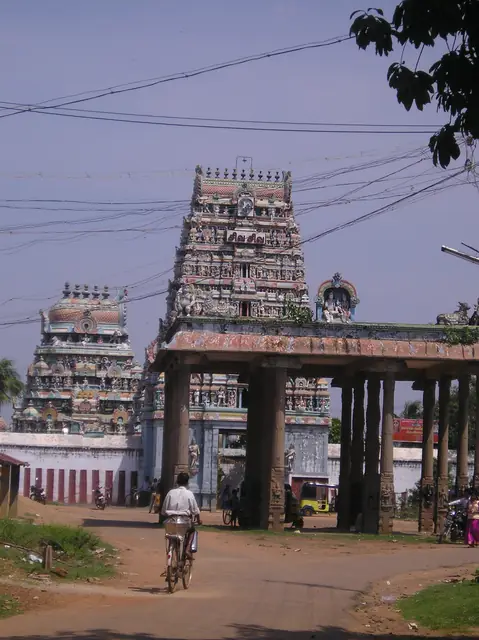
Nasir Jang was killed in December 1750 and Muzaffar Jang a few weeks later, leaving Bussy’s candidate Salabat Jang on the Hyderabad throne. In the south the tide turned the other way. Clive seized Arcot in 1751 and held it through a siege, then beat Chanda Sahib’s son at Arni and Kaveripakkam. In June 1752 the French force at Srirangam surrendered and Chanda Sahib was put to death by the Thanjavur general Manaji. Fighting around Trichinopoly dragged on until the companies made peace in 1754.
The war taught both companies that Indian princes could be made and unmade with a few hundred trained soldiers, the lesson Clive carried to Bengal five years later.