Cite
MLA
“Sannyasi–Fakir Rebellion.” Hindu History, 2026, https://www.hinduhistory.in/battles/sannyasi-fakir-rebellion-1763/. Accessed .
APA
Hindu History. (2026). Sannyasi–Fakir Rebellion. Retrieved , from https://www.hinduhistory.in/battles/sannyasi-fakir-rebellion-1763/
The bands won many skirmishes over three decades, but Company troops wore them down and the rising had faded out by about 1800.
01Pilgrims under arms
Bands of naga sannyasis travelled each year from the north to the tirthas of Bengal, taking alms and gifts from zamindars on the way, and many also lent money and traded. After Plassey and Buxar the Company squeezed the zamindars for revenue, called the wandering ascetics bandits and barred their movement. The famine of 1770 made everything worse. From the 1760s the sannyasis and fakirs struck back at Company posts, revenue offices and factories, Dhaka among them.
02Thirty years of raids
In 1773 a band in Rangpur killed Captain Thomas and routed his sepoys, and Warren Hastings had to send regiment after regiment north. Majnu Shah led the fakirs until his death in 1787; Bhawani Pathak and Debi Chaudhurani raided by river until Pathak was killed in a Company attack. The bands moved fast, knew the rivers and had the quiet help of villagers and some zamindars. Only slowly did the Company’s cordon of posts choke them.
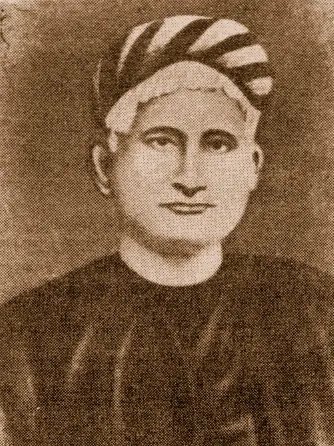
Bankim Chandra Chattopadhyay drew on this rising for Anandamath (1882), the novel that gave Bharat the song Vande Mataram, and for Debi Chaudhurani (1884).