Cite
MLA
“Maratha invasions of Bengal.” Hindu History, 2026, https://www.hinduhistory.in/battles/maratha-invasions-of-bengal-1741-1751/. Accessed .
APA
Hindu History. (2026). Maratha invasions of Bengal. Retrieved , from https://www.hinduhistory.in/battles/maratha-invasions-of-bengal-1741-1751/
By the treaty of 1751 Alivardi agreed to pay chauth for Bengal and gave up the revenues of Odisha; the raids ended.
01The bargi raids
The raids began in 1741–42 under Bhaskar Pandit and went on, with breaks, through the decade. They fell hardest on the villages west of the Bhagirathi. The poet Gangaram’s Maharashtra Purana, written in 1751, describes villagers fleeing across the river, and the bargis are still remembered in a Bengali lullaby that frightens children with their coming. Peshwa Balaji Bajirao, a rival of Raghuji, at one point marched into Bengal on Alivardi’s side and drove Raghuji out in 1743.
02Mankara and the peace of 1751
In March 1744 Alivardi invited Bhaskar Pandit and his officers to talks at Mankara, near Katwa, and had them murdered in the tent; Bhaskar Pandit and twenty-one officers died. Raghuji came himself the next year to avenge them, joined by Alivardi’s rebel Afghan general Mustafa Khan, and the war went on. In 1751, worn out, Alivardi agreed to pay twelve lakh rupees a year as chauth for Bengal and to leave Odisha’s revenues to the Marathas, who held it until 1803.
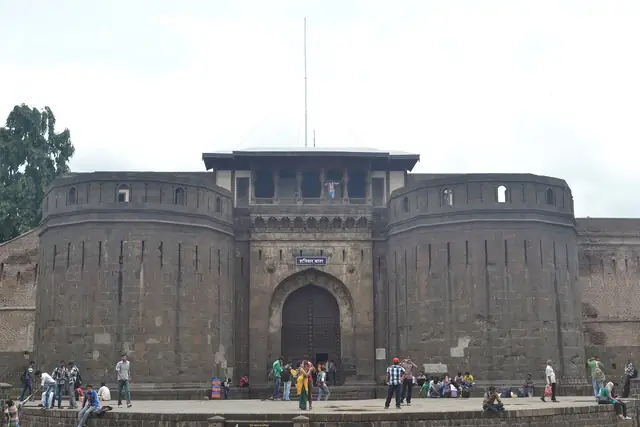
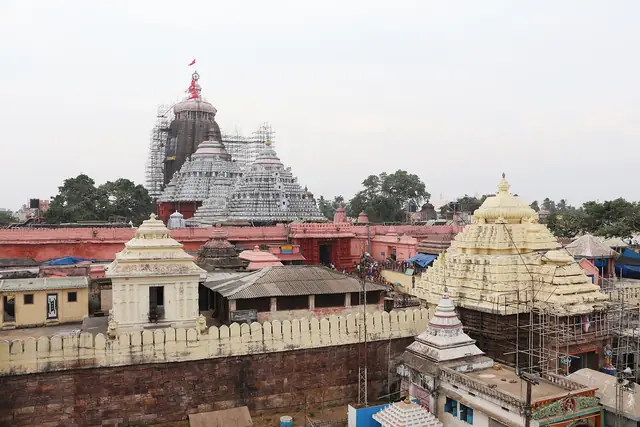
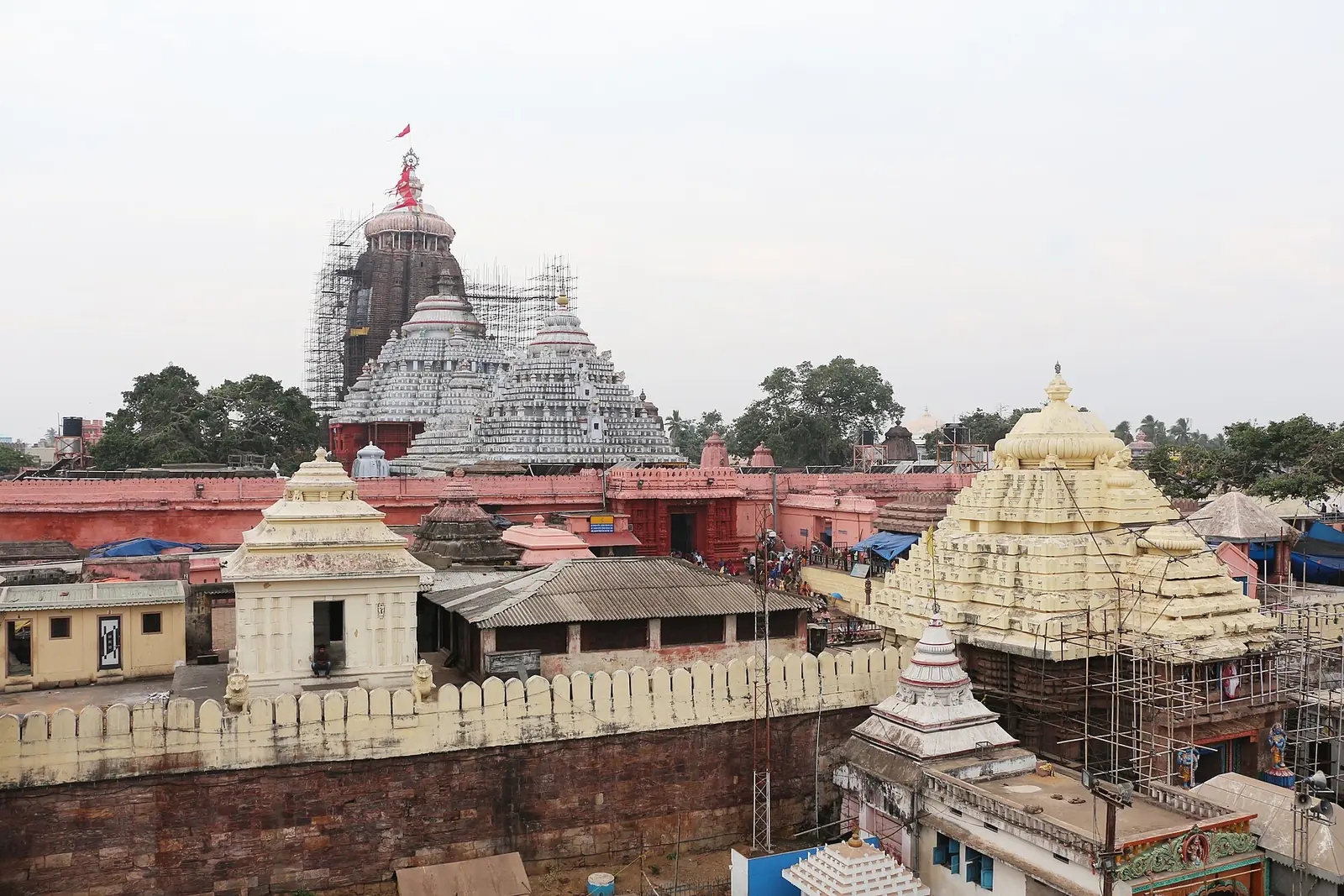
The raids drained Bengal on the eve of Plassey and gave Odisha, with Puri and the Jagannath temple, to Maratha rule for half a century.