Cite
MLA
“Garhwal repulse of the Mughals (Rani Karnavati).” Hindu History, 2026, https://www.hinduhistory.in/battles/garhwal-repulse-of-the-mughals-1640/. Accessed .
APA
Hindu History. (2026). Garhwal repulse of the Mughals (Rani Karnavati). Retrieved , from https://www.hinduhistory.in/battles/garhwal-repulse-of-the-mughals-1640/
The Mughal army was trapped in the hills and forced to retreat in disgrace; Garhwal stayed independent.
01The queen of Srinagar
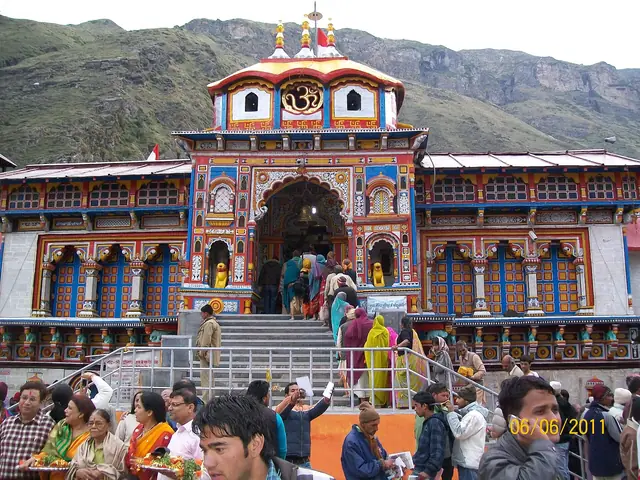
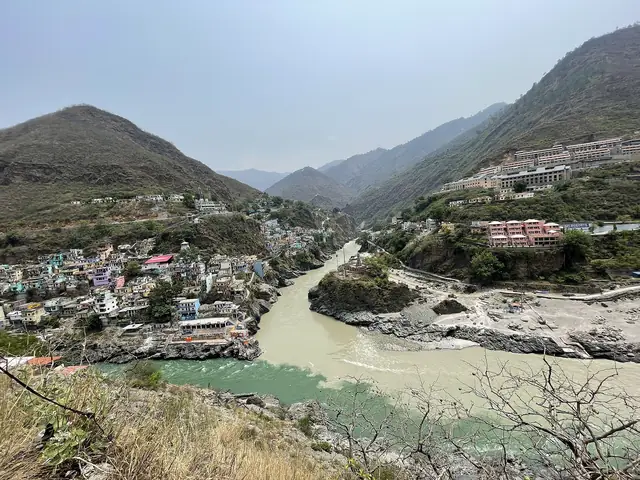
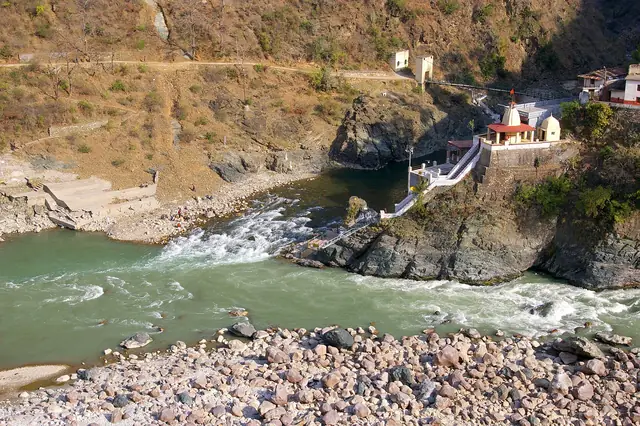
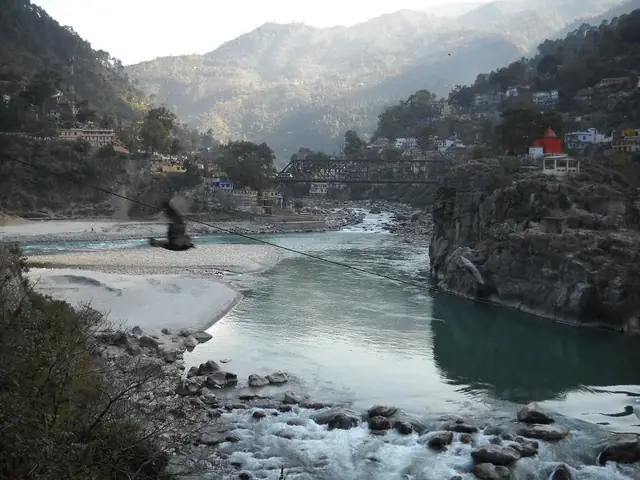
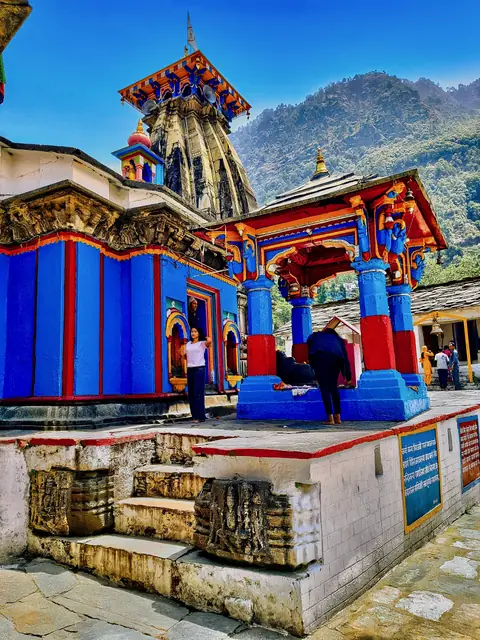
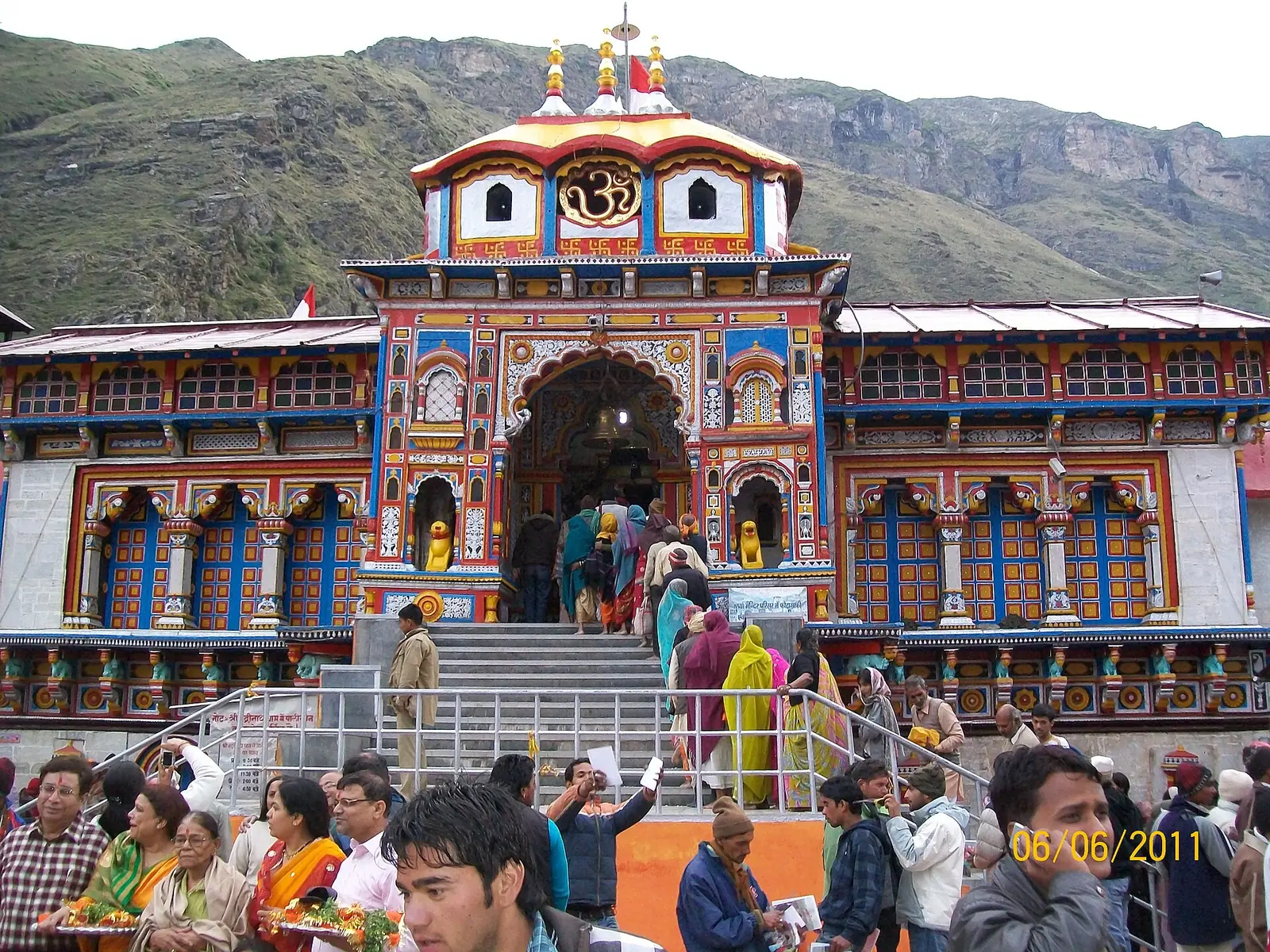
The Panwar kings of Garhwal ruled from Srinagar on the Alaknanda, the land of Badrinath and Kedarnath. When Raja Mahipat Shah died in the 1630s, his son Prithvipat Shah was a child, and his widow Rani Karnavati governed. Shah Jahan, hearing of the gold and the weak regency, sent Najabat Khan from the plains with an army. The year is given differently in different accounts, between about 1635 and 1640.
02Noses for the emperor
The Garhwalis let the Mughal army climb deep into the hills, then closed the passes behind it. Food ran out and the troops, unused to the mountains, sickened. The queen offered terms: the army could go, but each man would lose his nose. The Venetian Niccolao Manucci, who heard the story at the Mughal court, tells it, and Garhwal remembers her as Nak-kati Rani. Najabat Khan returned in disgrace. Garhwal kept its independence until the Gorkha conquest of 1804.
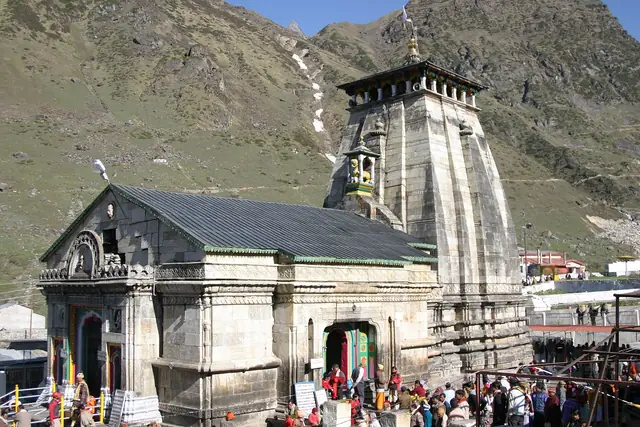
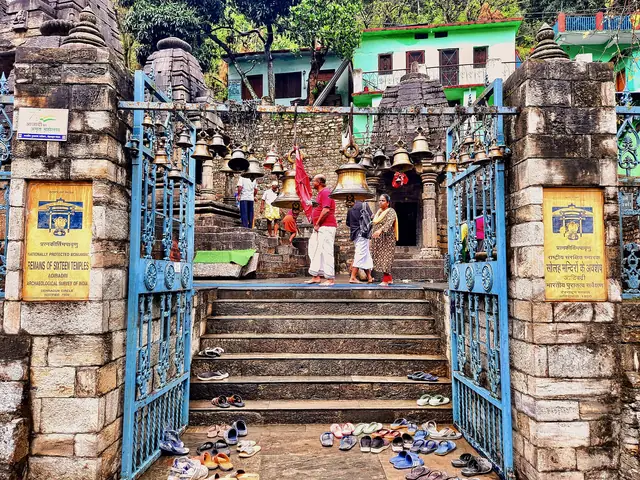
Rani Karnavati’s defence kept the Himalayan tirthas of Garhwal outside Mughal rule and is a proud memory of the hills.