Cite
MLA
“Battle of Samugarh.” Hindu History, 2026, https://www.hinduhistory.in/battles/battle-of-samugarh-1658/. Accessed .
APA
Hindu History. (2026). Battle of Samugarh. Retrieved , from https://www.hinduhistory.in/battles/battle-of-samugarh-1658/
Dara’s army broke when he left his elephant; Aurangzeb took Agra and confined Shah Jahan for the rest of his life.
01Dara’s last army
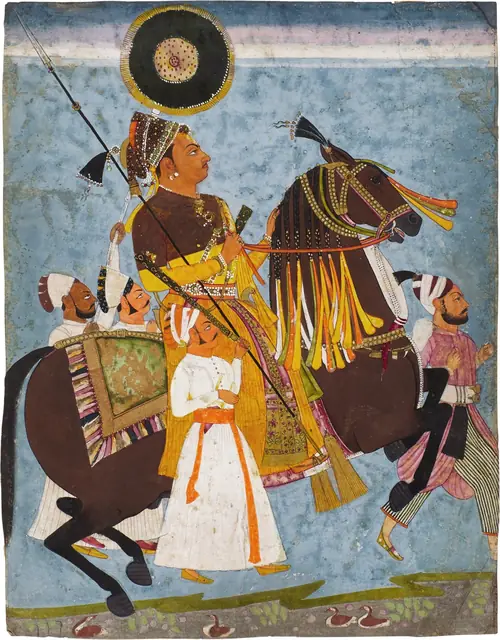
Dara Shikoh was the prince who had the Upanishads translated into Persian as the Sirr-i-Akbar in 1657 and wrote of the meeting of two oceans, the Hindu and the Sufi. Many Rajput chiefs rode with him. Among them were Rao Chhatrasal Hada of Bundi and Ram Singh Rathore. They met Aurangzeb and Murad at Samugarh, some miles east of Agra, on 29 May 1658.
02The empty howdah
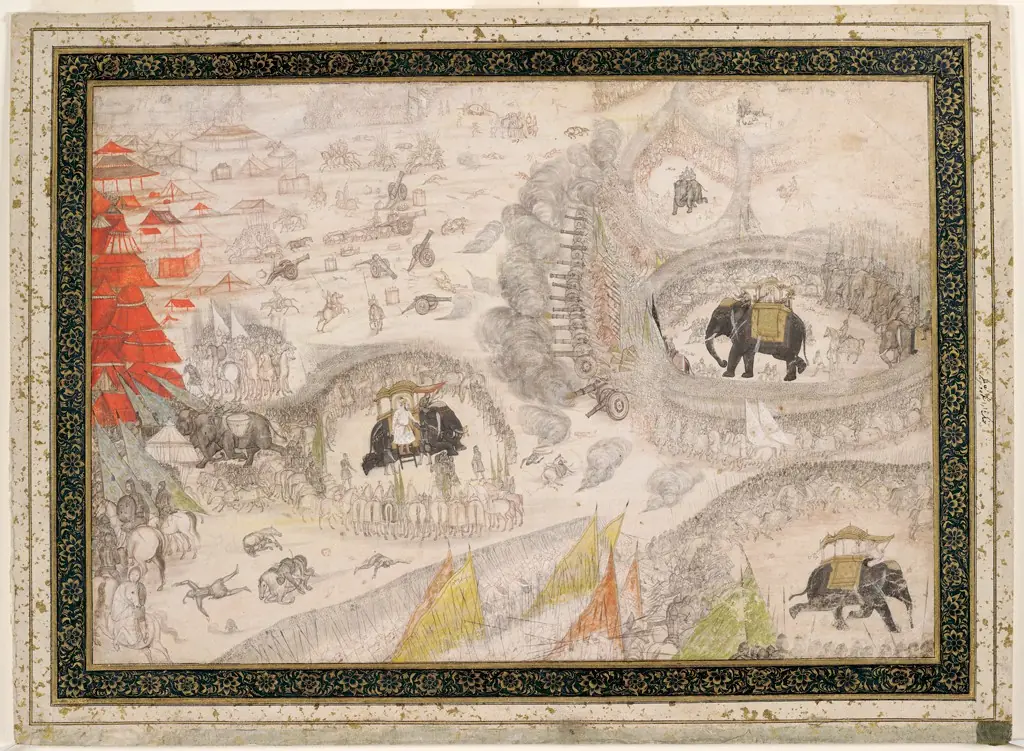
The fighting was hard. Chhatrasal Hada led the Rajput charge into Murad’s division and was killed with many of his kinsmen; Ram Singh Rathore fell near Murad’s elephant. Then Dara, under fire, got down from his war elephant to mount a horse. Bernier and Manucci, who both knew men who were there, tell what happened next: his troops saw the empty howdah, believed him killed, and the army dissolved. Dara fled towards Agra and then to the north-west.
03The new emperor
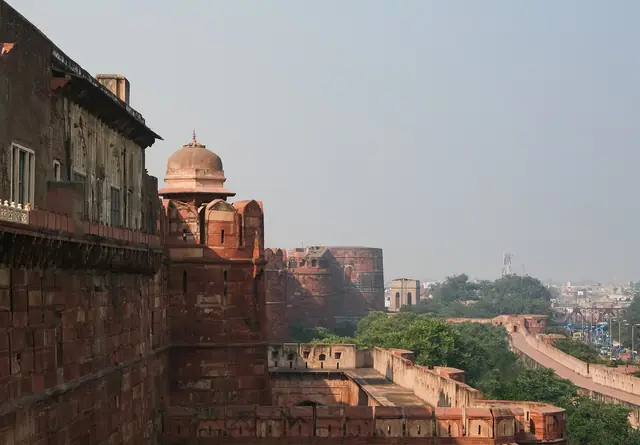
Within days Aurangzeb took Agra, cut off the fort’s water from the Yamuna, and forced Shah Jahan to surrender. The old emperor stayed a prisoner in Agra fort until his death in 1666. Murad was seized soon after and later executed. Dara was betrayed, paraded through Delhi and put to death in 1659 on a charge of apostasy. Aurangzeb ruled for forty-nine years.
Samugarh put Aurangzeb on the throne; his long reign brought the jizya back, the temple demolitions of 1669 and the wars with the Marathas, Rajputs and Sikhs.