Cite
MLA
“Battle of Lakheri.” Hindu History, 2026, https://www.hinduhistory.in/battles/battle-of-lakheri-1793/. Accessed .
APA
Hindu History. (2026). Battle of Lakheri. Retrieved , from https://www.hinduhistory.in/battles/battle-of-lakheri-1793/
De Boigne’s trained battalions broke Tukoji Holkar’s army in the pass at Lakheri and destroyed his European-trained infantry.
01Scindia against Holkar
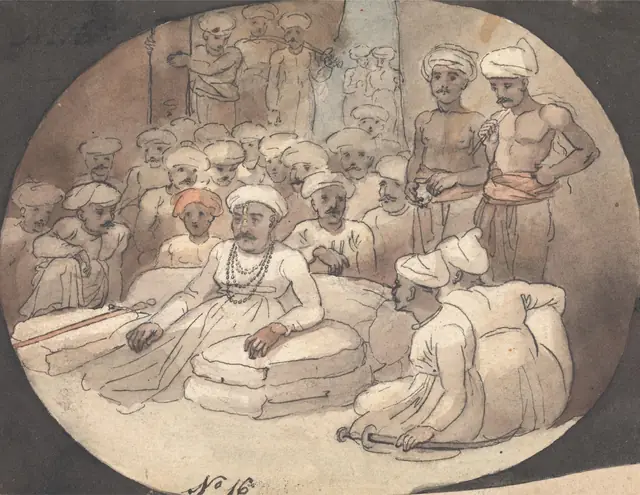
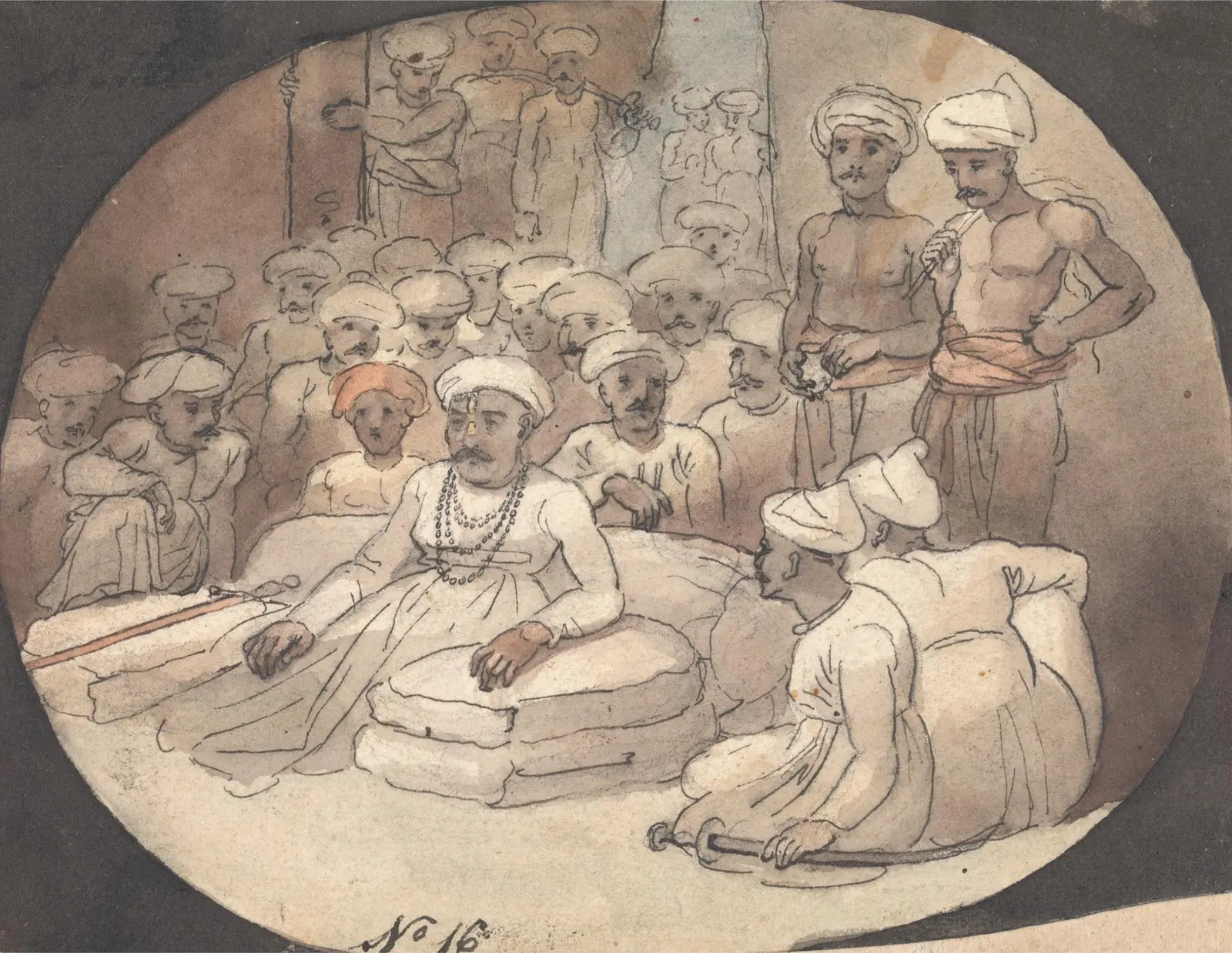
After 1788 Mahadji Scindia was master of Delhi and of the emperor Shah Alam, and his rivalry with Tukoji Holkar, who served the same Peshwa, turned into open war. Both had hired European officers to raise infantry on the Company’s pattern, Mahadji under Benoît de Boigne and Tukoji under the Chevalier Dudrenec. In October 1792 Scindia’s generals attacked Tukoji’s camp on the Banas. In the spring of 1793 Gopal Rao Bhau and Jiva Dada Bakshi pressed the Holkar army back into the hills of Bundi.
02The pass at Lakheri
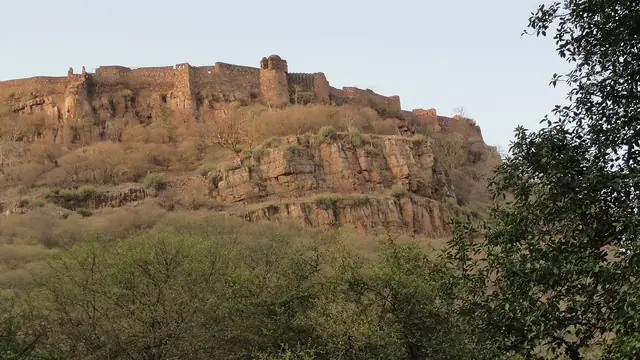
On 1 June 1793 Tukoji’s army, falling back through the pass at Lakheri, was caught by de Boigne’s brigades. Grant Duff tells how de Boigne’s battalions and guns fell on the Holkar horse as it came into the narrow ground. Dudrenec’s infantry stood and fought and was cut to pieces. The Holkar cavalry fled. Tukoji never recovered his strength, and Mahadji, who had gone to Pune, was the first power in Hindustan when he died there in February 1794.

It confirmed Scindia supremacy in the north, and the bitterness it left between the two houses weakened the Marathas against the Company ten years later.