Cite
MLA
“Battle of Alegaon.” Hindu History, 2026, https://www.hinduhistory.in/battles/battle-of-alegaon-1762/. Accessed .
APA
Hindu History. (2026). Battle of Alegaon. Retrieved , from https://www.hinduhistory.in/battles/battle-of-alegaon-1762/
Madhavrao was defeated and gave himself up to his uncle on 12 November 1762; Raghunathrao took control of the government.
01Uncle and nephew
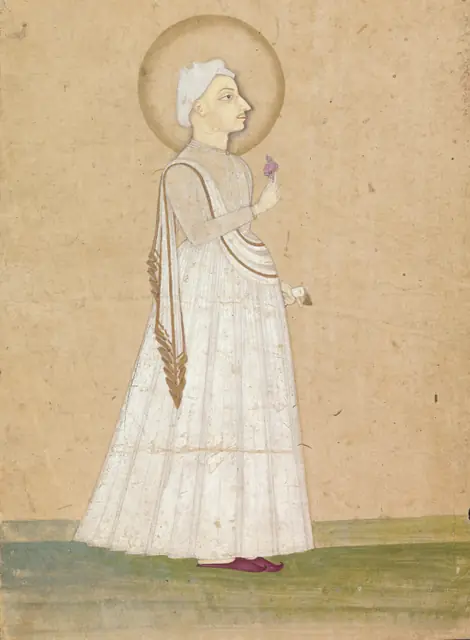
Madhavrao became Peshwa at sixteen in 1761, after his father died of grief at the news from Panipat. His uncle Raghunathrao acted as regent and resented the boy’s growing independence and his trust in ministers like Trimbakrao Pethe. In 1762 Raghunathrao left Poona, gathered his own following, and made an alliance with Nizam Ali of Hyderabad, the enemy the Marathas had beaten at Udgir only two years earlier, promising him the return of lands lost there.
02Surrender on the Bhima
Madhavrao marched against the combined armies and was outmatched. After fighting near Alegaon on the Bhima in November 1762 his army broke up, and on 12 November he rode alone into his uncle’s camp and surrendered, choosing to end a civil war rather than prolong it. Raghunathrao took charge of the state and rewarded the Nizam with territory. The young Peshwa bided his time, and within a year the Nizam’s greed turned the Marathas against him again.
Alegaon was the low point of Madhavrao’s reign. When the Nizam overreached, uncle and nephew joined to crush him at Rakshasbhuvan in 1763.