Cite
MLA
“Kumbh Mela.” Hindu History, 2026, https://www.hinduhistory.in/utsav/kumbh-mela/. Accessed .
APA
Hindu History. (2026). Kumbh Mela. Retrieved , from https://www.hinduhistory.in/utsav/kumbh-mela/
How it is kept
- 01
Amrit Snan: the akharas bathe first in procession on the great days
- 02
Kalpavas: a month of austere living on the riverbank at Prayag
- 03
Mauni Amavasya and Basant Panchami baths at the Sangam
- 04
Diksha of new sannyasis and naga sadhus into the akharas
- 05
Satsang, katha and annadaan in the camps
01Four drops of amrit
When the ocean of milk was churned and Dhanvantari rose with the pot of amrit, the devas and asuras fought for it, and for twelve divine days, twelve human years, the kumbha was carried across the sky. Where it was set down, or where drops spilled, the four Kumbh tirthas stand: Prayag, Haridwar, Ujjain and Nashik. The mela at each falls when Brihaspati and Surya reach set rashis: at Prayag with Jupiter in Vrishabha and the Sun in Makara, at Haridwar with Jupiter in Kumbha, at Nashik and Ujjain with Jupiter in Simha, the Simhastha.
02From Harsha to 2025
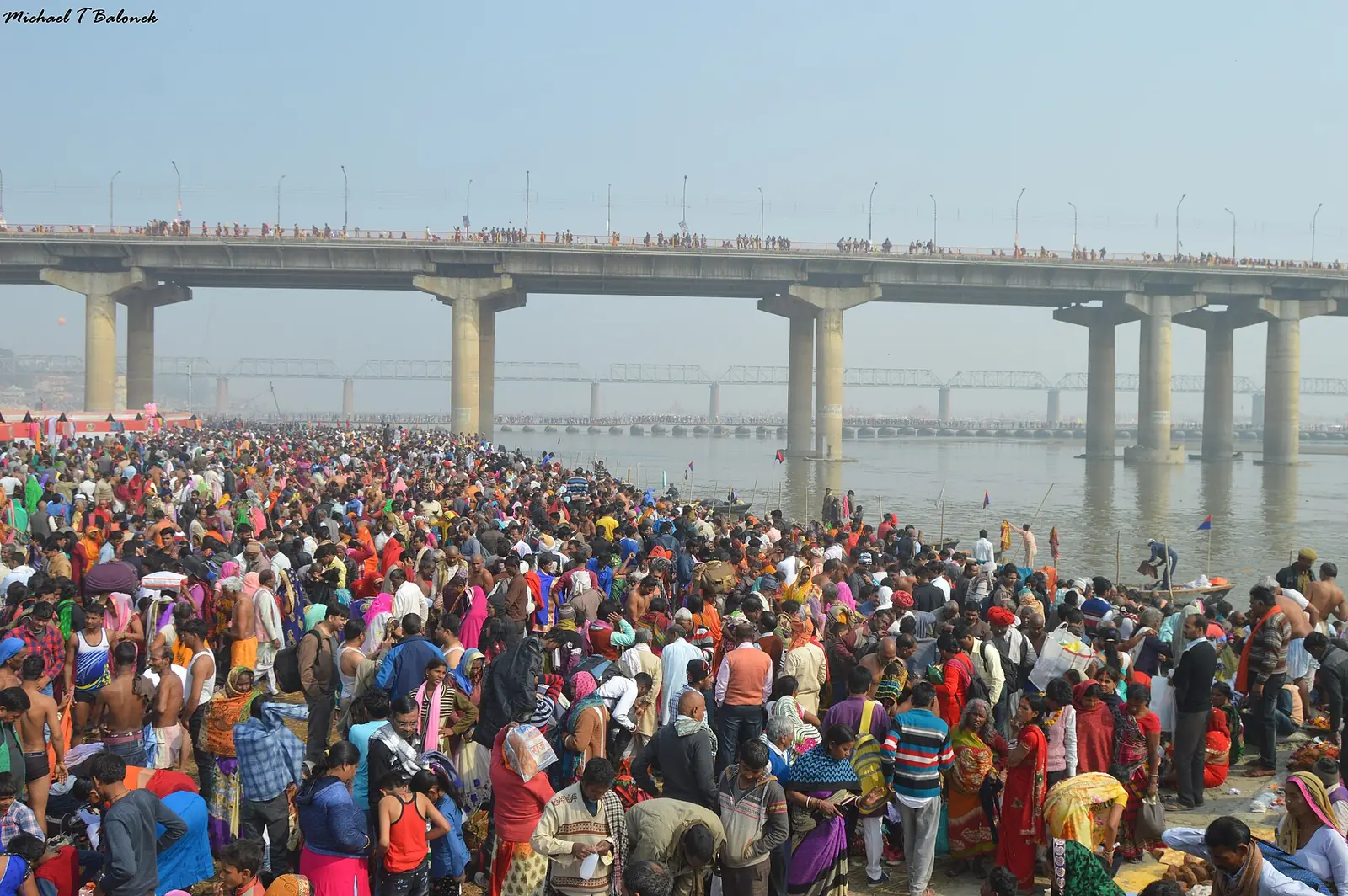
Xuanzang, the Chinese pilgrim, saw King Harsha at the confluence at Prayag in the 640s, giving away his treasury to monks, brahmanas and the poor in a great assembly held every five years, and wrote of the multitudes who bathed there. The akharas of the Dashanami sannyasis and the Vaishnava bairagis took up the procession order of the bathing days, the Shahi Snan, now called Amrit Snan. UNESCO listed the Kumbh Mela in 2017. At the Maha Kumbh of Prayagraj in January and February 2025, the Uttar Pradesh government counted more than 66 crore pilgrim visits over forty-five days.
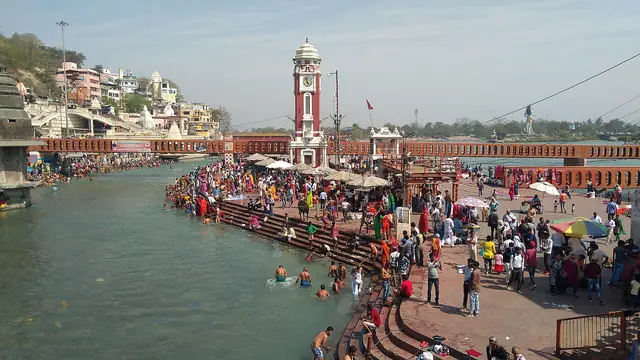
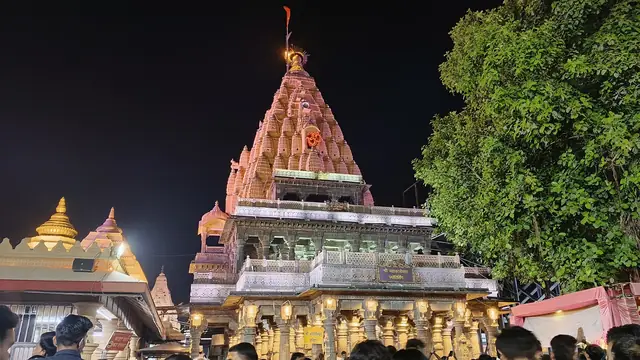
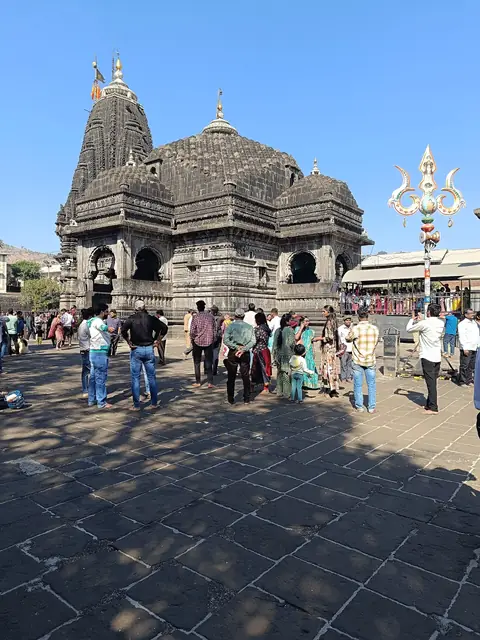
Prayagraj (Ganga–Yamuna–Sarasvati), Haridwar (Ganga), Nashik and Trimbakeshwar (Godavari), Ujjain (Kshipra); pilgrims from all of Bharat and the world