Cite
MLA
“Siege of Multan (1848–49).” Hindu History, 2026, https://www.hinduhistory.in/battles/siege-of-multan-1848/. Accessed .
APA
Hindu History. (2026). Siege of Multan (1848–49). Retrieved , from https://www.hinduhistory.in/battles/siege-of-multan-1848/
After a magazine explosion and the storming of the city, Mulraj surrendered the citadel on 22 January 1849.
01How it began
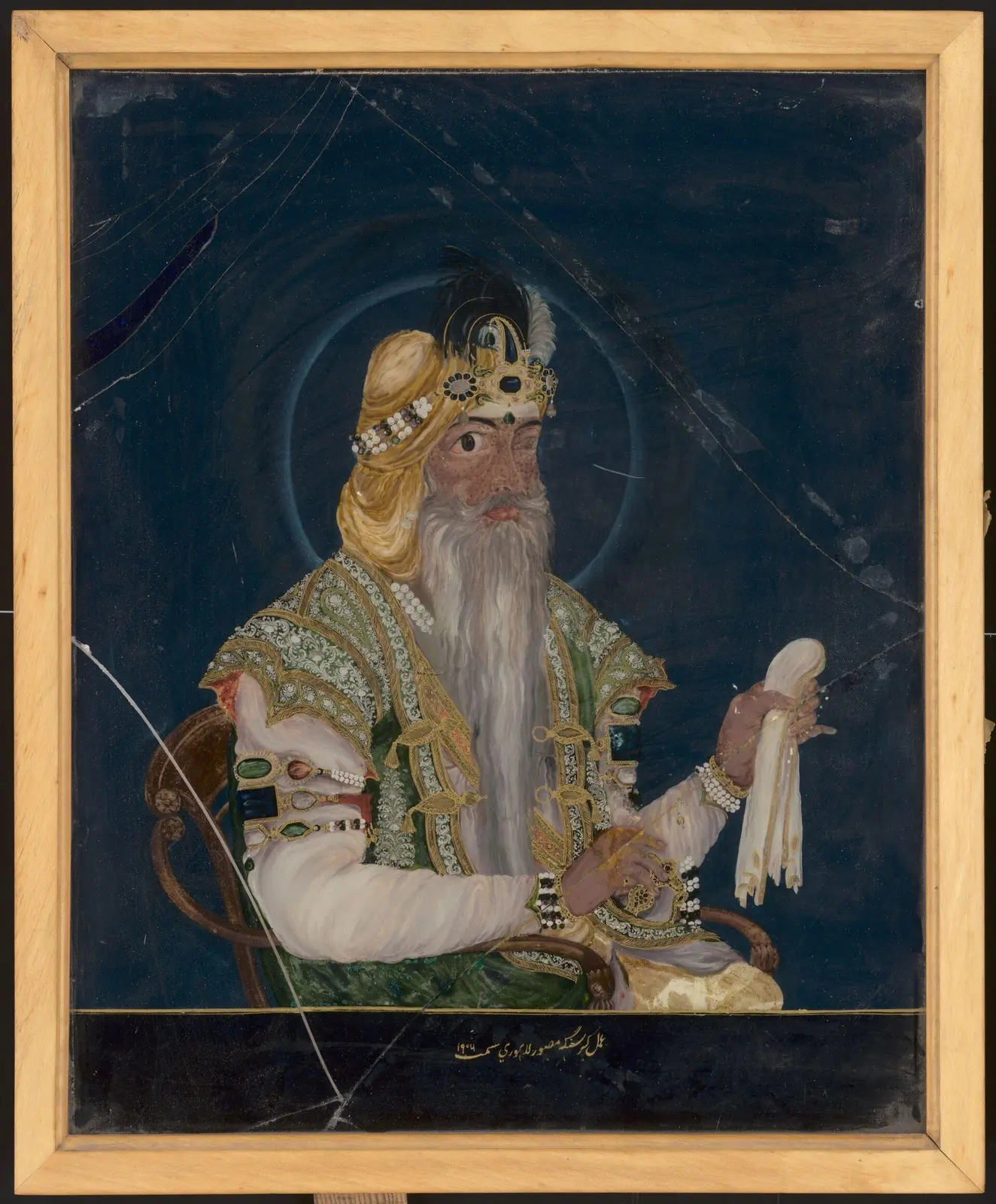
Mulraj had governed Multan for the Lahore Durbar since his father Sawan Mal’s death. Under the British-run regency after 1846 he was pressed for higher revenue and offered his resignation. Two officers, Vans Agnew and Anderson, came to take over the fort with a new governor. On 20 April 1848 they were attacked by Mulraj’s soldiers, and both were killed. Mulraj, whether he had ordered it or not, now had no way back and closed the city.
02Nine months under fire
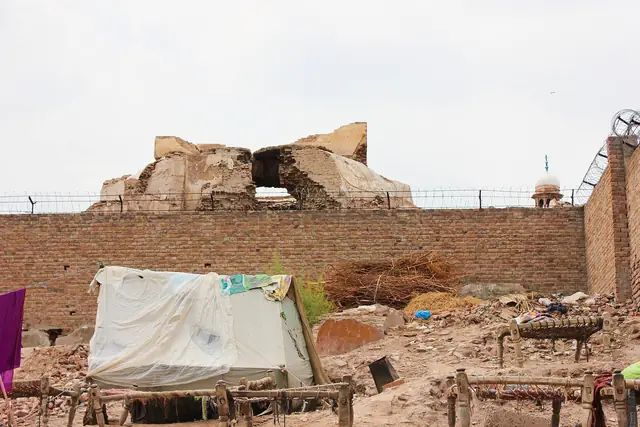
Herbert Edwardes raised Pathan levies and, with the Bahawalpur army, beat Mulraj in the field at Kineyri and Saddusam in the summer and shut him in Multan. Whish arrived with a siege train in August, but in September Sher Singh Attariwala’s Sikh contingent went over to Mulraj and the siege was lifted. It was renewed in December with a larger force. On 30 December a shell blew up the great magazine in the citadel; the city was stormed on 2 January, and Mulraj surrendered three weeks later.
Multan lit the Second Anglo-Sikh War, which ended with the annexation of the Punjab in March 1849.