Cite
MLA
“Jayasimha II and the confederacy of Bhoja, Rajendra and Gangeya.” Hindu History, 2026, https://www.hinduhistory.in/battles/jayasimha-ii-repulses-confederacy/. Accessed .
APA
Hindu History. (2026). Jayasimha II and the confederacy of Bhoja, Rajendra and Gangeya. Retrieved , from https://www.hinduhistory.in/battles/jayasimha-ii-repulses-confederacy/
Both sides claim success: a Chalukya record of 1019 says Jayasimha routed the confederacy, while Paramara records claim Bhoja beat the Karnatas.
01The Chalukya claim
An inscription of Jayasimha II dated 1019, from Belgaum district, gives him the title of the moon to the lotus that was Bhoja, meaning he outshone him, and says he searched out and beat the confederacy of Malava, broke the Chola and the Chera. It presents the Chalukya king as having beaten off an alliance of the Paramara Bhoja, the Chola Rajendra and, as other records suggest, the Kalachuri Gangeyadeva, which had attacked from north and south together.
02The other side
Paramara inscriptions, for their part, credit Bhoja with victory over the Karnata king, and the Kalvan plates suggest Bhoja’s power reached into the northern Konkan in these years. Rajendra Chola’s records claim the conquest of Rattapadi and a victory over Jayasimha at Maski in 1021. Historians read the evidence as a hard war on several fronts in which the Chalukyas lost ground in the north to Bhoja but held their core, and no side gained a decisive victory.
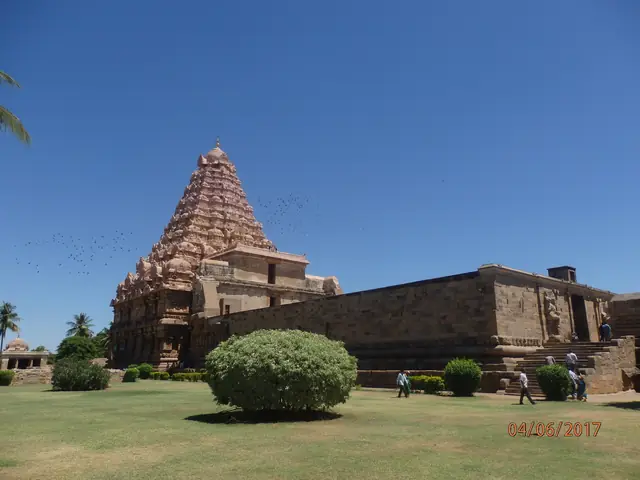
It shows the Deccan caught between the Paramaras, Cholas and Kalachuris at the peak of all three.