Cite
MLA
“Fall of Suvarnadurg.” Hindu History, 2026, https://www.hinduhistory.in/battles/fall-of-suvarnadurg-1755/. Accessed .
APA
Hindu History. (2026). Fall of Suvarnadurg. Retrieved , from https://www.hinduhistory.in/battles/fall-of-suvarnadurg-1755/
Commodore James’s ships battered the island fort into surrender and it was handed over to the Peshwa.
01The Peshwa and the Angres
Tulaji Angre, son of the great Kanhoji, commanded the Maratha fleet from Vijaydurg and Suvarnadurg and taxed every ship on the Konkan coast. He answered to the Chhatrapati at Satara rather than to Pune and refused the Peshwa’s orders. Balaji Bajirao made an agreement with the Bombay council in 1755 to break him: the English fleet would attack from the sea while the Peshwa’s army closed from the land.
02The guns of the Protector
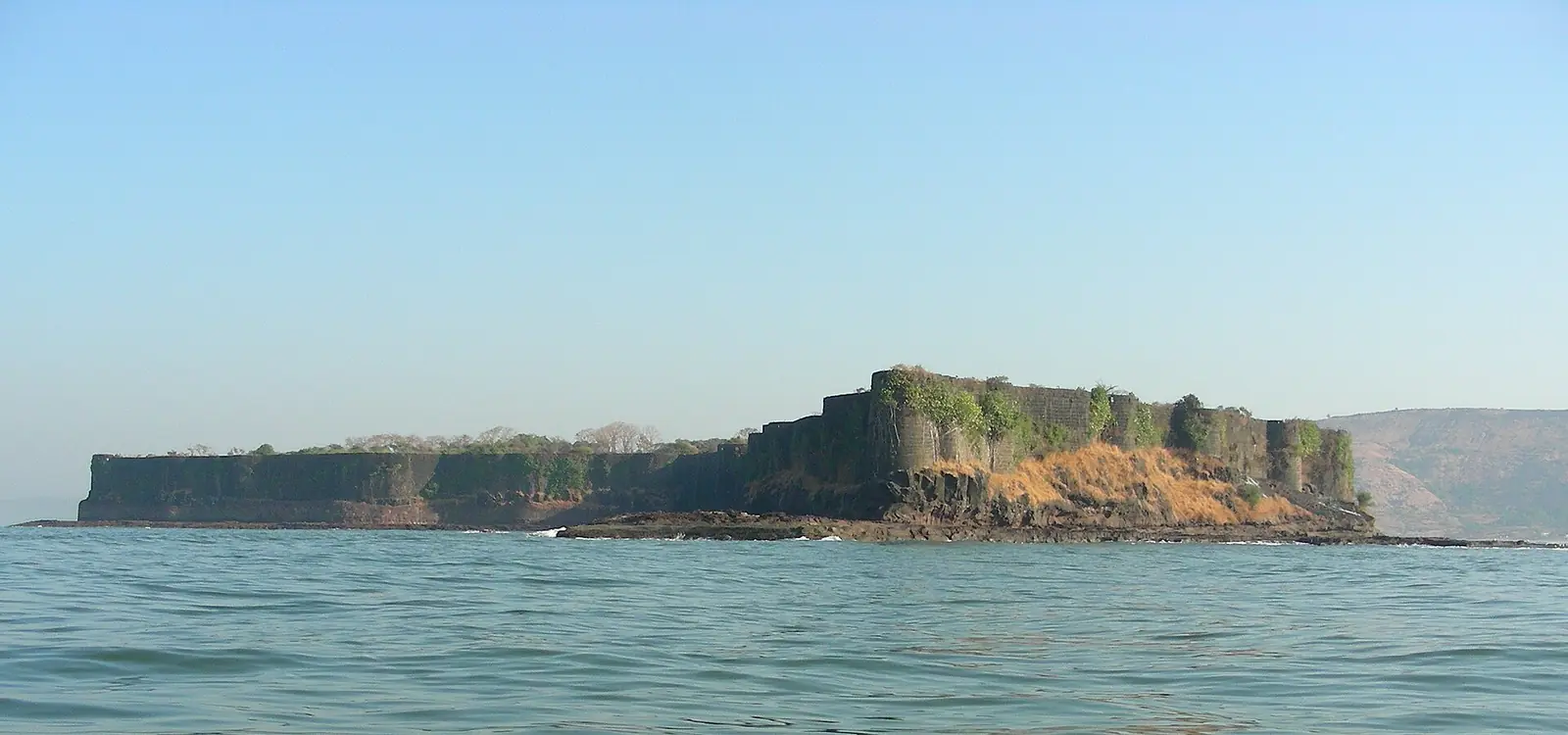
Suvarnadurg, built on a rock island near Harnai, was one of the strongest Maratha sea forts. In early April 1755 Commodore William James brought his ship Protector close in under the walls and bombarded it while the Peshwa’s troops took the shore forts. Fires broke out inside, the garrison lost heart, and the fort surrendered. James handed it to the Peshwa. The next February a larger English fleet under Watson and Clive took Vijaydurg, and Tulaji was imprisoned for life.
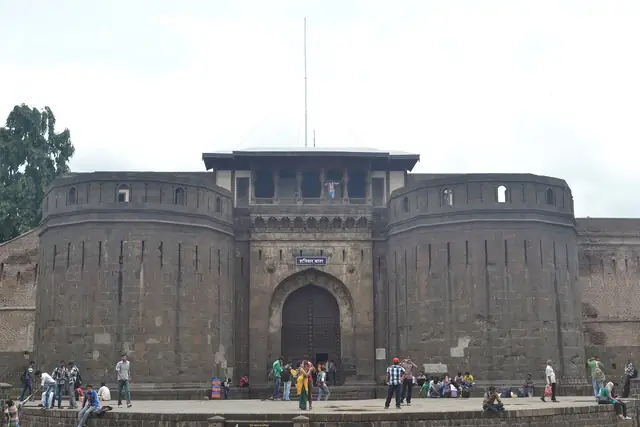
By turning on the Angres the Peshwa destroyed the Maratha navy that had kept the Europeans in check on the western coast for half a century.