Cite
MLA
“Battle of Kora.” Hindu History, 2026, https://www.hinduhistory.in/battles/battle-of-kora-1765/. Accessed .
APA
Hindu History. (2026). Battle of Kora. Retrieved , from https://www.hinduhistory.in/battles/battle-of-kora-1765/
Holkar’s horse could not break the Company’s squares and withdrew across the Yamuna; Shuja-ud-Daula gave himself up to the Company soon after.
01Shuja turns to the Marathas
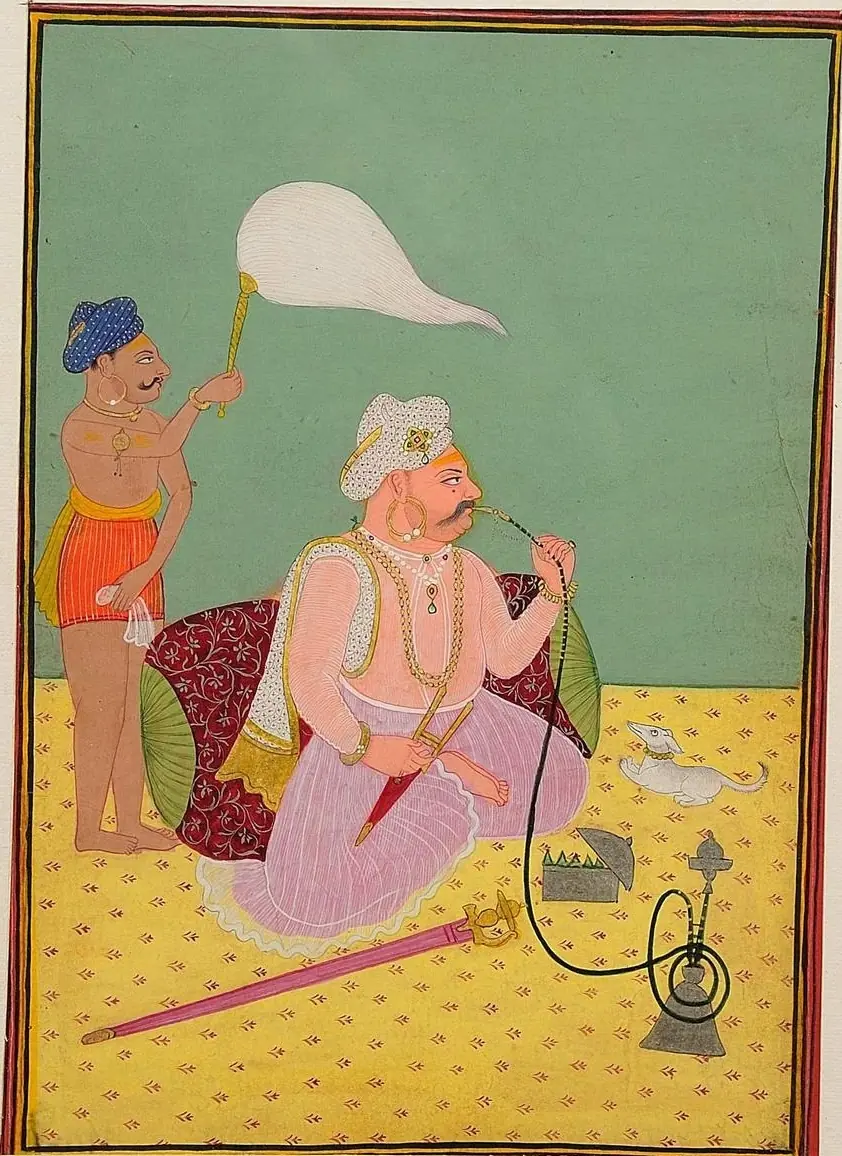
Shuja-ud-Daula had lost at Buxar in October 1764, and the Company’s troops had overrun Awadh, taking Allahabad and Lucknow. He fled to Rohilkhand and then sought Maratha help. Malhar Rao Holkar, the old campaigner of Panipat, came across the Yamuna into the Doab in the spring of 1765. Brigadier Carnac marched to meet him with Company infantry and guns.
02Horse against infantry
On 3 May 1765 the armies met near Kora, between Kanpur and Allahabad. The Maratha horse circled and charged the Company’s lines, but the sepoys held their formation and the guns kept them at a distance. Holkar broke off and fell back across the Yamuna to Kalpi. Shuja, with nowhere left to go, surrendered to the Company, and in August Clive’s Treaty of Allahabad gave him back Awadh as a Company ally.
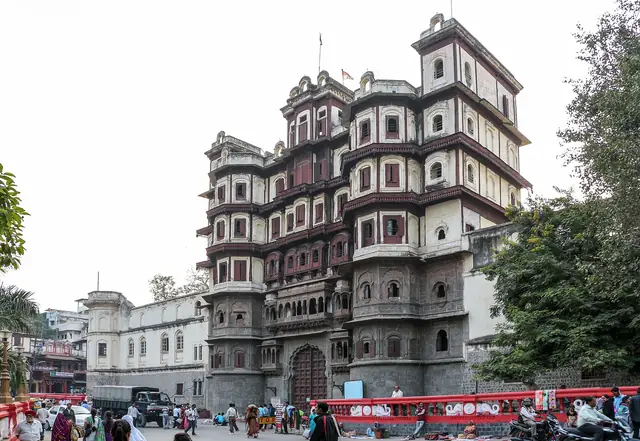
Kora closed the Buxar war and left Awadh a Company ally; it was also one of the last fields of Malhar Rao Holkar, who died the next year.