Cite
MLA
“Vaisakhi (Baisakhi).” Hindu History, 2026, https://www.hinduhistory.in/utsav/vaisakhi/. Accessed .
APA
Hindu History. (2026). Vaisakhi (Baisakhi). Retrieved , from https://www.hinduhistory.in/utsav/vaisakhi/
How it is kept
- 01
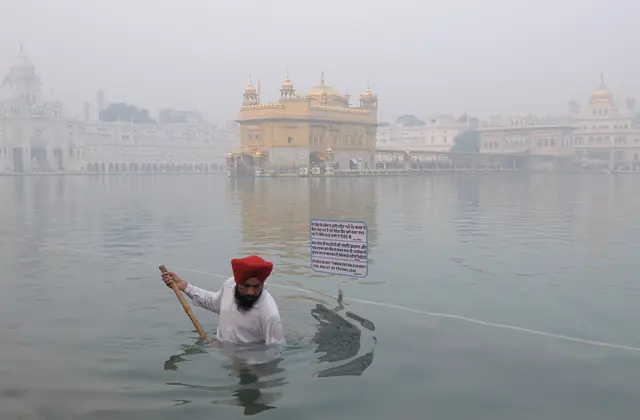
A dawn bath in a river or sacred tank
- 02
Thanksgiving for the wheat harvest and the start of reaping
- 03
Village fairs with bhangra and gidda
- 04
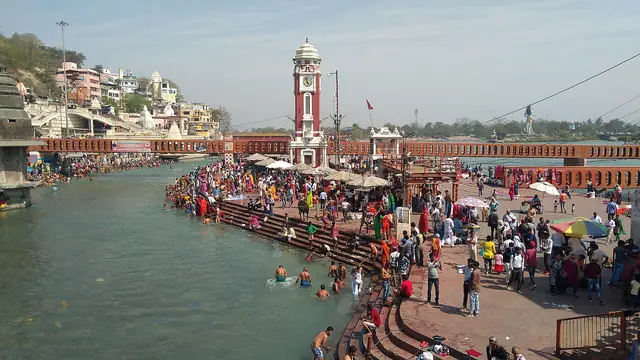
Bathing at Har ki Pauri, Haridwar
01The solar new year
When Surya enters Mesha, the first rashi, the solar year begins, and much of Bharat keeps it on the same day under its own name: Vishu in Kerala, Puthandu in Tamil Nadu, Bohag Bihu in Assam, Pohela Boishakh in Bengal, Maha Vishuva or Pana Sankranti in Odisha, Jur Sital in Mithila. In Punjab it is Vaisakhi. At Haridwar the Ganga at Har ki Pauri is crowded with bathers, and in the hills of Himachal and Uttarakhand village devtas come out for fairs.
021699 and 1919
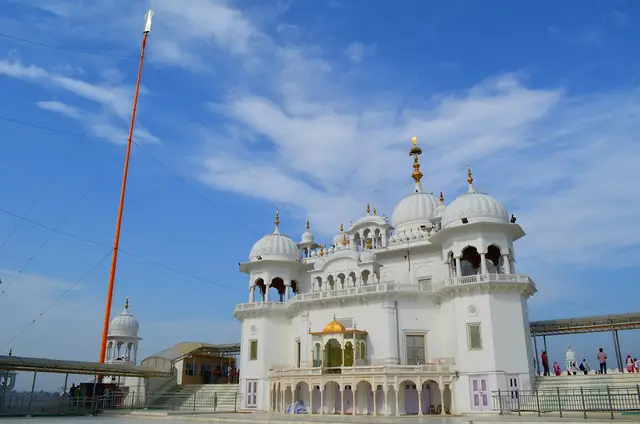
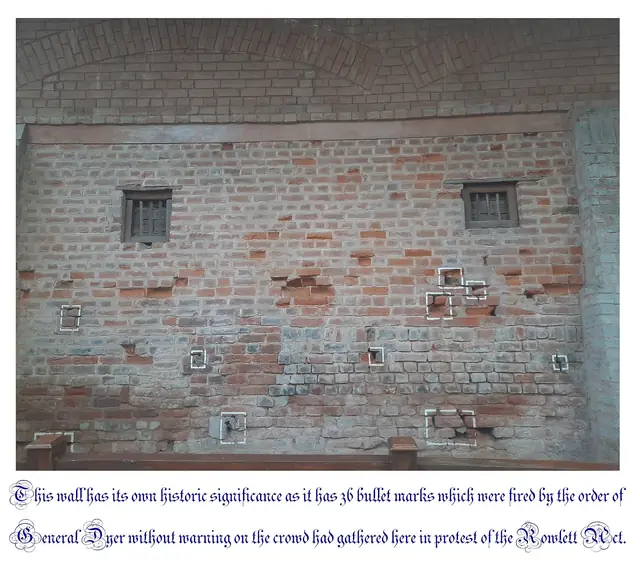
Two events of history are tied to this day. On Vaisakhi of 1699, at Anandpur, Guru Gobind Singh, the tenth Sikh Guru, created the Khalsa, and for Sikhs it is the great day of the year. On Vaisakhi of 1919, 13 April, crowds who had gathered in the Jallianwala Bagh at Amritsar, many of them in from the villages for the festival, were fired on by troops under Brigadier-General Reginald Dyer, and hundreds were killed. The memorial in the garden still shows the bullet marks.
Punjab, Haryana, Himachal, Jammu, Uttarakhand; the same day is the solar new year as Vishu, Puthandu, Pohela Boishakh, Pana Sankranti and Bihu