01Udayagiri and the end of the Shakas
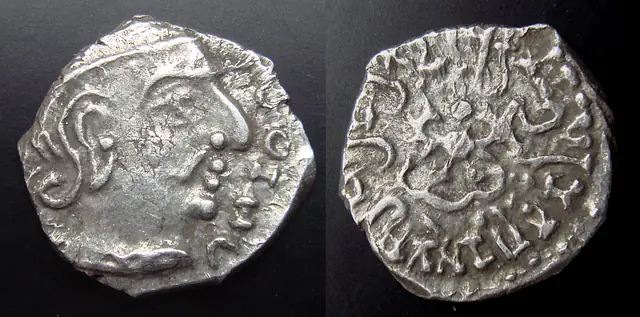
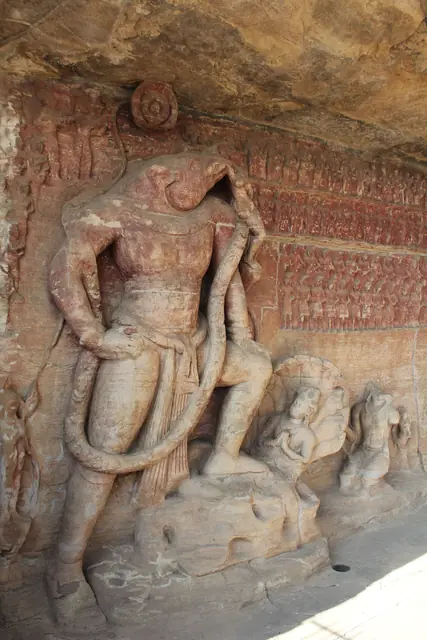
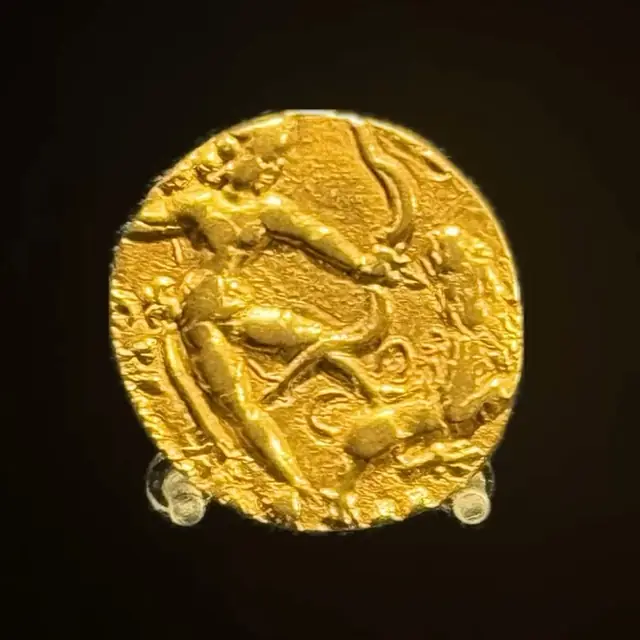
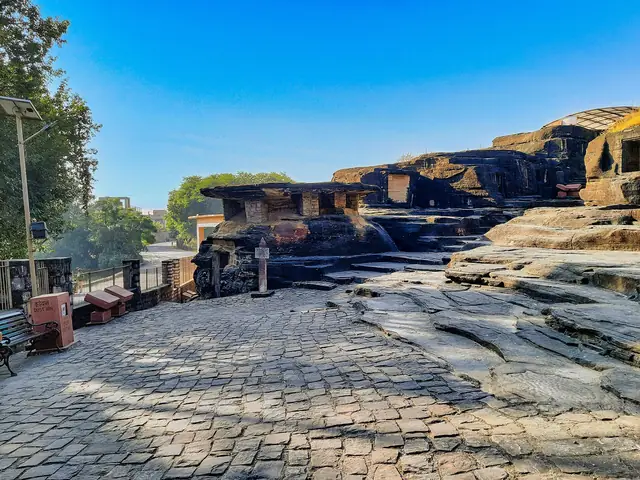
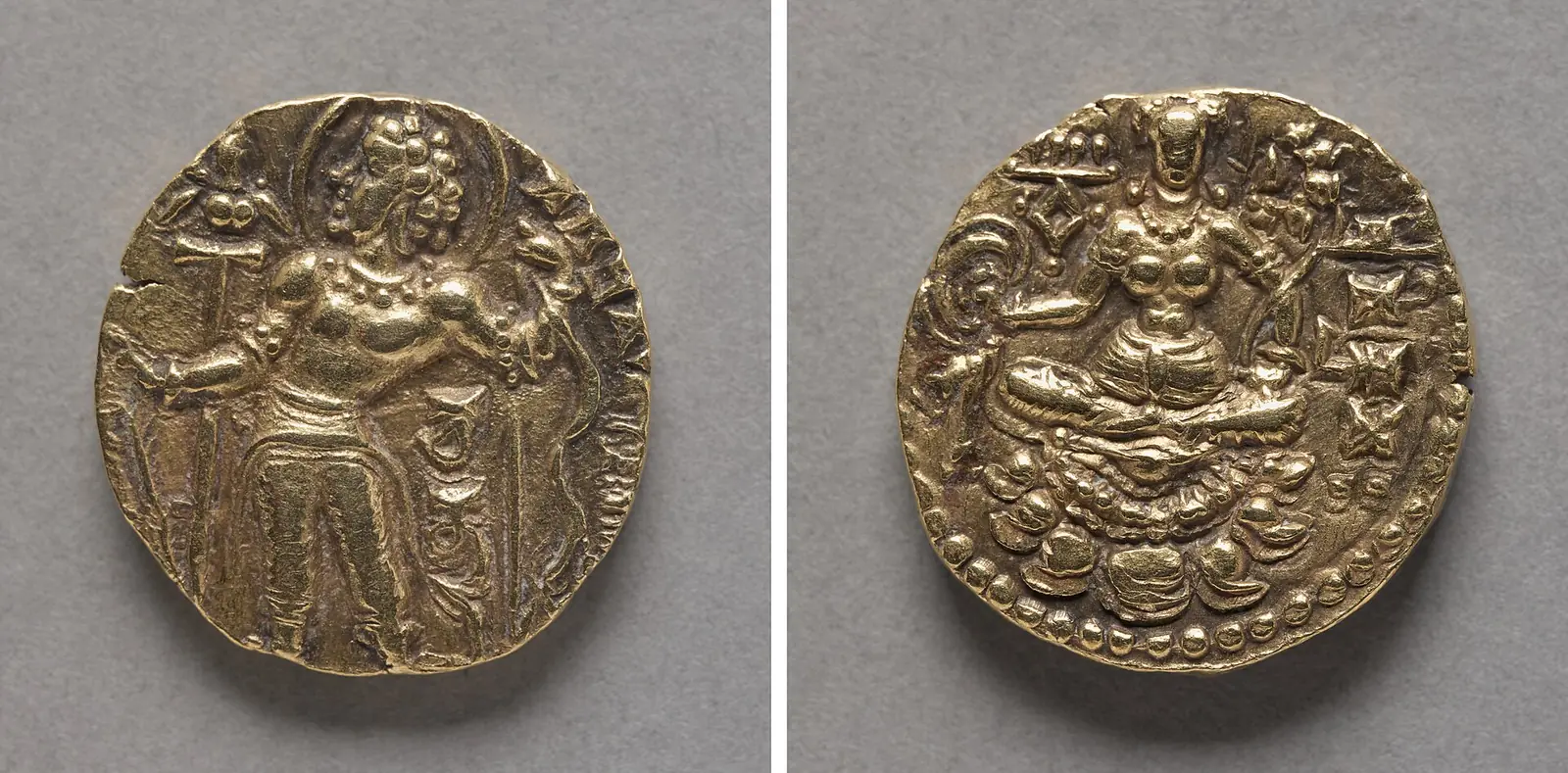
In 401 CE, Gupta year 82, a feudatory cut a dedication in a cave at Udayagiri near Vidisha, and next to it stands the great panel of Bhagwan Varaha lifting Bhudevi from the waters. Another inscription there was left by his minister Virasena, who came with the king intent on conquering the whole earth. The campaign ended Western Kshatrapa rule: their silver coins stop with Rudrasimha III, and Chandragupta’s own silver coins copy their pattern for the newly won west, with Garuda in place of the Shaka symbols.
02Marriages and the iron pillar
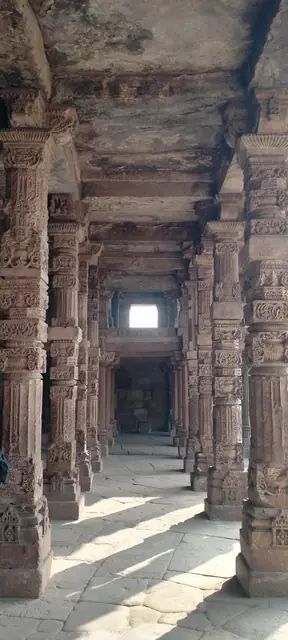
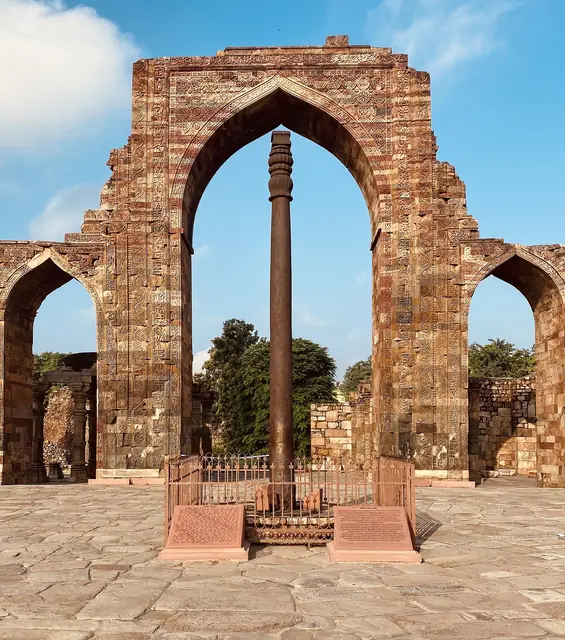
He married Kuberanaga of the Naga house, and gave their daughter Prabhavatigupta to the Vakataka king Rudrasena II. When Rudrasena died young, Prabhavatigupta ruled the Vakataka kingdom as regent, so the Deccan was in Gupta hands in all but name. The iron pillar now in the Qutb complex at Mehrauli bears a Sanskrit verse to a king called Chandra who raised it as a standard of Vishnu on the hill Vishnupada; most scholars identify him with Chandragupta II, and the pillar has not rusted in sixteen centuries.
03Faxian’s Madhyadesha
The Chinese monk Faxian travelled in India in the first years of the 5th century. He describes Madhyadesha as a land where people did not register their households, paid rent only on royal land, and were fined rather than flogged for most crimes; at Pataliputra he saw a charitable hospital for the poor. He never names the king. Later tradition placed nine jewels, Kalidasa among them, at the court of a Vikramaditya; that is tradition, and the identification is not settled.