Cite
MLA
“Genocide in East Pakistan, 1971.” Hindu History, 2026, https://www.hinduhistory.in/ghatana/east-pakistan-genocide-1971/. Accessed .
APA
Hindu History. (2026). Genocide in East Pakistan, 1971. Retrieved , from https://www.hinduhistory.in/ghatana/east-pakistan-genocide-1971/
01Operation Searchlight
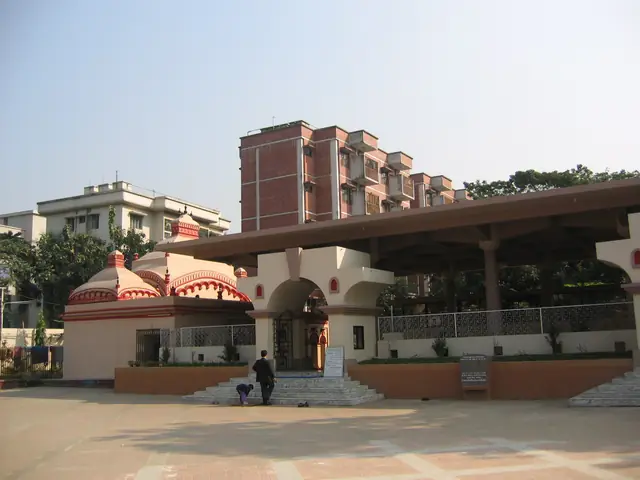
Sheikh Mujibur Rahman’s Awami League won an outright majority in Pakistan’s 1970 election, but the military government of General Yahya Khan would not let it take power. On the night of 25 March 1971 troops attacked Dhaka University, the police lines and the old city. Jagannath Hall, the Hindu students’ hostel, was among the first targets. Within days the army destroyed the Ramna Kali Mandir in Dhaka and killed those living in its grounds.
02Hindus singled out
On 28 March the American consul general in Dhaka, Archer Blood, headed a cable to Washington ‘Selective Genocide’, and in early April his staff reported the army’s selection of Hindus for killing. Senator Edward Kennedy, after visiting the refugee camps, reported in November 1971 that the Hindu community had been hardest hit: robbed of land and shops, systematically slaughtered, and in some places marked with yellow patches lettered ‘H’. Local militias, the Razakars and Al-Badr, joined the killing, and on 14 December, two days before the surrender, they murdered Bengali intellectuals in Dhaka.
03The toll
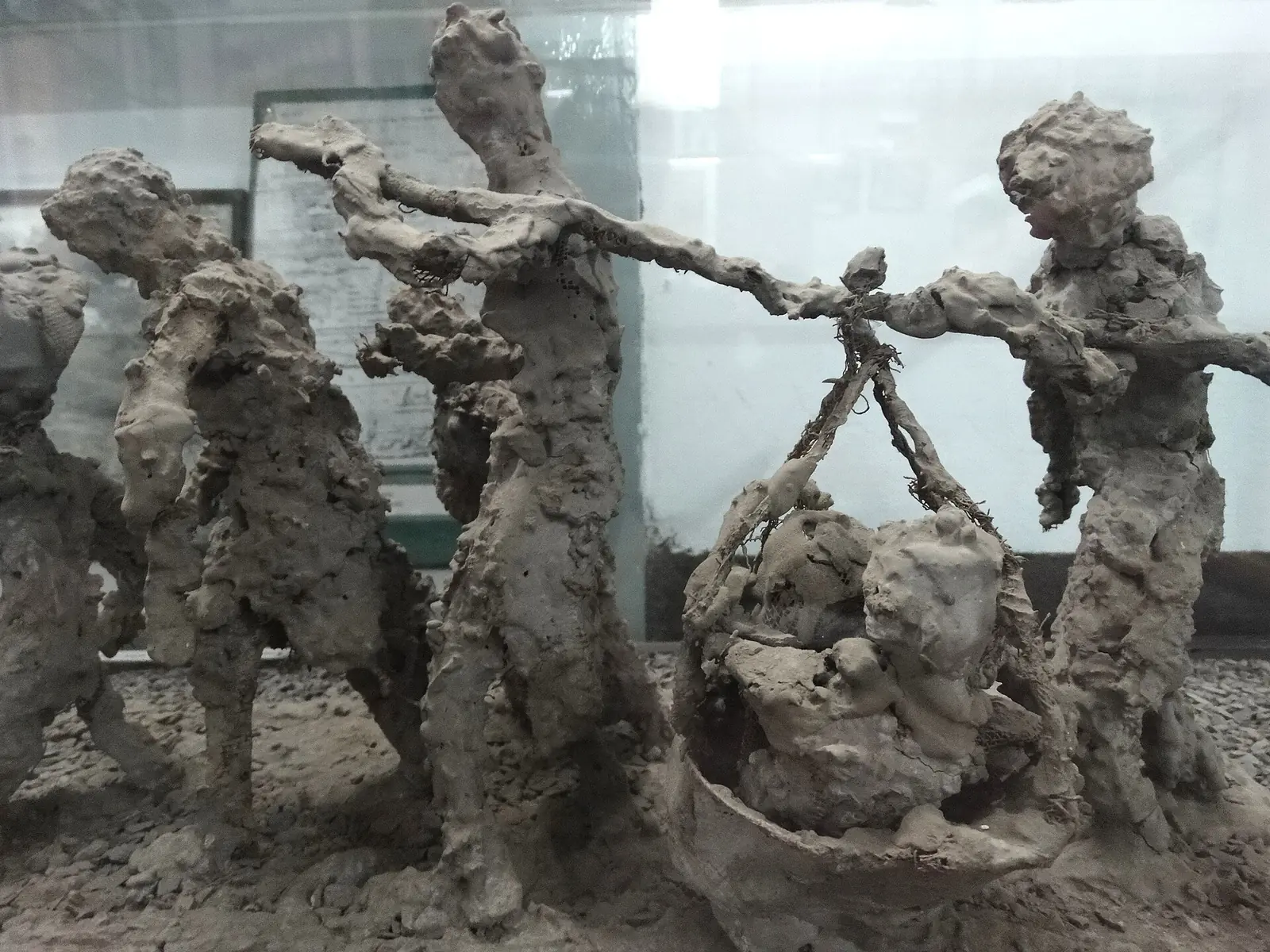
The number of dead is disputed. Pakistan’s own Hamoodur Rahman Commission accepted an army figure of about 26,000 killed; Bangladesh’s official figure is 30 lakh; independent scholars give estimates in between, mostly in the lakhs. The refugee count is firmer: by the end of 1971 India was sheltering about one crore people in camps in West Bengal, Tripura, Assam and Meghalaya.
04The end
The burden of the refugees and the killings across the border brought India into the war in December 1971. On 16 December the Pakistan army in the east surrendered at Dhaka, and Bangladesh was free. The Ramna Kali Mandir has since been partly rebuilt. About 93,000 Pakistani soldiers and officials became prisoners of war, and most refugees went home in the first months of 1972. The war itself is told on its own page.