Cite
MLA
“Vamana Avatar.” Hindu History, 2026, https://www.hinduhistory.in/devata/vamana/. Accessed .
APA
Hindu History. (2026). Vamana Avatar. Retrieved , from https://www.hinduhistory.in/devata/vamana/
A short brahmachari boy with a parasol, a kamandalu and the sacred thread; or, as Trivikrama, a towering eight-armed figure with one leg raised high to the heavens and Bali kneeling below.
01Three steps
The Rigveda already sings of Vishnu’s three strides (1.154). The Bhagavata Purana (8.18–23) tells the katha. Bali, grandson of Prahlada, had conquered heaven by his virtue and his yajnas. At his great Ashvamedha came a small boy asking for three paces of land. Shukracharya warned the king that this was Vishnu himself; Bali replied that he would not go back on a gift. The boy grew to fill the cosmos: one step covered the earth, the second the heavens. For the third, Bali bowed and offered his own head.
02Onam and Mahabali
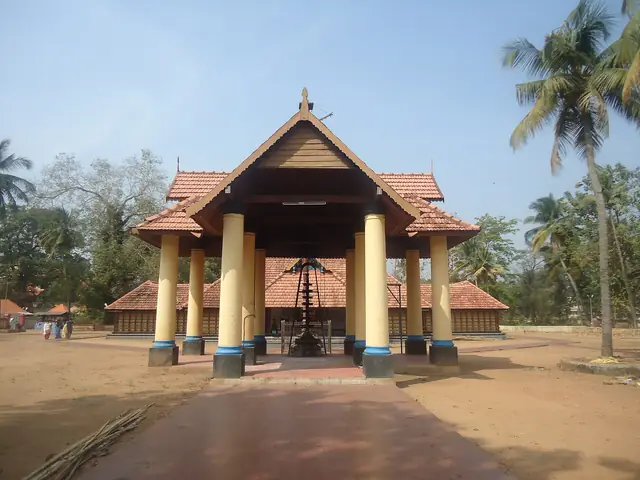
Vamana placed his foot on Bali’s head and sent him to Sutala, a realm below the earth richer than heaven, and himself stayed at its gate as Bali’s guard. In Kerala, Bali is remembered as Mahabali, the just king under whom all were equal, and Onam in the month of Chingam is the festival of his yearly visit to his people. Homes lay flower carpets, the pookalam, and the sadya is served on banana leaves. The festival’s home is the Vamana temple at Thrikkakara near Kochi.
03Trivikrama in stone
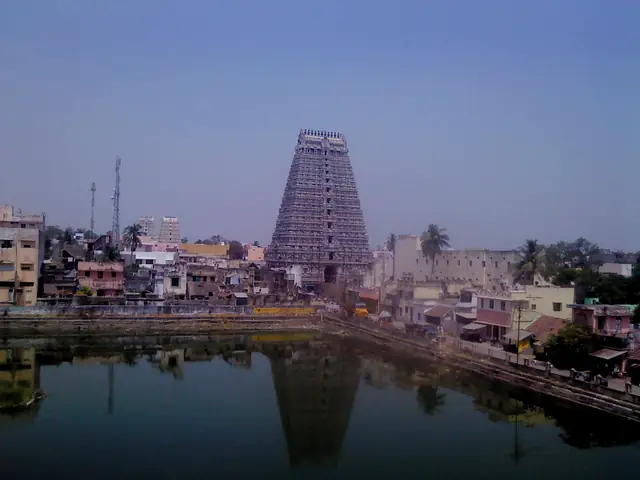
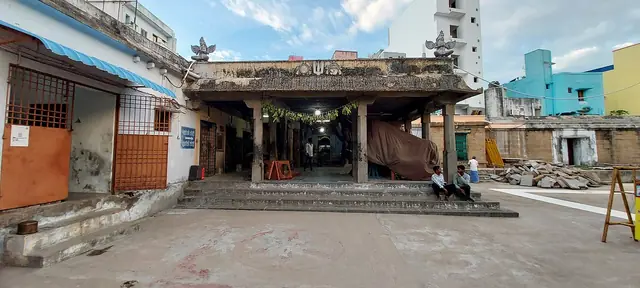
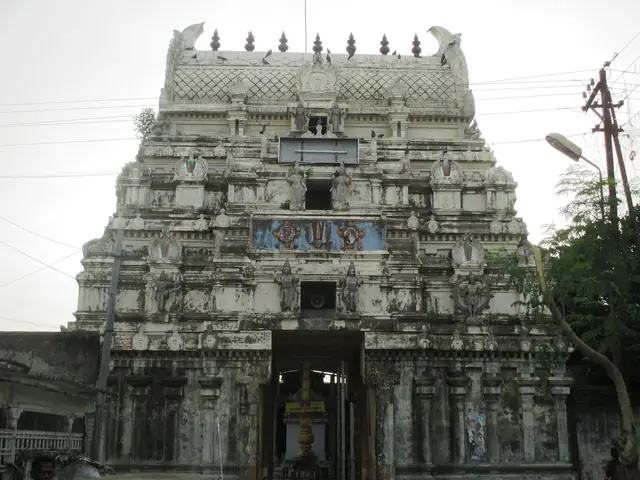
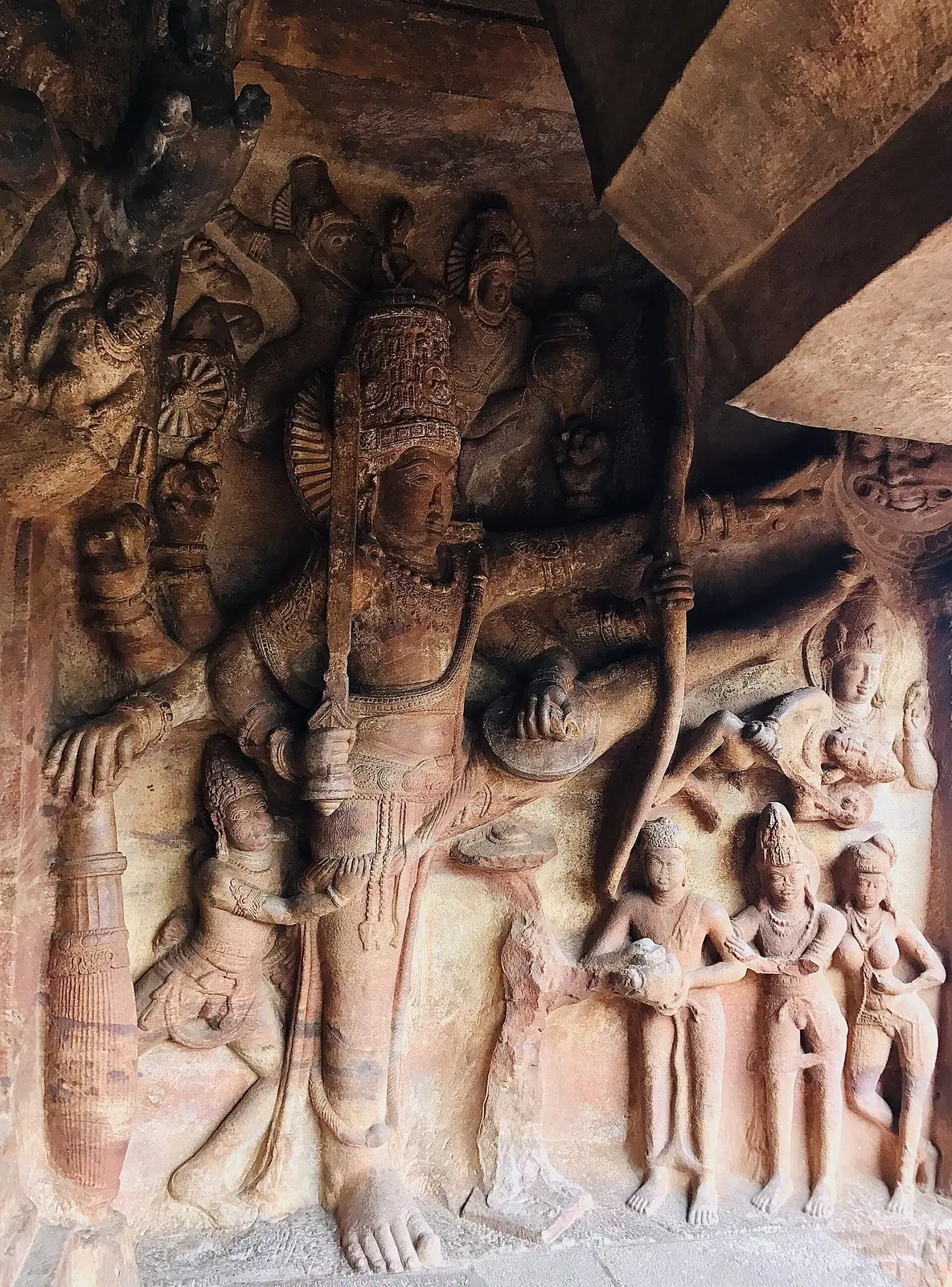
In cave 3 at Badami, dedicated in 578 CE under the Chalukya Mangalesha, Trivikrama strides across the wall, his raised foot near the ceiling. Mahabalipuram has another great panel carved on a wall of its rock-cut Varaha cave. In Tamil Nadu he is worshipped as Ulagalantha Perumal at Tirukkoyilur, where the wooden murti raises its left foot, and at Kanchipuram. Vamana Jayanti is kept on Bhadrapada Shukla Dwadashi.
In the texts
- Rigveda 1.154
- Shatapatha Brahmana 1.2.5
- Bhagavata Purana 8.15–23
- Vamana Purana