
Cite
MLA
“Siege of Bidar.” Hindu History, 2026, https://www.hinduhistory.in/battles/siege-of-bidar-1657/. Accessed .
APA
Hindu History. (2026). Siege of Bidar. Retrieved , from https://www.hinduhistory.in/battles/siege-of-bidar-1657/
After about a month the fort fell when a powder store exploded inside; Bidar became Mughal.
01An excuse for war
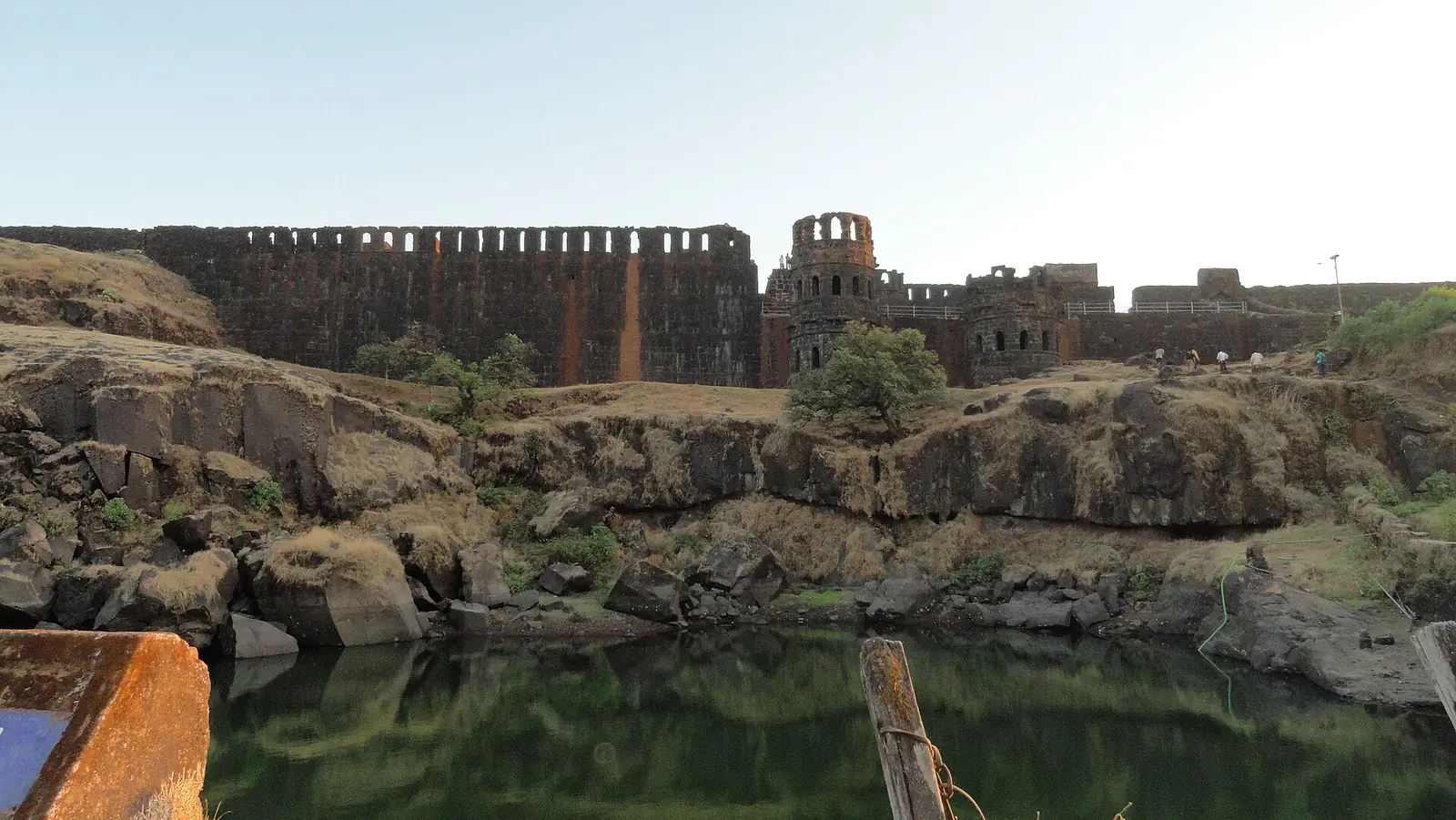
Aurangzeb, viceroy of the Deccan for the second time, wanted to annex Bijapur and Golconda. When Muhammad Adil Shah died in November 1656 and a young son succeeded him, Aurangzeb persuaded Shah Jahan that the new king was not legitimate. With Mir Jumla, the Persian adventurer who had left Golconda for Mughal service, he marched on Bidar in early 1657. The fort, the capital of the Bahmani sultans in the 15th century, was held by the old Abyssinian commander Sidi Marjan.
02The magazine explodes
The Mughals pushed their trenches up to the walls and battered them with heavy guns. In late March, as they were preparing an assault, a shell or rocket fell into a store of powder near a bastion. The explosion killed and wounded many defenders, Sidi Marjan among them, and the Mughals stormed in. Aurangzeb went on to take Kalyani. Then Shah Jahan, under pressure from Dara Shikoh, ordered peace, and Bijapur survived for another thirty years.
Bidar and Kalyani were Aurangzeb’s first gains from Bijapur; he would finish the kingdom himself as emperor in 1686.