Cite
MLA
“The Rashtrakuta invasion of Vengi.” Hindu History, 2026, https://www.hinduhistory.in/battles/rashtrakuta-conquest-of-vengi-772/. Accessed .
APA
Hindu History. (2026). The Rashtrakuta invasion of Vengi. Retrieved , from https://www.hinduhistory.in/battles/rashtrakuta-conquest-of-vengi-772/
Vishnuvardhana IV submitted and gave up territory; Vengi accepted Rashtrakuta overlordship.
01The Alas plates
The Alas plates of 769–770 were issued by Govinda as yuvaraja while he was camped on the Krishna–Musi confluence during this campaign. Later Rashtrakuta grants add that the lord of Vengi was made to submit and that Govinda won rich territory from him. The Eastern Chalukyas were cousins of the Badami line the Rashtrakutas had overthrown, so the war also removed a possible avenger. Vishnuvardhana IV kept his throne as a subordinate ally.
02A hundred years’ war
This was the first of many Rashtrakuta wars on Vengi. Over the next century and a half the two houses fought again and again, the Rashtrakutas sending armies to the coast and the Eastern Chalukyas raiding the Deccan in return; Vijayaditya II alone is credited with a hundred and eight battles. Vengi’s rich deltas were the prize, and the war only ended when the Rashtrakutas themselves fell in 973.
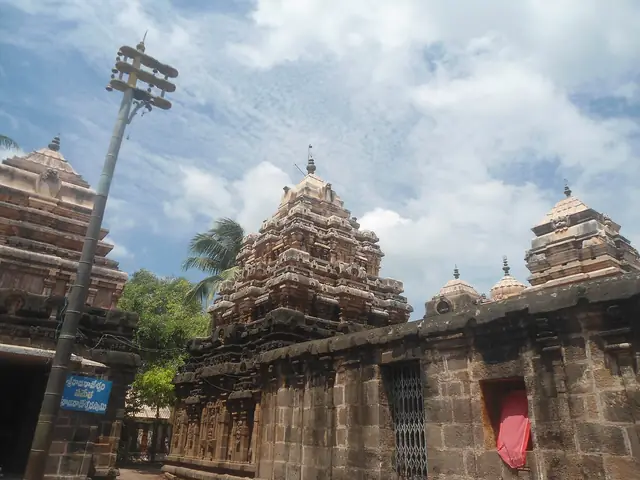
It opened a century and a half of war between the Rashtrakutas and the Eastern Chalukyas for the Andhra coast.