
Cite
MLA
“Nepalese Civil War (the Maoist insurgency).” Hindu History, 2026, https://www.hinduhistory.in/battles/nepalese-civil-war-1996/. Accessed .
APA
Hindu History. (2026). Nepalese Civil War (the Maoist insurgency). Retrieved , from https://www.hinduhistory.in/battles/nepalese-civil-war-1996/
The war ended in the Comprehensive Peace Agreement of 21 November 2006; the Maoists entered politics, and in 2008 the monarchy was abolished.
01The people’s war
On 13 February 1996 the CPN (Maoist) attacked police posts in Rolpa, Rukum and other districts and declared a ‘people’s war’ against the constitutional monarchy. Through the late 1990s it took over large parts of the hill countryside, running its own courts and taxes. The killing of King Birendra and most of his family in the Narayanhiti palace in June 2001, by Crown Prince Dipendra, shook the country. The army was sent against the Maoists that November, and the fighting grew far bloodier.
02From the palace to a republic
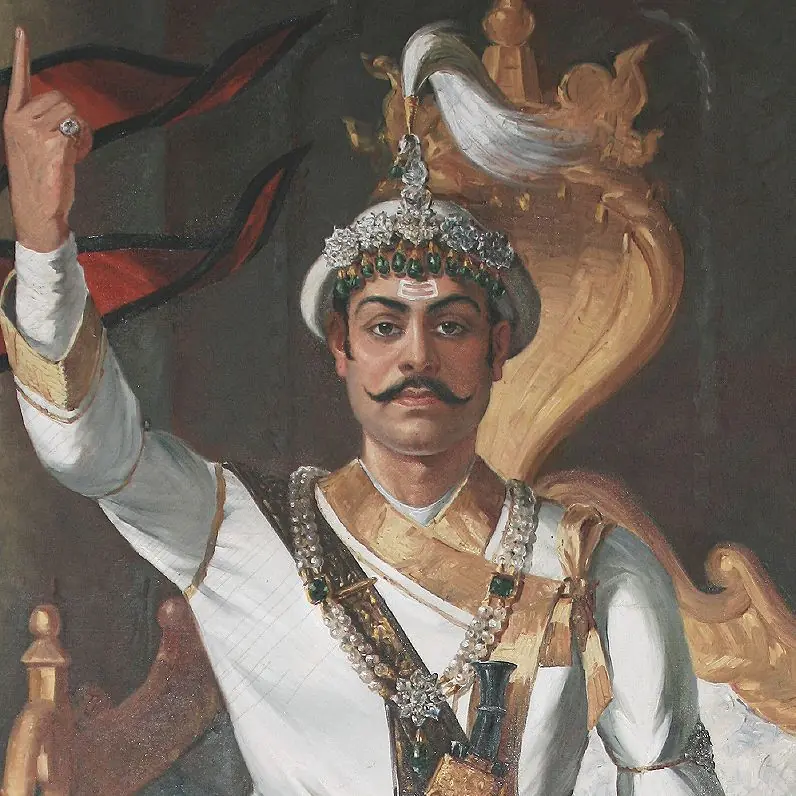
In February 2005 King Gyanendra dismissed the government and took direct power. The parliamentary parties then made common cause with the Maoists, and the mass movement of April 2006 forced the king to restore parliament. The Comprehensive Peace Agreement was signed on 21 November 2006. The interim constitution of 2007 declared Nepal secular, and on 28 May 2008 the Constituent Assembly ended the Shah monarchy that had ruled since Prithvi Narayan Shah. Prachanda became prime minister that August.
The war brought down the Shah dynasty and with it Nepal’s standing as the only Hindu kingdom in the world, a change still debated in Nepal today.