Cite
MLA
“Gharib Niwaz’s invasions of Burma.” Hindu History, 2026, https://www.hinduhistory.in/battles/gharib-niwaz-invasions-of-burma/. Accessed .
APA
Hindu History. (2026). Gharib Niwaz’s invasions of Burma. Retrieved , from https://www.hinduhistory.in/battles/gharib-niwaz-invasions-of-burma/
Manipuri cavalry raided deep into Upper Burma, reaching Sagaing opposite Ava in 1738–39; Burma could not stop them until its revival under Alaungpaya.
01The horsemen of Manipur
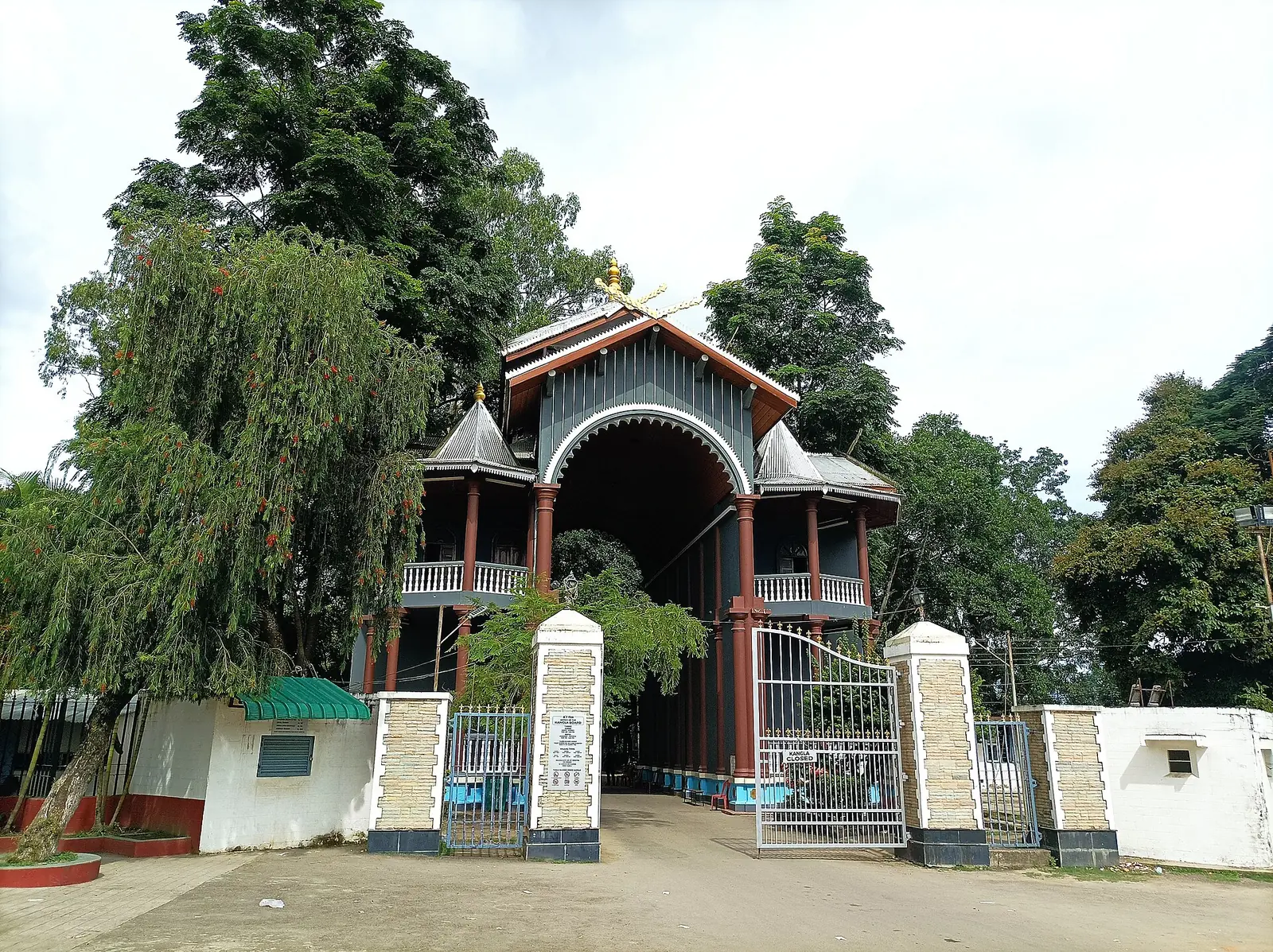
Pamheiba, who ruled Manipur from about 1709 to 1748 and took the name Gharib Niwaz, inherited a long quarrel with the Burmese over the Kabaw valley and over raids on both sides. The Manipuri cavalry, on small hardy ponies and famed for speed, were the best horsemen of the region; polo, sagol kangjei, was their game. From the 1720s Gharib Niwaz crossed the Chindwin and raided Burmese territory year after year, while the Toungoo kings at Ava were weak and divided.
02At the gates of Ava
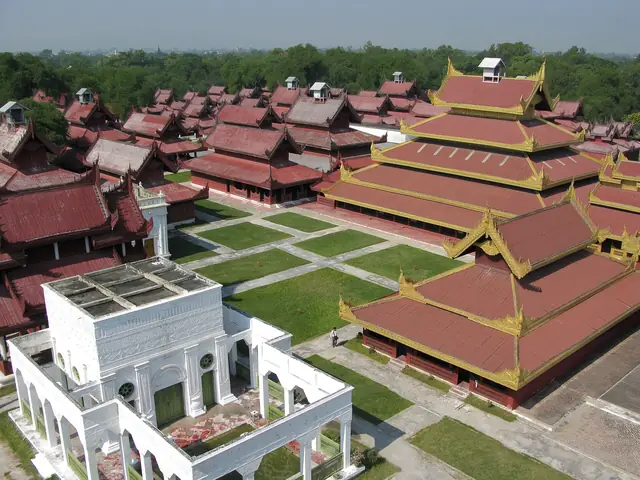
The raids reached their height in 1738–39, when the Manipuris crossed the Irrawaddy country to Sagaing, across the river from the capital Ava, and burned it; the Burmese chronicles record the damage to its pagodas. These same years saw the Meitei court adopt Vaishnavism; on the teaching of the Ramanandi preacher Shantidas Adhikari, Gharib Niwaz took initiation, and the worship of Radha-Krishna and Rama spread across the valley under royal patronage. After his death in 1748 Burma revived under Alaungpaya and turned the tables on Manipur.
Gharib Niwaz’s wars were the height of Manipur’s power, and his reign fixed the Vaishnava faith that shapes Manipuri culture, from the Ras Lila to the temple of Shri Govindaji.