Cite
MLA
“Capture of Thanjavur (1773).” Hindu History, 2026, https://www.hinduhistory.in/battles/capture-of-thanjavur-1773/. Accessed .
APA
Hindu History. (2026). Capture of Thanjavur (1773). Retrieved , from https://www.hinduhistory.in/battles/capture-of-thanjavur-1773/
The fort was stormed in September 1773 and Raja Tuljaji made prisoner; the Nawab held Thanjavur until the Company’s directors ordered the Raja restored in 1776.
01The Nawab’s claim
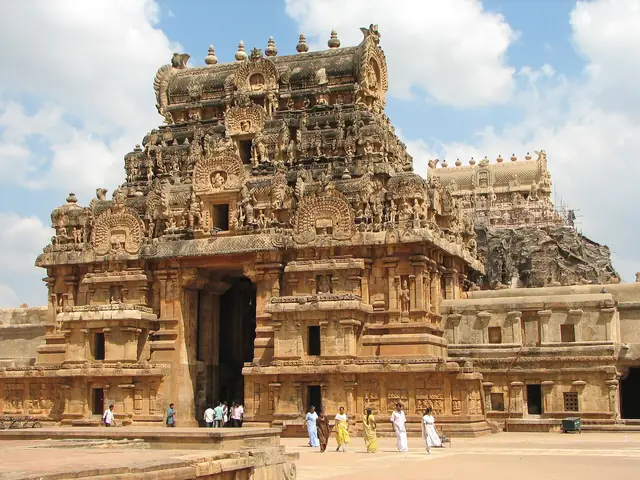
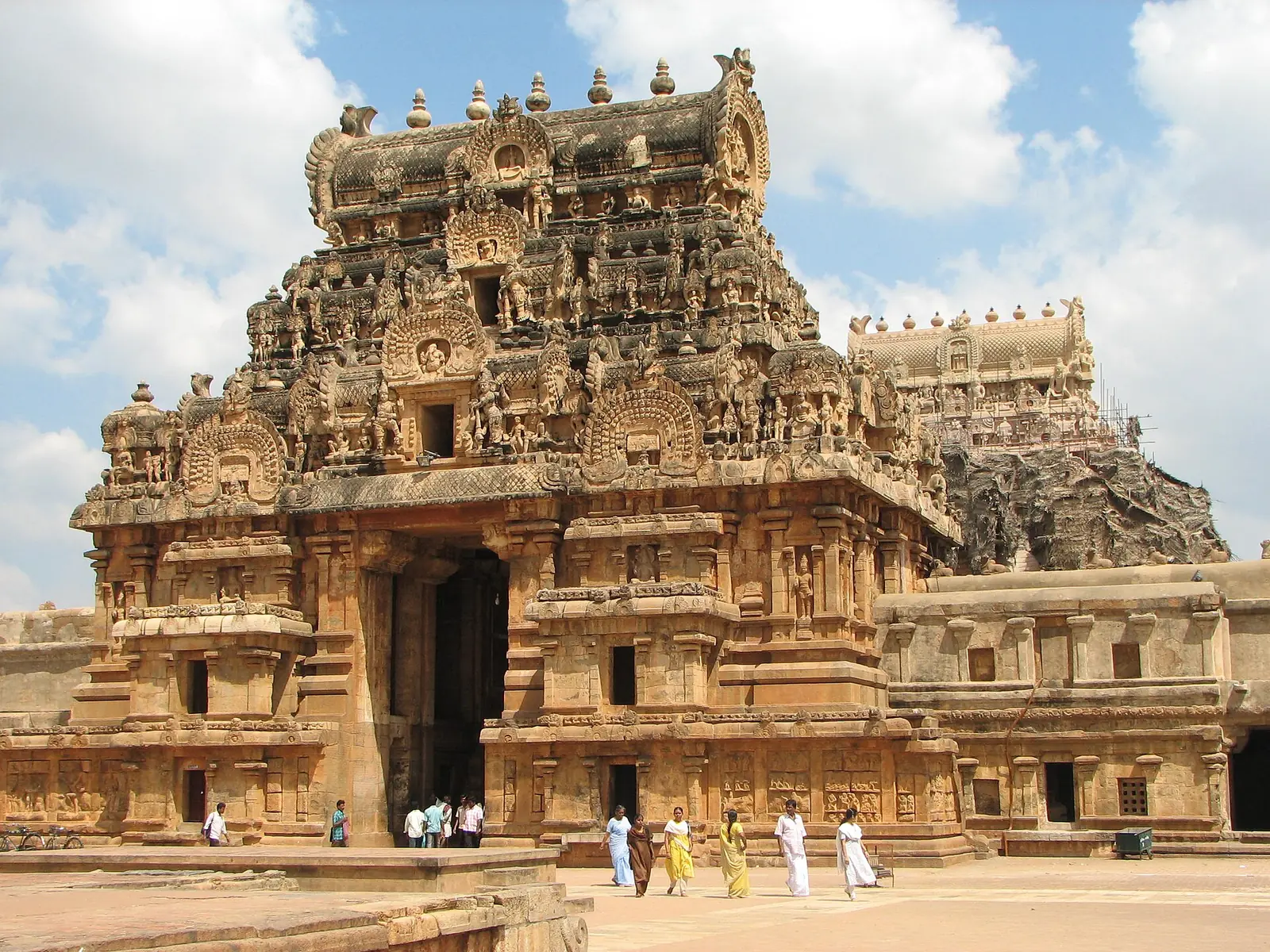
Thanjavur had been ruled since 1676 by a Maratha line founded by Ekoji, Shivaji’s half-brother, and its Rajas were great patrons of the Brihadeeswara temple, of music and of Sanskrit and Tamil learning. The Nawab of Arcot claimed tribute from it and coveted the rice lands of the delta. His creditors in Madras, Company servants who had lent him vast sums, wanted Thanjavur’s revenue for their repayment. In 1771 a first Company expedition forced Tuljaji to pay.
02Storm and restoration
In 1773 the Madras council sent General Joseph Smith against Thanjavur again. The army broke ground before the walls in August, breached them, and stormed the fort in September. Tuljaji and his family were taken prisoner and the Nawab moved in. The seizure caused an uproar in London, and the Directors ordered the Raja put back. In April 1776 Lord Pigot, the new Governor of Madras, restored Tuljaji, and his own council arrested Pigot for it.
The affair laid bare the corruption of the Nawab’s debts at Madras; Thanjavur survived as a Maratha kingdom until Serfoji II handed its government to the Company in 1799.