Cite
MLA
“Nag Panchami.” Hindu History, 2026, https://www.hinduhistory.in/utsav/nag-panchami/. Accessed .
APA
Hindu History. (2026). Nag Panchami. Retrieved , from https://www.hinduhistory.in/utsav/nag-panchami/
How it is kept
- 01
Milk, turmeric and flowers offered at anthills and naga stones
- 02
Nagas drawn on house walls and worshipped
- 03
No digging, ploughing or cutting on the day
- 04
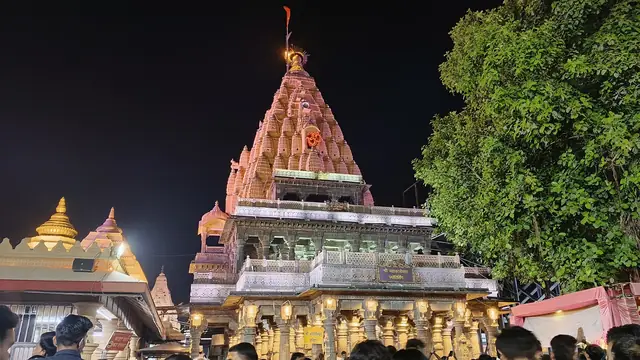
Darshan of Nagchandreshwar at Ujjain, open only this day
01Nagas in the Shastra
Shesha bears the earth and is Vishnu’s bed; Vasuki was the rope at the churning and lies round Shiva’s neck. The Mahabharata’s Adi Parva tells of Kadru, mother of the nagas, and of Janamejaya’s serpent sacrifice, stopped by the young sage Astika, whose name is still invoked against snakebite. Vaishnava households remember that Shri Krishna danced on the hoods of Kaliya in the Yamuna and spared him (Bhagavata 10.16). The Garuda and Bhavishya Puranas prescribe the worship of nagas on the fifth of the bright half of Shravana.
02The one day of Nagchandreshwar
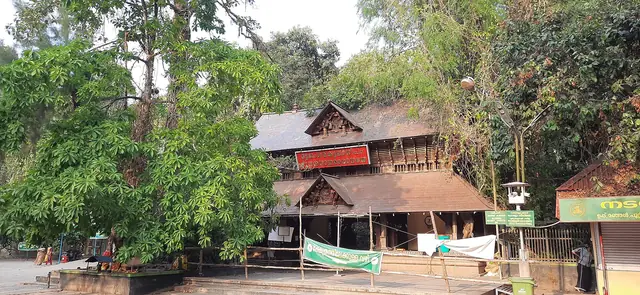
At Ujjain the shrine of Nagchandreshwar, on the topmost storey of the Mahakaleshwar temple, opens only for the twenty-four hours of Nag Panchami, and the queue begins the night before. In Maharashtra women draw nagas in turmeric or sandal on the wall and offer milk and lahya, puffed grain; nothing is cut or fried in many homes. Kukke Subramanya in Karnataka and the serpent grove of Mannarasala in Kerala, where the chief priest is a woman of the family, are the great naga tirthas of the south.
Maharashtra, Karnataka, Uttar Pradesh, Bihar, Bengal, Nepal; Kerala’s serpent groves keep their own days