
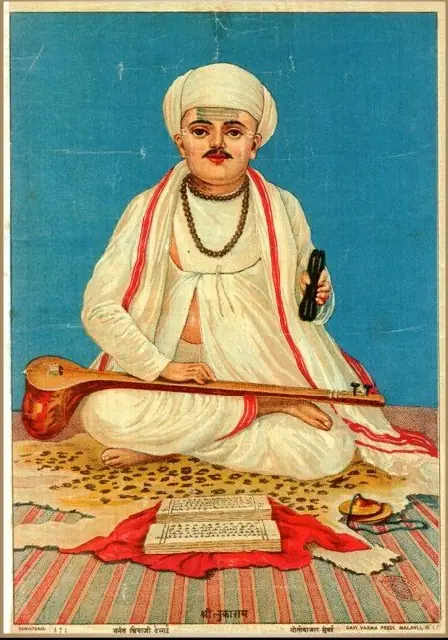
जें का रंजलें गांजलें। त्यासि म्हणे जो आपुलें॥१॥
तो चि साधु ओळखावा। देव तेथें चि जाणावा॥ध्रु.॥
मृदु सबाह्य नवनीत। तैसें सज्जनाचें चित्त॥२॥
ज्यासि आपंगिता नाहीं। त्यासि धरी जो हृदयीं॥३॥
दया करणें जें पुत्रासी। ते चि दासा आणि दासी॥४॥
तुका म्हणे सांगूं किती। तो चि भगवंताची मूर्ती॥५॥
Je ka ranjale ganjale, tyasi mhane jo apule.
To chi sadhu olakhava, dev tethe chi janava.
Mridu sabahya navanit, taise sajjanache chitta.
Jyasi apangita nahi, tyasi dhari jo hridayi.
Daya karane je putrasi, te chi dasa ani dasi.
Tuka mhane sangu kiti, to chi Bhagvantachi murti.
Meaning
Whoever calls the afflicted and the oppressed his own,
know him to be a true sadhu; know that God is right there.
As butter is soft inside and out, so is the heart of a good person.
Whoever holds to his heart those who have no one to care for them,
who shows the same kindness to servants, men and women, as to his own son:
Tuka says, how much more can I tell you? He is the very image of Bhagwan.
About this bhajan
Tukaram’s test of a sadhu: not his robe or his learning but whether he takes the wounded and the friendless as his own. The answer is so plain and so warm that this abhang is quoted in Maharashtra wherever service is spoken of, from Ganeshotsav mandals to hospitals. The butter image is Tukaram at his best, a farmer’s son from Dehu finding God in the kitchen.
Tukaram Gatha, abhang 347 (numbering as on Marathi Wikisource)