
न तातो न माता न बन्धुर्न दाता
न पुत्रो न पुत्री न भृत्यो न भर्ता ।
न जाया न विद्या न वृत्तिर्ममैव
गतिस्त्वं गतिस्त्वं त्वमेका भवानि ॥ १ ॥
भवाब्धावपारे महादुःखभीरुः
पपात प्रकामी प्रलोभी प्रमत्तः ।
कुसंसारपाशप्रबद्धः सदाहं
गतिस्त्वं गतिस्त्वं त्वमेका भवानि ॥ २ ॥
न जानामि दानं न च ध्यानयोगं
न जानामि तन्त्रं न च स्तोत्रमन्त्रम् ।
न जानामि पूजां न च न्यासयोगं
गतिस्त्वं गतिस्त्वं त्वमेका भवानि ॥ ३ ॥
न जानामि पुण्यं न जानामि तीर्थं
न जानामि मुक्तिं लयं वा कदाचित् ।
न जानामि भक्तिं व्रतं वापि मात-
र्गतिस्त्वं गतिस्त्वं त्वमेका भवानि ॥ ४ ॥
कुकर्मी कुसङ्गी कुबुद्धिः कुदासः
कुलाचारहीनः कदाचारलीनः ।
कुदृष्टिः कुवाक्यप्रबन्धः सदाहं
गतिस्त्वं गतिस्त्वं त्वमेका भवानि ॥ ५ ॥
प्रजेशं रमेशं महेशं सुरेशं
दिनेशं निशीथेश्वरं वा कदाचित् ।
न जानामि चान्यत् सदाहं शरण्ये
गतिस्त्वं गतिस्त्वं त्वमेका भवानि ॥ ६ ॥
विवादे विषादे प्रमादे प्रवासे
जले चानले पर्वते शत्रुमध्ये ।
अरण्ये शरण्ये सदा मां प्रपाहि
गतिस्त्वं गतिस्त्वं त्वमेका भवानि ॥ ७ ॥
अनाथो दरिद्रो जरारोगयुक्तो
महाक्षीणदीनः सदा जाड्यवक्त्रः ।
विपत्तौ प्रविष्टः प्रनष्टः सदाहं
गतिस्त्वं गतिस्त्वं त्वमेका भवानि ॥ ८ ॥
na tāto na mātā na bandhurna dātā
na putro na putrī na bhṛtyo na bhartā
na jāyā na vidyā na vṛttirmamaiva
gatistvaṃ gatistvaṃ tvamekā bhavāni ‖ 1 ‖
bhavābdhāvapāre mahāduḥkhabhīruḥ
papāta prakāmī pralobhī pramattaḥ
kusaṃsārapāśaprabaddhaḥ sadāhaṃ
gatistvaṃ gatistvaṃ tvamekā bhavāni ‖ 2 ‖
na jānāmi dānaṃ na ca dhyānayogaṃ
na jānāmi tantraṃ na ca stotramantram
na jānāmi pūjāṃ na ca nyāsayogaṃ
gatistvaṃ gatistvaṃ tvamekā bhavāni ‖ 3 ‖
na jānāmi puṇyaṃ na jānāmi tīrthaṃ
na jānāmi muktiṃ layaṃ vā kadācit
na jānāmi bhaktiṃ vrataṃ vāpi māta-
rgatistvaṃ gatistvaṃ tvamekā bhavāni ‖ 4 ‖
kukarmī kusaṅgī kubuddhiḥ kudāsaḥ
kulācārahīnaḥ kadācāralīnaḥ
kudṛṣṭiḥ kuvākyaprabandhaḥ sadāhaṃ
gatistvaṃ gatistvaṃ tvamekā bhavāni ‖ 5 ‖
prajeśaṃ rameśaṃ maheśaṃ sureśaṃ
dineśaṃ niśītheśvaraṃ vā kadācit
na jānāmi cānyat sadāhaṃ śaraṇye
gatistvaṃ gatistvaṃ tvamekā bhavāni ‖ 6 ‖
vivāde viṣāde pramāde pravāse
jale cānale parvate śatrumadhye
araṇye śaraṇye sadā māṃ prapāhi
gatistvaṃ gatistvaṃ tvamekā bhavāni ‖ 7 ‖
anātho daridro jarārogayukto
mahākṣīṇadīnaḥ sadā jāḍyavaktraḥ
vipattau praviṣṭaḥ pranaṣṭaḥ sadāhaṃ
gatistvaṃ gatistvaṃ tvamekā bhavāni ‖ 8 ‖
Meaning
Refrain: You are my refuge, you are my refuge, you alone, Bhavani.
1. I have no father, no mother, no kinsman, no giver; no son, no daughter, no servant, no master; no wife, no learning, no livelihood of my own.
2. In the shoreless ocean of becoming I have fallen, terrified of great sorrow, full of desire, full of greed, careless; I am always bound in the noose of this wretched samsara.
3. I do not know how to give, nor the yoga of meditation; I do not know tantra, nor hymns, nor mantras; I do not know how to do puja, nor the practice of nyasa.
4. I do not know merit, I do not know the tirthas; I have never known liberation or absorption; Mother, I do not know devotion or vows either.
5. I am always a doer of wrong, in bad company, of bad understanding, a poor servant; fallen from the ways of my family, sunk in bad conduct; with an evil eye and a tongue that strings together harsh words.
6. Brahma, lord of creatures, Vishnu, Lakshmi's lord, Mahesha, Indra, the sun, lord of the day, the moon, lord of the night: I have never known them or any other, O giver of refuge, ever.
7. In quarrels, in despair, in heedless moments, in a foreign land, in water, in fire, on mountains, among enemies, in the forest, O giver of refuge, protect me always.
8. I am without a protector, poor, worn by age and illness, utterly weak and wretched, always dull of speech; fallen into calamity, I am always lost.
About this bhajan
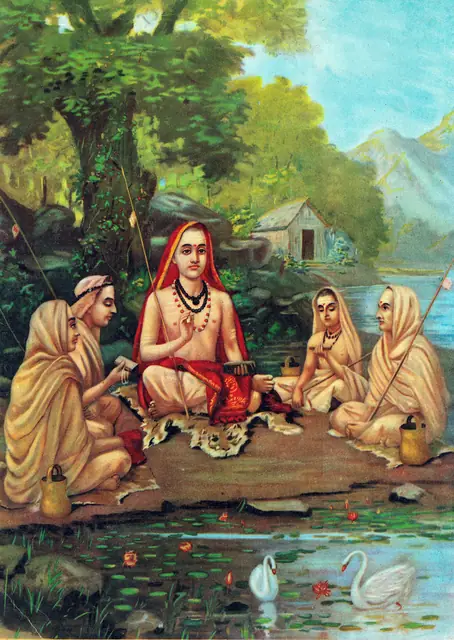
Eight verses in which the singer strips himself of everything he might offer, family, learning, merit, even knowledge of the other devas, until only the refrain is left: gatistvaṃ gatistvaṃ tvamekā bhavāni. The hymn is sung everywhere in the Shakta south and in Bengal and Maharashtra at Navratri, and it is a common prayer for the sick and the frightened. It is printed among the stotras of Adi Shankaracharya and recited under his name by the mathas, though the 1910 Srirangam edition does not include it; the attribution is traditional.
Attributed by tradition to Adi Shankaracharya, Bhavani Ashtakam, vv. 1–8: sa.wikisource "भवान्यष्टकम्" (not in the 1910 Vani Vilas edition)