
अङ्गं हरेः पुलकभूषणमाश्रयन्ती
भृङ्गाङ्गनेव मुकुलाभरणं तमालम् ।
अङ्गीकृताखिलविभूतिरपाङ्गलीला
माङ्गल्यदास्तु मम मङ्गलदेवतायाः ॥ १ ॥
मुग्धा मुहुर्विदधती वदने मुरारेः
प्रेमत्रपाप्रणिहितानि गतागतानि ।
माला दृशोर्मधुकरीव महोत्पले या
सा मे श्रियं दिशतु सागरसम्भवायाः ॥ २ ॥
आमीलिताक्षमधिगम्य मुदा मुकुन्द-
मानन्दकन्दमनिमेषमनङ्गतन्त्रम् ।
आकेकरस्थितकनीनिकपक्ष्मनेत्रं
भूत्यै भवेन्मम भुजङ्गशयाङ्गनायाः ॥ ३ ॥
बाह्वन्तरे मधुजितः श्रितकौस्तुभे या
हारावलीव हरिनीलमयी विभाति ।
कामप्रदा भगवतोऽपि कटाक्षमाला
कल्याणमावहतु मे कमलालयायाः ॥ ४ ॥
कालाम्बुदालिललितोरसि कैटभारे-
र्धाराधरे स्फुरति या तडिदङ्गनेव ।
मातुः समस्तजगतां महनीयमूर्ति-
र्भद्राणि मे दिशतु भार्गवनन्दनायाः ॥ ५ ॥
प्राप्तं पदं प्रथमतः खलु यत्प्रभावा-
न्माङ्गल्यभाजि मधुमाथिनि मन्मथेन ।
मय्यापतेत्तदिह मन्थरमीक्षणार्धं
मन्दालसं च मकरालयकन्यकायाः ॥ ६ ॥
विश्वामरेन्द्रपदविभ्रमदानदक्ष-
मानन्दहेतुरधिकं मुरविद्विषोऽपि ।
ईषन्निषीदतु मयि क्षणमीक्षणार्ध-
मिन्दीवरोदरसहोदरमिन्दिरायाः ॥ ७ ॥
इष्टा विशिष्टमतयोऽपि यया दयार्द्र-
दृष्ट्या त्रिविष्टपपदं सुलभं लभन्ते ।
दृष्टिः प्रहृष्टकमलोदरदीप्तिरिष्टां
पुष्टिं कृषीष्ट मम पुष्करविष्टरायाः ॥ ८ ॥
दद्याद्दयानुपवनो द्रविणाम्बुधारा-
मस्मिन्नकिञ्चनविहङ्गशिशौ विषण्णे ।
दुष्कर्मघर्ममपनीय चिराय दूरं
नारायणप्रणयिनीनयनाम्बुवाहः ॥ ९ ॥
गीर्देवतेति गरुडध्वजसुन्दरीति
शाकम्भरीति शशिशेखरवल्लभेति ।
सृष्टिस्थितिप्रलयकेलिषु संस्थितायै
तस्यै नमस्त्रिभुवनैकगुरोस्तरुण्यै ॥ १० ॥
श्रुत्यै नमोऽस्तु शुभकर्मफलप्रसूत्यै
रत्यै नमोऽस्तु रमणीयगुणार्णवायै ।
शक्त्यै नमोऽस्तु शतपत्रनिकेतनायै
पुष्ट्यै नमोऽस्तु पुरुषोत्तमवल्लभायै ॥ ११ ॥
नमोऽस्तु नालीकनिभाननायै
नमोऽस्तु दुग्धोदधिजन्मभूत्यै ।
नमोऽस्तु सोमामृतसोदरायै
नमोऽस्तु नारायणवल्लभायै ॥ १२ ॥
नमोऽस्तु हेमाम्बुजपीठिकायै
नमोऽस्तु भूमण्डलनायिकायै ।
नमोऽस्तु देवादिदयापरायै
नमोऽस्तु शार्ङ्गायुधवल्लभायै ॥ १३ ॥
नमोऽस्तु देव्यै भृगुनन्दनायै
नमोऽस्तु विष्णोरुरसि स्थितायै ।
नमोऽस्तु लक्ष्म्यै कमलालयायै
नमोऽस्तु दामोदरवल्लभायै ॥ १४ ॥
नमोऽस्तु कान्त्यै कमलेक्षणायै
नमोऽस्तु भूत्यै भुवनप्रसूत्यै ।
नमोऽस्तु देवादिभिरर्चितायै
नमोऽस्तु नन्दात्मजवल्लभायै ॥ १५ ॥
सम्पत्कराणि सकलेन्द्रियनन्दनानि
साम्राज्यदानविभवानि सरोरुहाक्षि ।
त्वद्वन्दनानि दुरितोद्धरणोद्यतानि
मामेव मातरनिशं कलयन्तु मान्ये ॥ १६ ॥
यत्कटाक्षसमुपासनाविधिः
सेवकस्य सकलार्थसम्पदः ।
सन्तनोति वचनाङ्गमानसै-
स्त्वां मुरारिहृदयेश्वरीं भजे ॥ १७ ॥
सरसिजनिलये सरोजहस्ते
धवलतमांशुकगन्धमाल्यशोभे ।
भगवति हरिवल्लभे मनोज्ञे
त्रिभुवनभूतिकरि प्रसीद मह्यम् ॥ १८ ॥
दिग्घस्तिभिः कनककुम्भमुखावसृष्ट-
स्वर्वाहिनीविमलचारुजलाप्लुताङ्गीम् ।
प्रातर्नमामि जगतां जननीमशेष-
लोकाधिनाथगृहिणीममृताब्धिपुत्रीम् ॥ १९ ॥
कमले कमलाक्षवल्लभे त्वं
करुणापूरतरङ्गितैरपाङ्गैः ।
अवलोकय मामकिञ्चनानां
प्रथमं पात्रमकृत्रिमं दयायाः ॥ २० ॥
देवि प्रसीद जगदीश्वरि लोकमातः
कल्याणगात्रि कमलेक्षणजीवनाथे ।
दारिद्र्यभीतिहृदयं शरणागतं मा-
मालोकय प्रतिदिनं सदयैरपाङ्गैः ॥ २१ ॥
स्तुवन्ति ये स्तुतिभिरमीभिरन्वहं
त्रयीमयीं त्रिभुवनमातरं रमाम् ।
गुणाधिका गुरुतरभाग्यभागिनो
भवन्ति ते भुवि बुधभाविताशयाः ॥ २२ ॥
aṅgaṃ hareḥ pulakabhūṣaṇamāśrayantī
bhṛṅgāṅganeva mukulābharaṇaṃ tamālam
aṅgīkṛtākhilavibhūtirapāṅgalīlā
māṅgalyadāstu mama maṅgaladevatāyāḥ ‖ 1 ‖
mugdhā muhurvidadhatī vadane murāreḥ
prematrapāpraṇihitāni gatāgatāni
mālā dṛśormadhukarīva mahotpale yā
sā me śriyaṃ diśatu sāgarasambhavāyāḥ ‖ 2 ‖
āmīlitākṣamadhigamya mudā mukunda-
mānandakandamanimeṣamanaṅgatantram
ākekarasthitakanīnikapakṣmanetraṃ
bhūtyai bhavenmama bhujaṅgaśayāṅganāyāḥ ‖ 3 ‖
bāhvantare madhujitaḥ śritakaustubhe yā
hārāvalīva harinīlamayī vibhāti
kāmapradā bhagavato'pi kaṭākṣamālā
kalyāṇamāvahatu me kamalālayāyāḥ ‖ 4 ‖
kālāmbudālilalitorasi kaiṭabhāre-
rdhārādhare sphurati yā taḍidaṅganeva
mātuḥ samastajagatāṃ mahanīyamūrti-
rbhadrāṇi me diśatu bhārgavanandanāyāḥ ‖ 5 ‖
prāptaṃ padaṃ prathamataḥ khalu yatprabhāvā-
nmāṅgalyabhāji madhumāthini manmathena
mayyāpatettadiha mantharamīkṣaṇārdhaṃ
mandālasaṃ ca makarālayakanyakāyāḥ ‖ 6 ‖
viśvāmarendrapadavibhramadānadakṣa-
mānandaheturadhikaṃ muravidviṣo'pi
īṣanniṣīdatu mayi kṣaṇamīkṣaṇārdha-
mindīvarodarasahodaramindirāyāḥ ‖ 7 ‖
iṣṭā viśiṣṭamatayo'pi yayā dayārdra-
dṛṣṭyā triviṣṭapapadaṃ sulabhaṃ labhante
dṛṣṭiḥ prahṛṣṭakamalodaradīptiriṣṭāṃ
puṣṭiṃ kṛṣīṣṭa mama puṣkaraviṣṭarāyāḥ ‖ 8 ‖
dadyāddayānupavano draviṇāmbudhārā-
masminnakiñcanavihaṅgaśiśau viṣaṇṇe
duṣkarmagharmamapanīya cirāya dūraṃ
nārāyaṇapraṇayinīnayanāmbuvāhaḥ ‖ 9 ‖
gīrdevateti garuḍadhvajasundarīti
śākambharīti śaśiśekharavallabheti
sṛṣṭisthitipralayakeliṣu saṃsthitāyai
tasyai namastribhuvanaikagurostaruṇyai ‖ 10 ‖
śrutyai namo'stu śubhakarmaphalaprasūtyai
ratyai namo'stu ramaṇīyaguṇārṇavāyai
śaktyai namo'stu śatapatraniketanāyai
puṣṭyai namo'stu puruṣottamavallabhāyai ‖ 11 ‖
namo'stu nālīkanibhānanāyai
namo'stu dugdhodadhijanmabhūtyai
namo'stu somāmṛtasodarāyai
namo'stu nārāyaṇavallabhāyai ‖ 12 ‖
namo'stu hemāmbujapīṭhikāyai
namo'stu bhūmaṇḍalanāyikāyai
namo'stu devādidayāparāyai
namo'stu śārṅgāyudhavallabhāyai ‖ 13 ‖
namo'stu devyai bhṛgunandanāyai
namo'stu viṣṇorurasi sthitāyai
namo'stu lakṣmyai kamalālayāyai
namo'stu dāmodaravallabhāyai ‖ 14 ‖
namo'stu kāntyai kamalekṣaṇāyai
namo'stu bhūtyai bhuvanaprasūtyai
namo'stu devādibhirarcitāyai
namo'stu nandātmajavallabhāyai ‖ 15 ‖
sampatkarāṇi sakalendriyanandanāni
sāmrājyadānavibhavāni saroruhākṣi
tvadvandanāni duritoddharaṇodyatāni
māmeva mātaraniśaṃ kalayantu mānye ‖ 16 ‖
yatkaṭākṣasamupāsanāvidhiḥ
sevakasya sakalārthasampadaḥ
santanoti vacanāṅgamānasai-
stvāṃ murārihṛdayeśvarīṃ bhaje ‖ 17 ‖
sarasijanilaye sarojahaste
dhavalatamāṃśukagandhamālyaśobhe
bhagavati harivallabhe manojñe
tribhuvanabhūtikari prasīda mahyam ‖ 18 ‖
digghastibhiḥ kanakakumbhamukhāvasṛṣṭa-
svarvāhinīvimalacārujalāplutāṅgīm
prātarnamāmi jagatāṃ jananīmaśeṣa-
lokādhināthagṛhiṇīmamṛtābdhiputrīm ‖ 19 ‖
kamale kamalākṣavallabhe tvaṃ
karuṇāpūrataraṅgitairapāṅgaiḥ
avalokaya māmakiñcanānāṃ
prathamaṃ pātramakṛtrimaṃ dayāyāḥ ‖ 20 ‖
devi prasīda jagadīśvari lokamātaḥ
kalyāṇagātri kamalekṣaṇajīvanāthe
dāridryabhītihṛdayaṃ śaraṇāgataṃ mā-
mālokaya pratidinaṃ sadayairapāṅgaiḥ ‖ 21 ‖
stuvanti ye stutibhiramībhiranvahaṃ
trayīmayīṃ tribhuvanamātaraṃ ramām
guṇādhikā gurutarabhāgyabhāgino
bhavanti te bhuvi budhabhāvitāśayāḥ ‖ 22 ‖
Meaning
1. As a female bee clings to the tamala tree covered in buds, her glance rests on the body of Hari, whose hair stands on end with joy. May that playful side-glance of the auspicious Devi, which holds all splendour within it, bring me what is auspicious.
2. Like a bee hovering over a great blue lotus, her shy eyes come and go again and again on the face of Murari, held back by love and modesty. May that garland of glances of the ocean-born Devi grant me prosperity.
3. Her eyes rest on Mukunda, his own eyes half-closed in delight, the root of bliss, gazing without blinking; her pupils and lashes are still with tender love. May that look of the consort of the One who lies on the serpent bring me well-being.
4. On the chest of the slayer of Madhu, where the Kaustubha gem rests, her row of glances shines like a necklace of sapphires, granting wishes even to Bhagavan himself. May that garland of glances of the lotus-dweller bring me good fortune.
5. On the breast of Kaitabha's slayer, lovely as a bank of dark rain clouds, she flashes like lightning. May the revered form of the Mother of all the worlds, the daughter of Bhrigu, grant me blessings.
6. By the power of her glance Kamadeva first found his place in Madhusudana, abode of all that is auspicious. May that slow, languid half-glance of the daughter of the ocean fall upon me here.
7. Her glance can bestow even the throne of Indra, lord of the devas, and gives Mura's foe himself more delight. May that half-glance of Indira, sister to the inside of a blue lotus, rest on me for a moment.
8. By her glance, moist with compassion, even those of ordinary understanding easily reach the heavens they long for. May the gaze of the lotus-seated Devi, bright as the inside of a blooming lotus, give me the nourishment I seek.
9. May the cloud that is the eye of Narayana's beloved, driven by the wind of compassion, pour a stream of wealth on me, a helpless fledgling in distress, and drive far away the scorching heat of my bad karma.
10. She is called Sarasvati, the Devi of speech; the beautiful consort of the one whose banner bears Garuda; Shakambhari; and the beloved of the moon-crested Shiva. Salutations to her, the young consort of the one Teacher of the three worlds, who abides in the play of creation, preservation and dissolution.
11. Salutations to her who is the Veda, who brings forth the fruit of good deeds; to her who is delight, an ocean of lovely virtues; to her who is power, dwelling in the hundred-petalled lotus; to her who is nourishment, beloved of Purushottama.
12. Salutations to her whose face is like a lotus; to her who is the splendour born from the ocean of milk; to her who is sister of the moon and of amrita; to the beloved of Narayana.
13. Salutations to her whose seat is a golden lotus; to the ruler of the earth; to her who is compassionate to the devas and all beings; to the beloved of the bearer of the Sharnga bow.
14. Salutations to the Devi, daughter of Bhrigu; to her who dwells on Vishnu's chest; to Lakshmi, who lives in the lotus; to the beloved of Damodara.
15. Salutations to her who is radiance, the lotus-eyed; to her who is prosperity, mother of the worlds; to her who is worshipped by the devas; to the beloved of Nanda's son.
16. O lotus-eyed, revered Mother, may my salutations to you, which bring wealth, gladden all the senses, give the splendour of kingship and stand ready to lift away all sin, always remain with me.
17. I worship you, queen of Murari's heart, with speech, body and mind. The worship of your side-glance brings every kind of wealth to the one who serves you.
18. O you who dwell in the lotus, lotus in hand, shining in the whitest garments, sandal and garlands; Bhagavati, beloved of Hari, lovely one, who gives prosperity to the three worlds, be gracious to me.
19. At dawn I bow to the Mother of the worlds, whose body is bathed in the clear water of the heavenly Ganga poured from golden pots by the elephants of the quarters; the wife of the Lord of all the worlds, the daughter of the ocean of amrita.
20. O Kamala, beloved of the lotus-eyed Lord, look on me with glances that overflow with waves of compassion. Among the destitute I am the first and truest object of your mercy.
21. Devi, be gracious, ruler of the world, mother of all, auspicious one, beloved of the lotus-eyed Lord. I have come to you for refuge, my heart afraid of poverty; look on me every day with kindly glances.
22. Those who praise Rama, the Mother of the three worlds, whose form is the three Vedas, every day with these hymns, grow rich in virtue, share in the greatest good fortune, and are honoured on earth by the wise.
About this bhajan
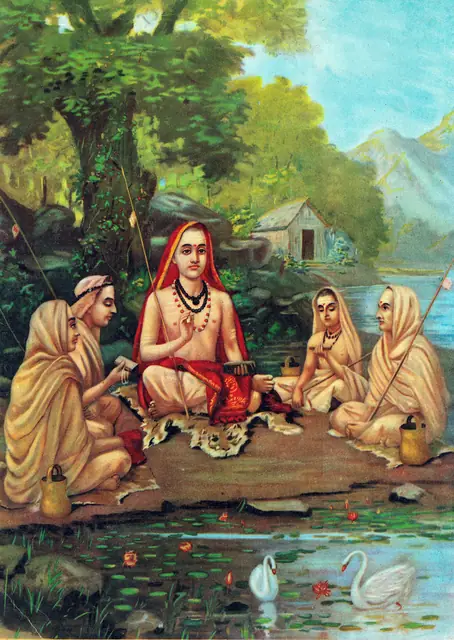
The boy Shankara, a brahmachari going from house to house for bhiksha, stopped at the door of a poor brahmin woman. Tradition says she had nothing in the house but a single dried amalaka, and gave him that with shame and love. Moved, he sang these verses to Mahalakshmi, and golden amalakas rained on the house; kanaka-dhara means a stream of gold. Families in Kerala point to the place near Kalady. The hymn is a study of one thing, the glance of Lakshmi, which falls on Narayana first and then, the singer asks, on him. The 1910 Srirangam edition prints eighteen verses in a slightly different order; the twenty-two verses given here are the form most homes recite.
Adi Shankaracharya, Kanakadhara Stotra, vv. 1–22: sa.wikisource "कनकधारास्तोत्रम्"; compared line by line with Works of Sri Sankaracharya (Vani Vilas Press, Srirangam, 1910), sa.wikisource "कनकधारास्तोत्रम् (मूलसहितम्)", which has 18 verses (no vv. 13–15 and 21 of this order)