
In Angus Maddison’s own estimates, India’s share of world output was already about 33% in 1 CE and 29% in 1000 CE, higher than under the Mughals (about 22% in 1600 and 24% in 1700). The Mughals ruled a land that was rich long before them, and its wealth was made by Indian farmers, weavers and merchants.
The proof
- Maddison’s estimates of India’s share of world GDP: 1 CE about 33%, 1000 about 29%, 1500 about 24%, 1600 about 22%, 1700 about 24%.
- Pliny the Elder (Natural History, 1st century CE) complained that India drained the Roman empire of 50 million sesterces a year.
- The Portuguese visitor Domingo Paes, around 1520, wrote that Vijayanagara was as large as Rome and the best-provided city in the world.
01The claim
The argument goes that India was a poor and divided land until the Mughals arrived in 1526, and that their empire built roads, cities and trade and made India the richest country on earth, with a quarter of the world’s wealth. It is often put as an answer to anyone who criticises Mughal rule: whatever they did, they made India prosperous.
02What the numbers show
The figure people quote comes from the economic historian Angus Maddison, and his own table undoes the argument. By his estimate India produced about a third of the world’s output at the start of the Common Era and nearly 29% in the year 1000, under Hindu and Buddhist kingdoms. It was about 24% in 1500, before Babur, dipped to about 22% in 1600 under Akbar and was about 24% in 1700. The share held roughly steady under the Mughals; it did not rise from poverty. These ancient figures are rough estimates built largely on population, and Maddison said so, but they are the very source the claim relies on.
03Where the wealth came from
Indian cloth, pepper, indigo and gems had drawn gold from Rome in Pliny’s day and from Southeast Asia and China in the Chola age. Vijayanagara amazed Portuguese visitors before the Mughals reached the Deccan. The Mughal state did keep a long peace over much of the north, standardised coinage and roads and drew a huge land revenue: Akbar’s assessment fixed the state’s share at a third of the produce. That revenue came from Indian cultivators, and the textiles that filled Surat and Hugli came from Indian weavers.
04A fair word
None of this means Mughal rule was an economic disaster. Their peace helped trade, their cities grew, and by 1700 Indian textiles clothed half the world. But they inherited a rich economy; they did not create one. The honest sentence is that India was among the two largest economies in the world for most of recorded history, under many dynasties, and stayed so under the Mughals until its long fall in the British period.
05What to read
Look at Maddison’s tables yourself, in The World Economy: A Millennial Perspective (2001) or Contours of the World Economy, 1–2030 AD (2007), and read his cautions about the early figures. Irfan Habib’s The Agrarian System of Mughal India (1963) shows how the Mughal revenue was raised. For the older wealth, read the Periplus of the Erythraean Sea and the accounts of Domingo Paes and Fernão Nunes on Vijayanagara, translated by Robert Sewell in A Forgotten Empire (1900).
Read on
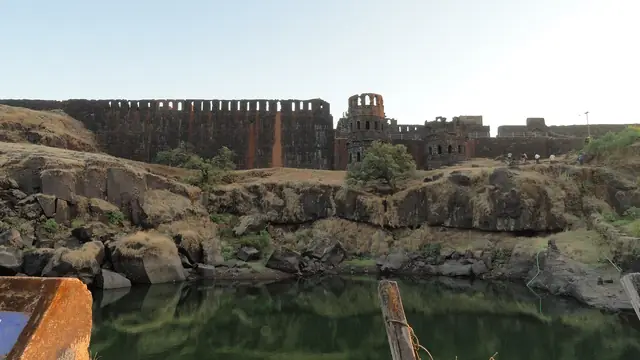
The Mughal era and the resistance
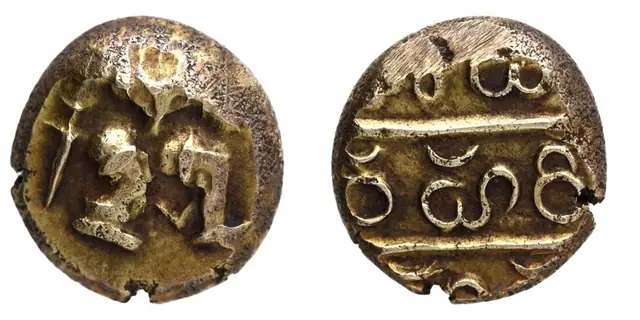
Vijayanagara Empire (Sangama, Saluva, Tuluva, Aravidu)
Founded in 1336 on the Tungabhadra by the brothers Harihara and Bukka, Vijayanagara held the south for Sanatan Dharma for more than two centuries. Four dynasties ruled it; its city at Hampi was among the largest in the world before its fall in 1565.
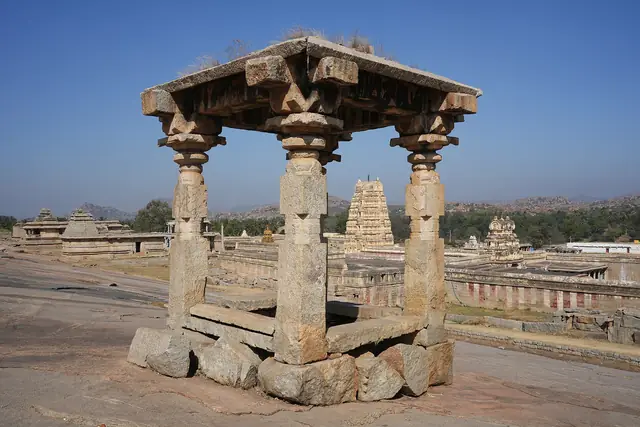
Hampi (Vijayanagara)
Vijayanagara, the City of Victory, capital of the empire that held the south for over two centuries. After the defeat at Talikota in January 1565 it was plundered for months and never lived again.
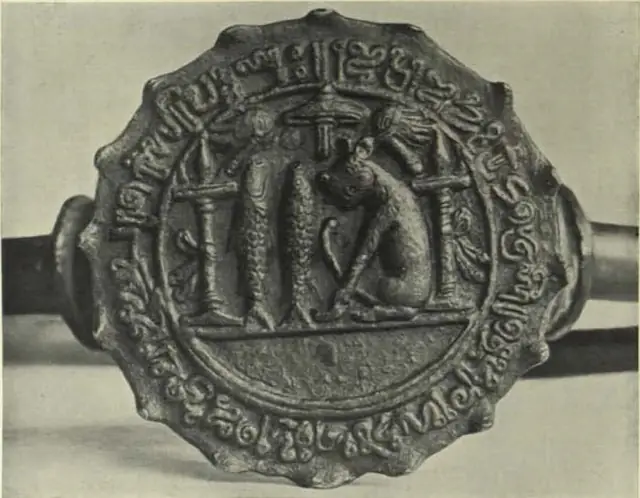
Imperial Cholas
Vijayalaya took Thanjavur around 848, and for four centuries his line ruled the richest kingdom of the south. Under Rajaraja I and Rajendra I the Chola fleet crossed the Bay of Bengal.
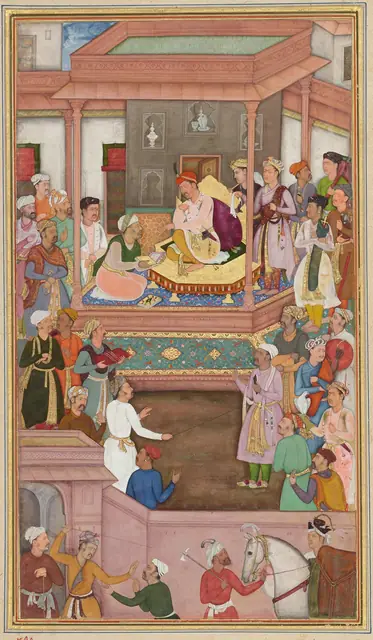
Ain-i-Akbari of Abul Fazl
A gazetteer of Akbar’s empire: its provinces, revenue, army, mints, prices and peoples.