
The Cholas sent a fleet across the Bay of Bengal to strike Srivijaya in 1025. Shivaji built sea forts and a fighting navy, and later Kanhoji Angre, Sarkhel of the Maratha fleet, held the Konkan coast against the English, Portuguese and Dutch until his death in 1729.
The proof
- Rajendra Chola’s inscriptions list the Srivijaya ports taken in the sea campaign of 1025.
- Shivaji began the sea fort of Sindhudurg at Malvan in 1664.
- In 1741 Marthanda Varma of Travancore defeated the Dutch East India Company at Kolachel.
01From Lothal to Kolaba
At Lothal in Gujarat, S. R. Rao excavated a great brick basin he read as a dockyard of the Harappan age. Satavahana coins carry two-masted ships. The Pallavas and Cholas ruled ports that traded to China. Shivaji, seeing the Siddis and the Portuguese command his coast, built ships at Kalyan and Bhiwandi and raised Sindhudurg on an island. Kanhoji Angre, Sarkhel of the Maratha fleet from 1698, seized East India Company ships and beat off a joint English-Portuguese attack on Kolaba in 1721. The Indian Navy’s base in Mumbai, INS Angre, carries his name.
Read on
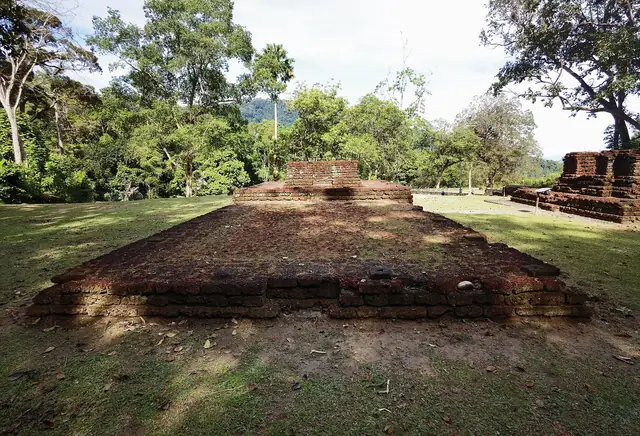
Chola naval expedition to Srivijaya
Rajendra sent a fleet across the Bay of Bengal and struck the maritime empire of Srivijaya along the Strait of Malacca. It is the only overseas naval expedition by an Indian kingdom recorded in such detail.
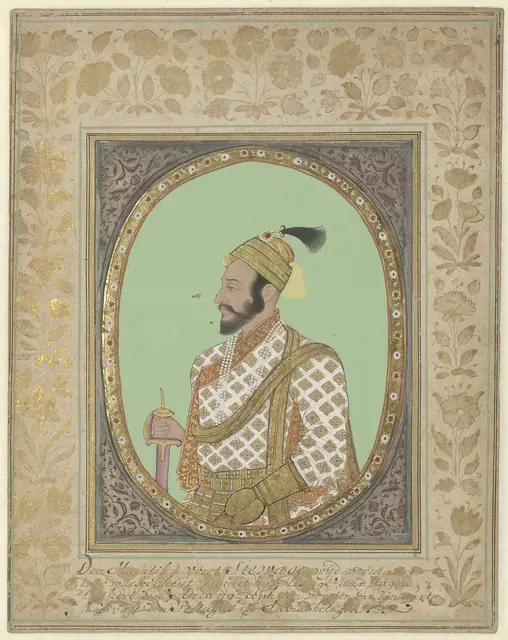
Chhatrapati Shivaji Maharaj
Born at Shivneri on 19 February 1630, Shivaji built a free Maratha state from a handful of hill forts around Pune, outfought Bijapur and the Mughals, escaped from Aurangzeb’s court, and was crowned Chhatrapati at Raigad on 6 June 1674.
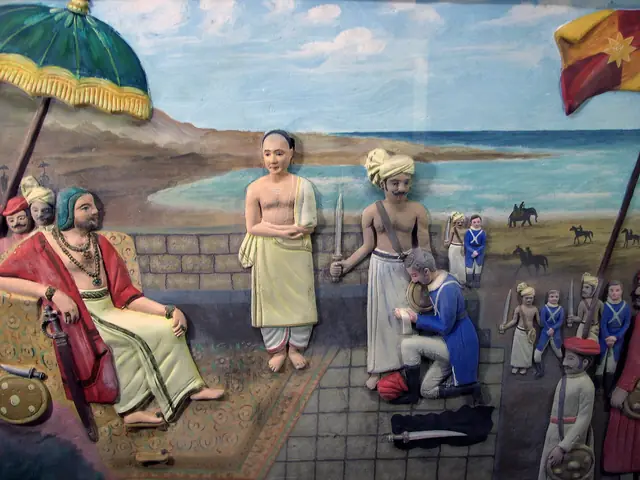
Battle of Kolachel (Colachel)
At Kolachel an Indian king defeated a European company’s army in open battle and took its officers prisoner.
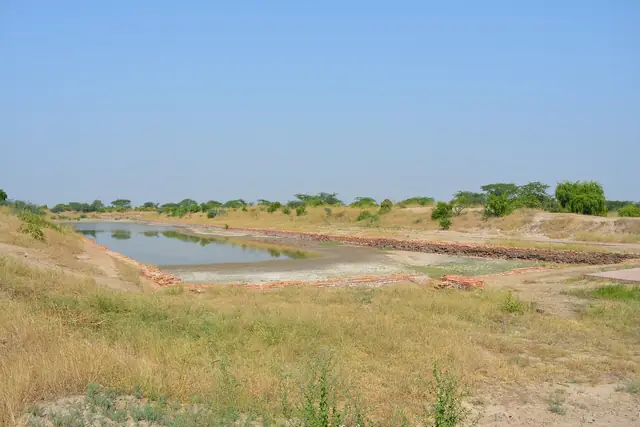
Lothal
A Harappan port town near the Gulf of Khambhat, excavated by S. R. Rao in 1955–60, with a brick basin that he identified as the oldest known dockyard in the world.
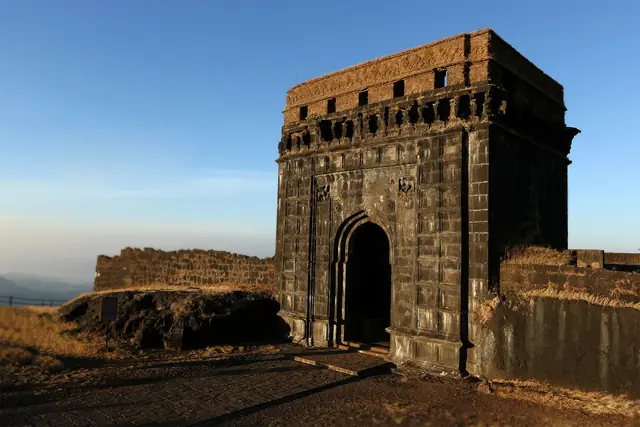
Maratha Chhatrapatis (Bhonsle)
Shivaji Bhonsle built a Hindu kingdom out of hill forts in the Sahyadri and was crowned Chhatrapati at Raigad in 1674. His sons and his daughter-in-law Tarabai held it through twenty-seven years of war with Aurangzeb, and the state they saved became the Maratha power that ruled much of India in the eighteenth century.