
Gandhi’s mass movements were the broadest part of the struggle, but they were not the only part. From 1857 to the revolutionaries, the Azad Hind Fauj and the naval revolt of February 1946, armed resistance was part of how Indians fought and how Britain judged it could no longer hold India.
The proof
- Bhagat Singh, Rajguru and Sukhdev were hanged at Lahore on 23 March 1931.
- The Red Fort trials of INA officers Shah Nawaz Khan, Prem Sahgal and Gurbaksh Singh Dhillon began in November 1945 and set off protests across India.
- The Royal Indian Navy revolt began in Bombay on 18 February 1946 and spread to some 78 ships and 20 shore establishments.
01Many roads to 1947
Honour the satyagrahis, who filled the jails in 1921, 1930 and 1942 and faced lathis without striking back. Honour as well those who took the other road: Khudiram Bose at eighteen, Chandrashekhar Azad at Alfred Park, the soldiers of Subhas Chandra Bose’s army at Kohima and Imphal, and the young ratings of 1946 who hauled down the Union Jack on their ships. By then Britain could no longer be sure that the Indian army and navy would obey. Freedom came from all of it together.
Read on
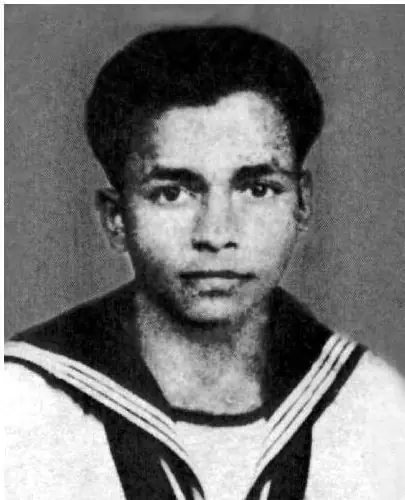
Royal Indian Navy Revolt
A strike over food and insults at the signals school HMIS Talwar in Bombay spread within two days to some 78 ships and 20 shore establishments, with the tricolour and other national flags flying from the masts.
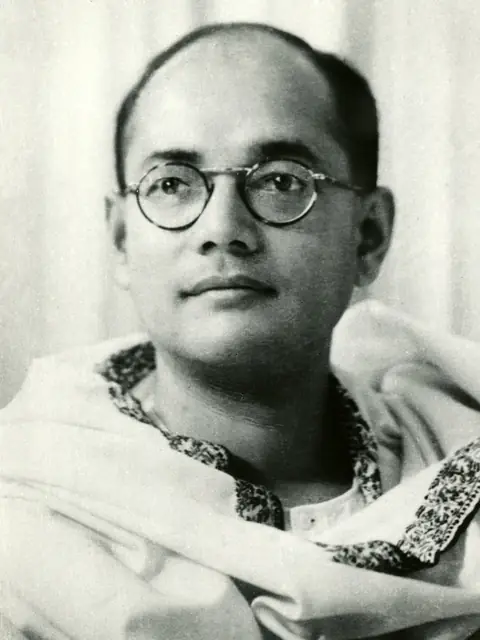
Netaji Subhas Chandra Bose
Twice president of the Congress, he escaped British India in 1941 and from Singapore led the Azad Hind Fauj and the Provisional Government of Free India. He is held to have died after an air crash at Taihoku on 18 August 1945, though one official commission disagreed.
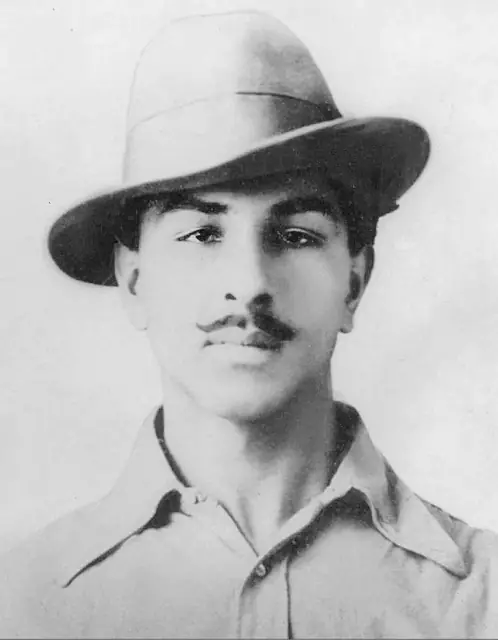
Shaheed Bhagat Singh
A Punjabi revolutionary who threw bombs into the Central Legislative Assembly in 1929 and waited to be arrested so that his trial could be his platform. He was hanged at Lahore with Rajguru and Sukhdev on 23 March 1931.
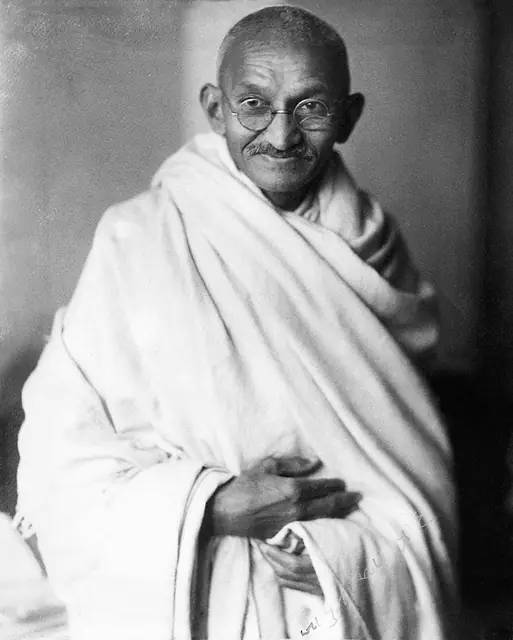
Mahatma Gandhi
Mohandas Karamchand Gandhi of Porbandar shaped satyagraha in South Africa and led the Congress through Non-Cooperation, the Salt March and Quit India. He was shot dead at Birla House, Delhi, on 30 January 1948.
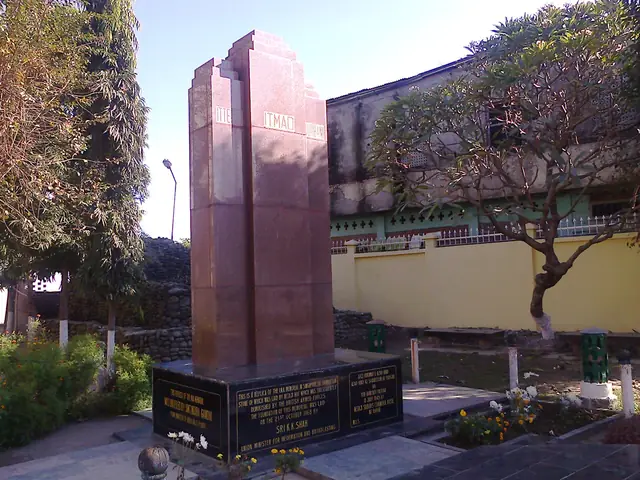
INA at Imphal and Kohima
Under Netaji’s call ‘Chalo Dilli’, the Azad Hind Fauj crossed into India alongside the Japanese in 1944 and raised the tricolour at Moirang, before the offensive broke at Imphal and Kohima.