
Ashoka’s own Rock Edict XIII records his remorse for Kalinga and his turn to dhamma, but the same edict warns the forest peoples that he still has the power to punish, and he kept Kalinga and his army.
The proof
- Rock Edict XIII: 1,50,000 people were carried away from Kalinga, 1,00,000 were killed there, and many times that number died.
- At Dhauli and Jaugada, in Kalinga itself, Rock Edict XIII is left out and two Separate Edicts addressed to the officials there stand in its place.
01Remorse, and a warning
Edict XIII is the most personal line any Indian emperor carved: the Beloved of the Gods feels sorrow for the killing in Kalinga. In the same breath he tells the atavikas, the forest tribes, that he can be stern, so that they should mend their ways and not be killed. He did not return Kalinga. In Kalinga itself he chose not to inscribe the confession and instead told his officers to rule justly. Ashoka was a remorseful emperor, and still an emperor; the slogan of a disbanded army has no basis.
Read on
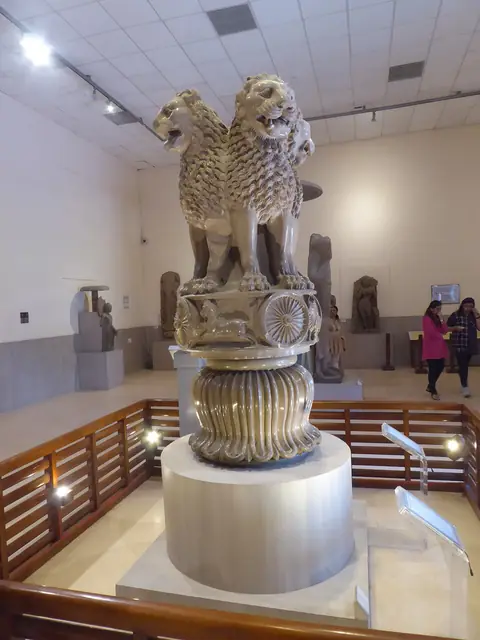
Ashoka
Ashoka conquered Kalinga in the eighth year after his consecration and then, in his own carved words, regretted it. He spent the rest of his reign cutting edicts on rocks and pillars from Kandahar to Karnataka, the oldest deciphered writing of Bharat.
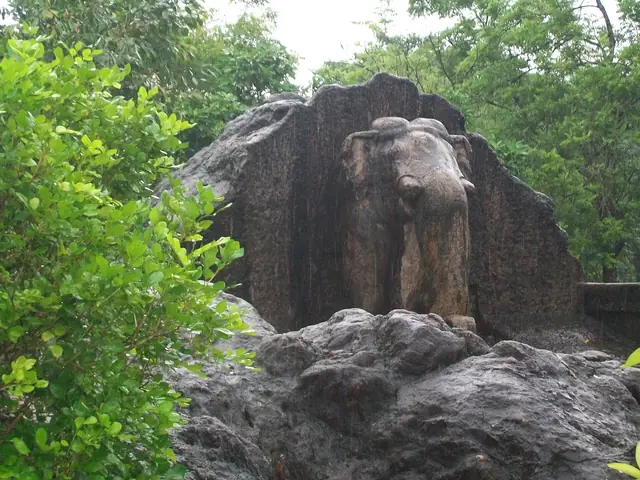
The Kalinga War
Ashoka conquered Kalinga eight years after his abhisheka, at a cost he himself counted in stone. The remorse that followed turned him to Dhamma.
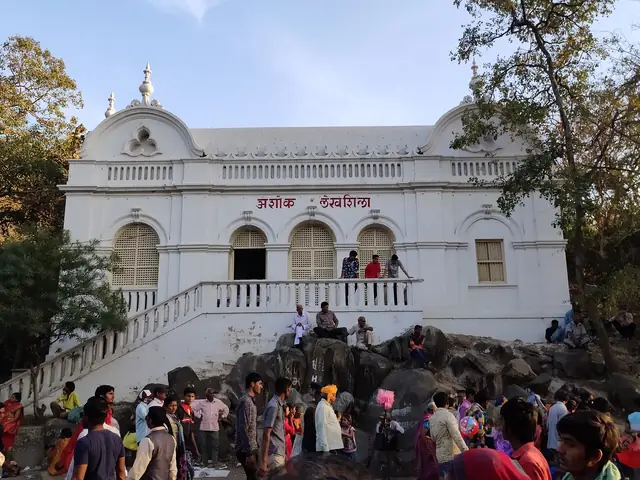
Edicts of Ashoka
Fourteen major rock edicts, minor rock edicts and seven pillar edicts in which the Maurya emperor speaks in his own voice, as Devanampiya Piyadasi.
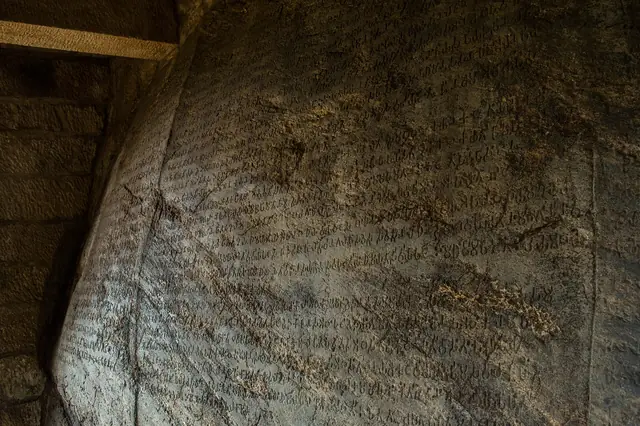
Kalinga edicts at Dhauli and Jaugada
In conquered Kalinga, Ashoka left out the thirteenth rock edict, which mourns the war, and carved two separate edicts addressed to his officers there instead.