
Indian astronomical works treat the Earth as a sphere. Aryabhata in 499 CE described the Earth as a round globe hanging in space and said it turns on its axis, so that the stars only seem to move west.
The proof
- Aryabhatiya, Golapada: as a man in a moving boat sees the still bank moving backward, so the fixed stars seem to move west from Lanka.
- Bhaskaracharya’s Siddhanta Shiromani (1150), Goladhyaya, explains why the round Earth looks flat to a person standing on it.
01Bhugola, the Earth-ball
The Sanskrit word for geography, bhugola, means the Earth-ball. Aryabhata, writing at Kusumapura (Pataliputra), set the Earth as a sphere at the centre of the heavens and computed its size. Varahamihira and Brahmagupta argued with him about rotation, never about roundness. Bhaskaracharya gave the plain reason we do not notice the curve: the Earth is so large and a person so small that one sees only a hundredth part of its circumference. The Puranas describe the Bhu-mandala in their own way, as the cosmos seen for dharma and meditation; the astronomers were measuring eclipses, and they wrote of a ball.
Read on
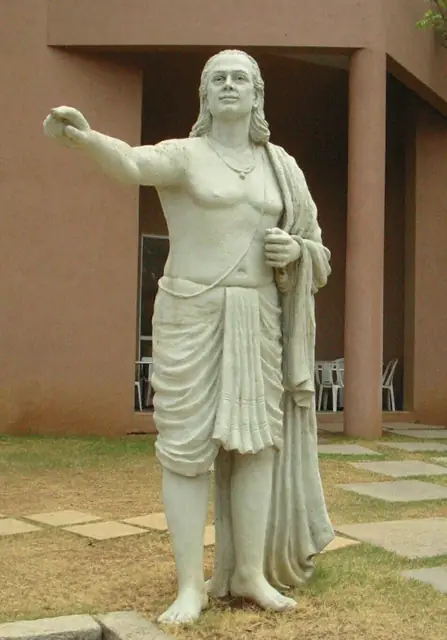
Aryabhata
Aryabhata wrote the Aryabhatiya at Kusumapura (Pataliputra) at the age of 23. In 121 verses he gave π as 3.1416, a table of sines, and the rotation of the Earth on its axis, and he explained eclipses by the shadows of the Earth and Moon.
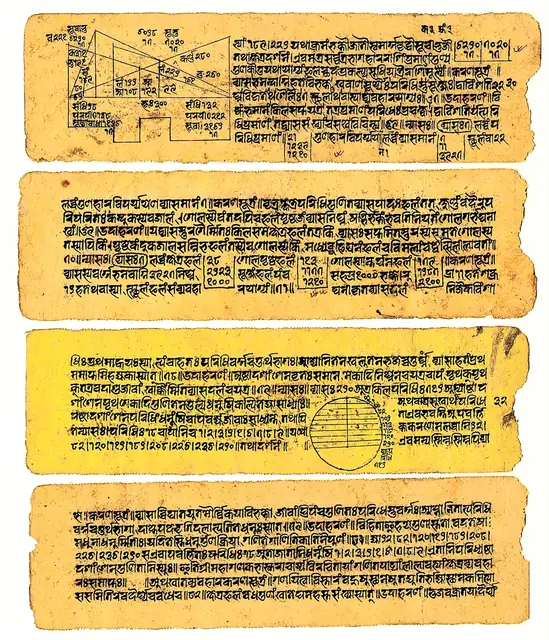
Bhaskaracharya (Bhaskara II)
Bhaskaracharya, son of Maheshvara of Vijjadavida in the Sahyadri, wrote the Siddhanta Shiromani at 36. Its Lilavati taught arithmetic to Indian students for seven hundred years, and its Bijaganita solved equations that European mathematicians took up only in the 17th century.
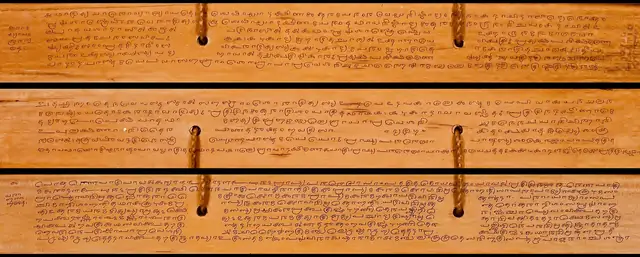
Varahamihira
Varahamihira of Ujjain summarised five earlier astronomical systems in the Pancha Siddhantika and gathered the knowledge of his age, from rainfall to temple building to gems, in the Brihat Samhita. He is counted among the nine gems of Vikramaditya’s court.
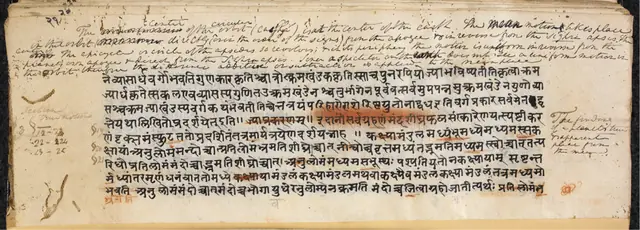
Brahmagupta
Brahmagupta of Bhillamala (Bhinmal) wrote the Brahmasphutasiddhanta in 628 CE, at thirty. It is the first text to treat zero as a number with its own rules of addition, subtraction and multiplication, and to give rules for negative numbers.