
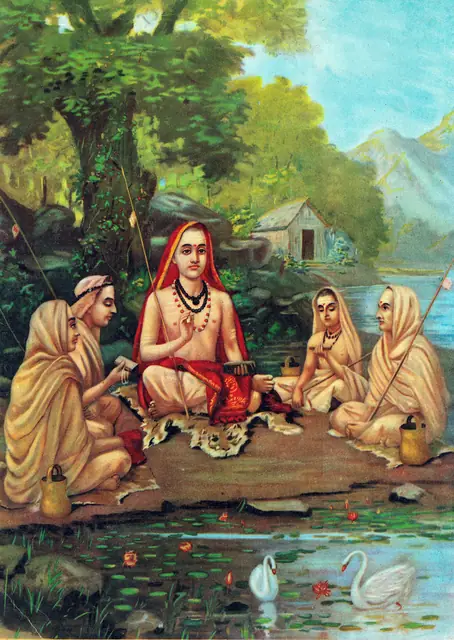
रत्नैः कल्पितमासनं हिमजलैः स्नानं च दिव्याम्बरं
नानारत्नविभूषितं मृगमदामोदाङ्कितं चन्दनम् ।
जातीचम्पकबिल्वपत्ररचितं पुष्पं च धूपं तथा
दीपं देव दयानिधे पशुपते हृत्कल्पितं गृह्यताम् ॥ १ ॥
सौवर्णे नवरत्नखण्डरचिते पात्रे घृतं पायसं
भक्ष्यं पञ्चविधं पयोदधियुतं रम्भाफलं पानकम् ।
शाकानामयुतं जलं रुचिकरं कर्पूरखण्डोज्ज्वलं
ताम्बूलं मनसा मया विरचितं भक्त्या प्रभो स्वीकुरु ॥ २ ॥
छत्रं चामरयोर्युगं व्यजनकं चादर्शकं निर्मलं
वीणाभेरिमृदङ्गकाहलकला गीतं च नृत्यं तथा ।
साष्टाङ्गं प्रणतिः स्तुतिर्बहुविधा ह्येतत्समस्तं मया
सङ्कल्पेन समर्पितं तव विभो पूजां गृहाण प्रभो ॥ ३ ॥
आत्मा त्वं गिरिजा मतिः सहचराः प्राणाः शरीरं गृहं
पूजा ते विषयोपभोगरचना निद्रा समाधिस्थितिः ।
सञ्चारः पदयोः प्रदक्षिणविधिः स्तोत्राणि सर्वा गिरो
यद्यत्कर्म करोमि तत्तदखिलं शम्भो तवाराधनम् ॥ ४ ॥
करचरणकृतं वाक्कायजं कर्मजं वा
श्रवणनयनजं वा मानसं वापराधम् ।
विहितमविहितं वा सर्वमेतत्क्षमस्व
जय जय करुणाब्धे श्रीमहादेव शम्भो ॥ ५ ॥
ratnaiḥ kalpitamāsanaṃ himajalaiḥ snānaṃ ca divyāmbaraṃ
nānāratnavibhūṣitaṃ mṛgamadāmodāṅkitaṃ candanam
jātīcampakabilvapatraracitaṃ puṣpaṃ ca dhūpaṃ tathā
dīpaṃ deva dayānidhe paśupate hṛtkalpitaṃ gṛhyatām ‖ 1 ‖
sauvarṇe navaratnakhaṇḍaracite pātre ghṛtaṃ pāyasaṃ
bhakṣyaṃ pañcavidhaṃ payodadhiyutaṃ rambhāphalaṃ pānakam
śākānāmayutaṃ jalaṃ rucikaraṃ karpūrakhaṇḍojjvalaṃ
tāmbūlaṃ manasā mayā viracitaṃ bhaktyā prabho svīkuru ‖ 2 ‖
chatraṃ cāmarayoryugaṃ vyajanakaṃ cādarśakaṃ nirmalaṃ
vīṇābherimṛdaṅgakāhalakalā gītaṃ ca nṛtyaṃ tathā
sāṣṭāṅgaṃ praṇatiḥ stutirbahuvidhā hyetatsamastaṃ mayā
saṅkalpena samarpitaṃ tava vibho pūjāṃ gṛhāṇa prabho ‖ 3 ‖
ātmā tvaṃ girijā matiḥ sahacarāḥ prāṇāḥ śarīraṃ gṛhaṃ
pūjā te viṣayopabhogaracanā nidrā samādhisthitiḥ
sañcāraḥ padayoḥ pradakṣiṇavidhiḥ stotrāṇi sarvā giro
yadyatkarma karomi tattadakhilaṃ śambho tavārādhanam ‖ 4 ‖
karacaraṇakṛtaṃ vākkāyajaṃ karmajaṃ vā
śravaṇanayanajaṃ vā mānasaṃ vāparādham
vihitamavihitaṃ vā sarvametatkṣamasva
jaya jaya karuṇābdhe śrīmahādeva śambho ‖ 5 ‖
Meaning
1. O Deva, ocean of compassion, Pashupati: a seat made of jewels, a bath in water cool as snow, divine clothing set with many gems, sandal paste scented with musk, flowers of jasmine and champaka with bilva leaves, incense and a lamp, all made ready in my heart, please accept them.
2. In a golden vessel set with pieces of the nine gems I offer ghee and payasam, five kinds of food, milk and curd, bananas, a sweet drink, countless vegetables, pleasant water, and tambula bright with bits of camphor. All this I have prepared in my mind with devotion, Lord; please accept it.
3. A parasol, a pair of chamaras, a fan and a spotless mirror; the music of veena, bheri, mridanga and kahala, song and dance; prostration with all eight limbs and praise of many kinds: all this I offer you by my resolve alone, all-pervading Lord. Accept my worship.
4. You are my Self; Girija is my understanding; my pranas are your attendants; my body is your temple. My enjoyment of the senses is your puja; my sleep is the state of samadhi. My walking about is pradakshina around you; all my words are your hymns. Whatever action I do, Shambhu, all of it is your worship.
5. Whatever wrong I have done with hands or feet, with speech or body, through action, through ears or eyes, or in the mind, whether in what was enjoined or what was not, forgive it all. Victory, victory to you, ocean of compassion, Shri Mahadeva, Shambhu.
About this bhajan
A full shodashopachara puja, the sixteen offerings of temple worship, done without lifting a single flower. The first three verses build it piece by piece in the mind: the jewelled seat, the bath in snow water, the golden plate of payasam, the parasol and the music. Then the fourth verse turns everything inside out. The body is the temple, sleep is samadhi, every step is pradakshina, every word a stotra. The closing verse, "karacaraṇakṛtaṃ", is the kshamapana that many households say at the end of any puja, Shaiva or not. The metre of the first four verses is shardulavikridita, the leaping tiger, long and stately.
Adi Shankaracharya, Shiva Manasa Puja, vv. 1–4 and the kshamapana verse (5): sa.wikisource "शिवमानसपूजा"; that page also prints a phala verse whose text is corrupt and is not given here; v. 5 line 3 follows the common reading "vihitamavihitaṃ" (page: "viditamaviditaṃ")