
The English word Hinduism is colonial, and British census and courts did fix some rigid categories. But Hindus named themselves Hindu centuries earlier, Vijayanagara kings took the title Hindu-raya-suratrana from the 1350s, and foreign observers such as Al-Biruni around 1030 already described the Hindus’ faith as one body of belief.
The proof
- Vijayanagara inscriptions from about 1352 give Bukka I the title Hindu-raya-suratrana, sultan among Hindu kings.
- Al-Biruni’s Kitab al-Hind (c. 1030) describes the beliefs of the Hindus, their Vedas, Puranas and the Gita, as one religious world.
- David Lorenzen, "Who Invented Hinduism?", Comparative Studies in Society and History (1999), traced a shared Hindu identity in texts from 1200 to 1800.
01The claim
The argument says that before the British there were only many separate sects, castes and local cults, Shaiva here, Vaishnava there, village goddesses everywhere, with nothing to bind them. Colonial officials, missionaries and census takers lumped them together, it says, called the result Hinduism, and Indians then came to believe in a religion that had been made up for them.
02What is true in it
Some of this is real. The English word Hinduism appears only around 1800. From 1871 the census forced every Indian into one box per religion and ranked castes, and British courts built a rigid Hindu law from selected Sanskrit texts and pandits’ opinions. Sanatana Dharma was always many sampradayas, and it never had one church or one founder. A historian may fairly say that the British changed how Hindus were counted and governed.
03What the record shows
Hindus did not need the British to know who they were. Al-Biruni in 1030 wrote a whole book on the Hindus’ beliefs, gods, scriptures and festivals as a single subject. The Vijayanagara kings called themselves sultans among Hindu kings. Vidyapati in Mithila wrote of Hindu and Turk as two peoples. Shivaji’s state spoke of Hindavi Swarajya. And long before any of them, Adi Shankaracharya travelled the length of Bharat debating every school and set up mathas at its four corners; pilgrims from Kashmir to Kanyakumari shared the Vedas, the Itihasas, the Puranas and the same great tirthas.
04What to read
Read Al-Biruni’s India in Edward Sachau’s translation (1888) to see how an outsider described Hindu belief nine centuries ago. David Lorenzen’s essay "Who Invented Hinduism?" (1999) is the clearest reply to the invention thesis. Frykenberg’s essay in Hinduism Reconsidered (1989) gives that thesis in its own words. For the faith from inside, there is no substitute for the Gita, the Upanishads and the lives of the acharyas.
Read on
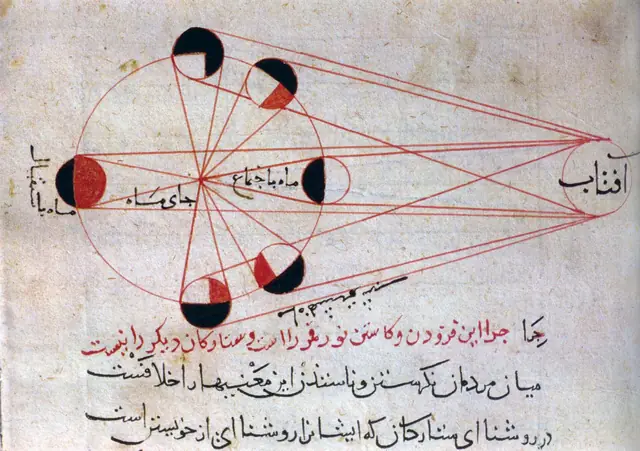
Kitab al-Hind of Al-Biruni
A study of Hindu learning by a foreign scholar: philosophy, the Gita, Patanjali, astronomy, the calendar, the Puranas, weights and measures and customs.
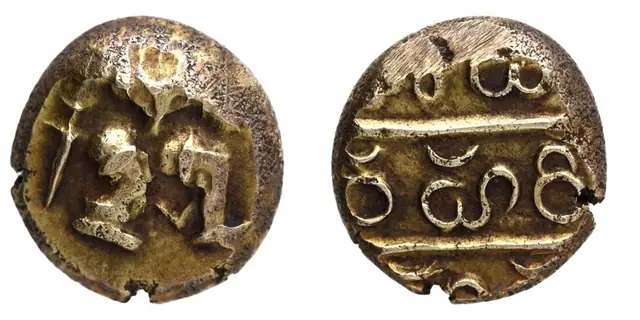
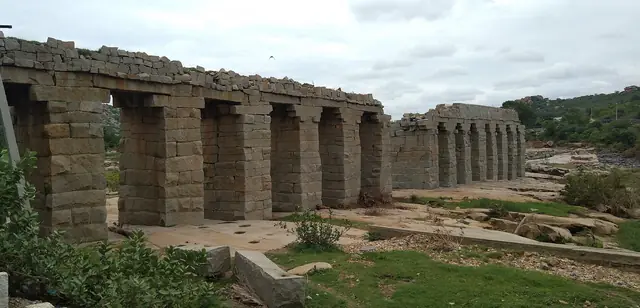
Vijayanagara Empire (Sangama, Saluva, Tuluva, Aravidu)
Founded in 1336 on the Tungabhadra by the brothers Harihara and Bukka, Vijayanagara held the south for Sanatan Dharma for more than two centuries. Four dynasties ruled it; its city at Hampi was among the largest in the world before its fall in 1565.
Bukka Raya I
Harihara’s brother and successor, Bukka Raya I ended the Madurai Sultanate through his son Kumara Kampana, saw the Ranganatha murti brought back to Srirangam, and held the line against the Bahmanis.
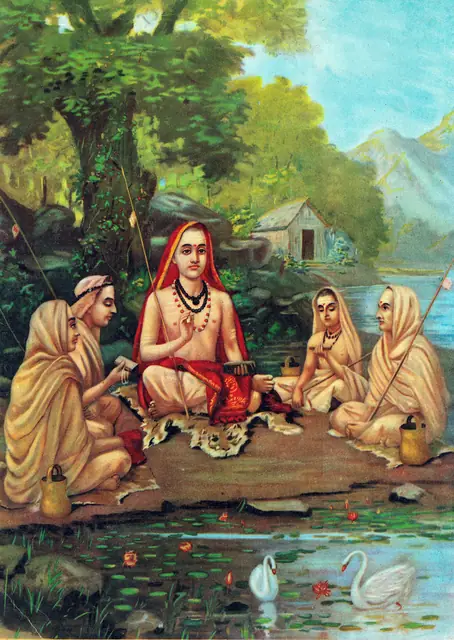
Adi Shankaracharya
Born at Kalady on the Purna (Periyar) river in Kerala, Shankara wrote the classic commentaries on the Upanishads, the Brahma Sutras and the Gita, and set up four mathas at the four corners of Bharat. He lived thirty-two years.
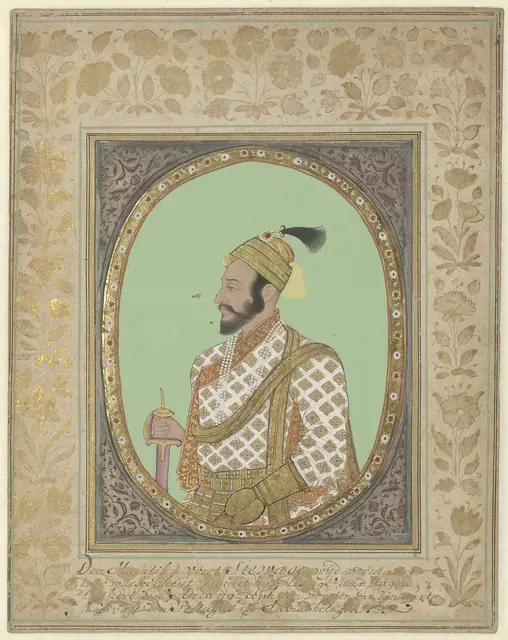
Chhatrapati Shivaji Maharaj
Born at Shivneri on 19 February 1630, Shivaji built a free Maratha state from a handful of hill forts around Pune, outfought Bijapur and the Mughals, escaped from Aurangzeb’s court, and was crowned Chhatrapati at Raigad on 6 June 1674.