
The Sushruta Samhita describes rebuilding a nose with a flap of living skin, and British surgeons learned the forehead-flap method from Indian practitioners: it was reported from Pune in 1794 and first performed in England by Joseph Carpue in 1814.
The proof
- Sushruta Samhita, Sutrasthana 16, gives the method of repairing a cut nose with a skin flap from the cheek.
- The Gentleman’s Magazine of October 1794 printed a letter, signed B. L., describing the operation done near Pune on Cowasjee, a bullock-driver whose nose had been cut off.
- Joseph Carpue published his account of two successful operations in London in 1816, crediting the Indian method.
01The potter-surgeons of Pune
Cowasjee drove bullocks for the British army in the Mysore war of 1792 and was captured by Tipu Sultan’s men, who cut off his nose and a hand. Near Pune, a practitioner of the kumhar (potter) caste rebuilt the nose with a flap turned down from the forehead, while British officers watched. The letter in London, with an engraving of the healed face, set European surgeons to work. The art had survived for centuries in Indian families, outside the courts and the colleges.
Read on
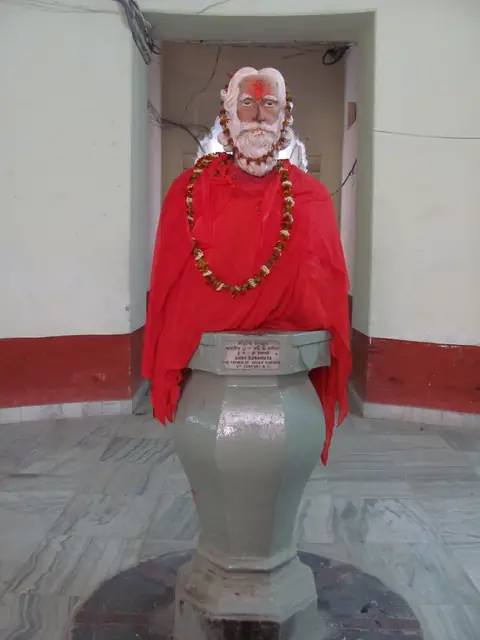
Acharya Sushruta
Sushruta learned surgery at Kashi from Divodasa Dhanvantari and set it down in the Sushruta Samhita. The work describes rebuilding a nose with a flap of living skin, couching of cataract, and over a hundred surgical instruments.
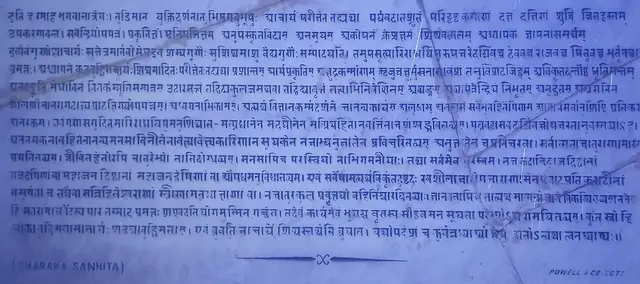
Acharya Charaka
Charaka revised the older Agnivesha Tantra into the Charaka Samhita, the foundation text of kaya-chikitsa, Ayurvedic internal medicine. Physicians in India still take its oath and follow its method of examining a patient.