
The eight Swayam Vyakta Kshetras
Sri Vaishnava tradition names eight places where Shri Vishnu manifested of his own accord, swayam vyakta, without being installed by human hands.
Six are in Bharat’s temples, Srirangam, Srimushnam, Tirumala, Vanamamalai (Nanguneri), Badrinath and Pushkar; one is a forest, Naimisharanya, where the rishis heard the Puranas; and one is the river Gandaki at Saligrama (Muktinath), whose ammonite stones are worshipped as Vishnu himself. Most are also Divya Desams.
Temples in this circuit
 Standing
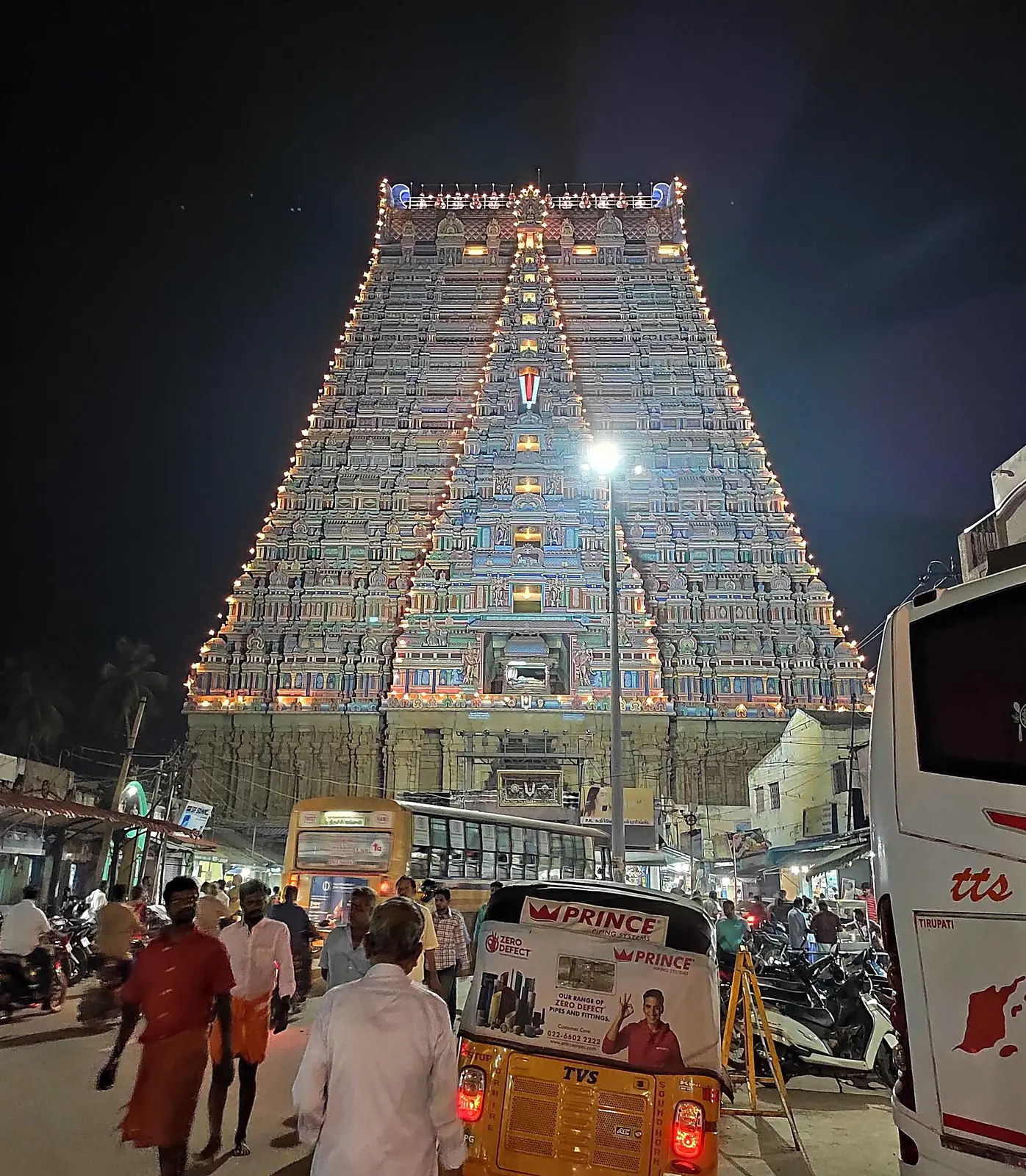
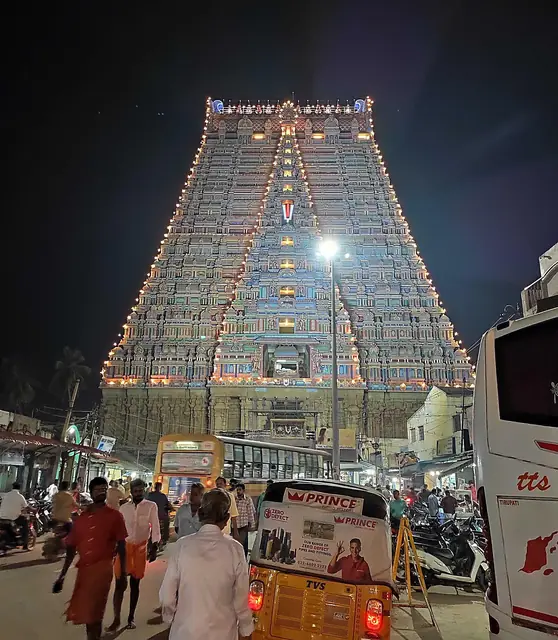
Sri Ranganathaswamy Temple, Srirangam
The first of the 108 Divya Desams, on an island between the Kaveri and Kollidam, with seven concentric walls and 21 gopurams. Ramanujacharya lived and taught here.
 Standing
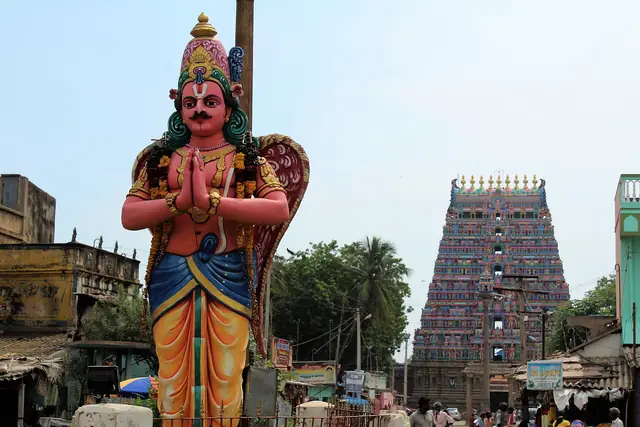
Bhuvaraha Swamy Temple, Srimushnam
One of the eight Swayam Vyakta kshetras of Vishnu, where Bhagwan as the Varaha who lifted the Earth from the ocean is held to have appeared of himself.
 Standing
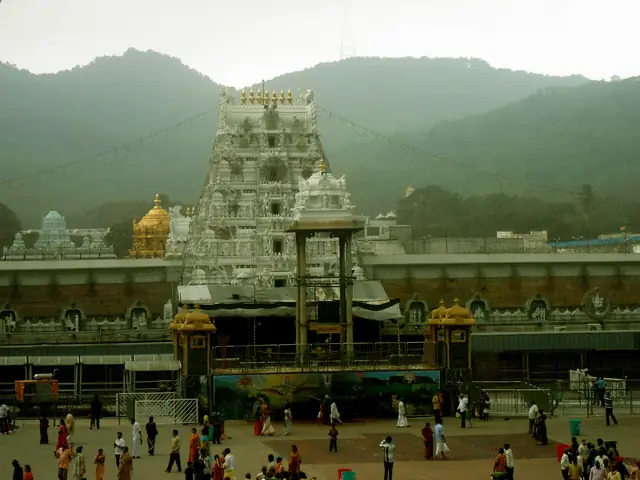
Sri Venkateswara Temple, Tirumala
The hill shrine of Venkateswara on the seventh of the Seshachalam hills, where Bhagwan stands in this Kali Yuga to grant refuge. More pilgrims climb to it than to almost any shrine on earth.
 Standing
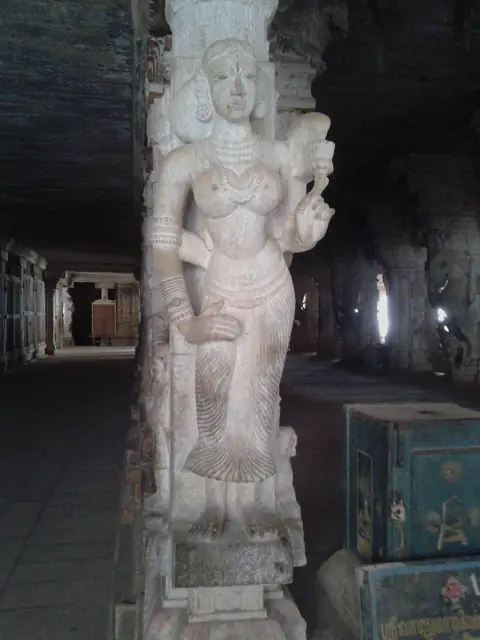
Vanamamalai Perumal Temple, Nanguneri (Totadri)
A Swayam Vyakta kshetra and Divya Desam sung by Nammalvar, where the Lord is bathed in oil every day and the oil is kept in a well and given out as medicine; seat of the Vanamamalai Mutt.
 Standing
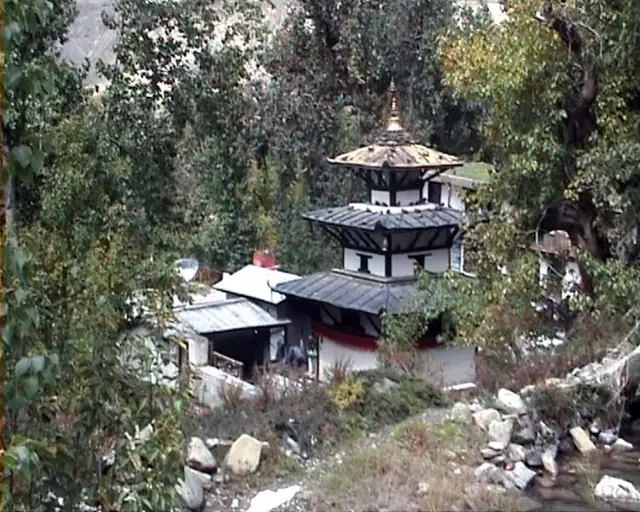
Muktinath
A Vishnu tirtha at 3,710 metres below the Thorong La pass, one of the 108 Divya Desams and sacred to Buddhists as well.
 Standing
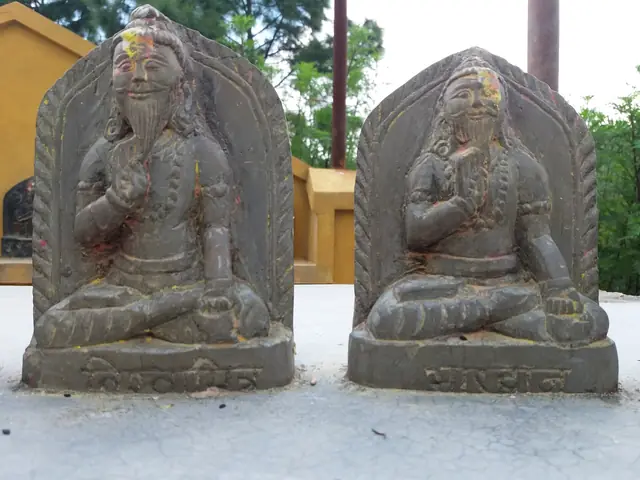
Naimisharanya
The forest on the Gomti where Suta told the Puranas and the Mahabharata to Shaunaka and the assembled rishis. Without Naimisharanya, the Puranas say, there would be no Puranas to read.
 Rebuilt
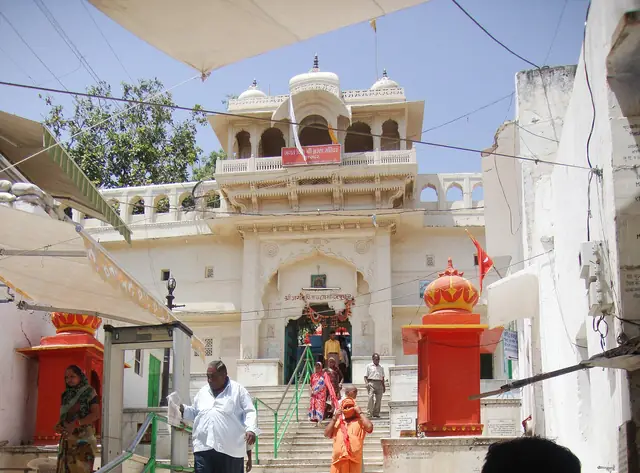
Brahma Temple, Pushkar
The best-known temple of Bhagwan Brahma, beside the lake the Padma Purana says formed where his lotus fell. Pushkar is called Tirtharaja, the king of tirthas.
 Standing
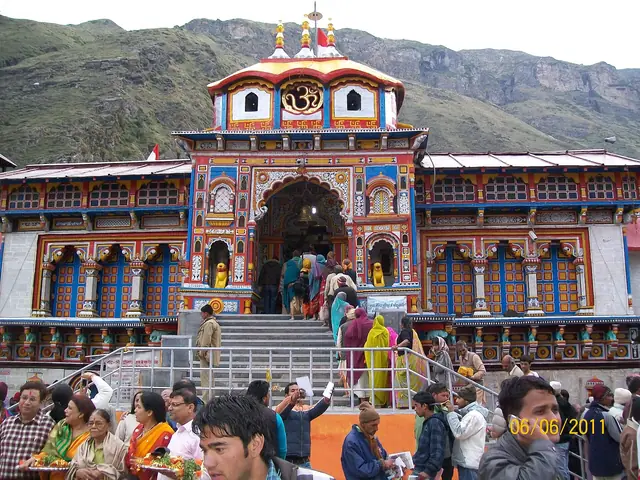
Badrinath
The northern dham of the Char Dham, on the Alaknanda between the Nar and Narayan ranges, where Bhagwan Narayan sits in tapas. Adi Shankaracharya is said to have recovered the murti from the river and set it back in worship.