
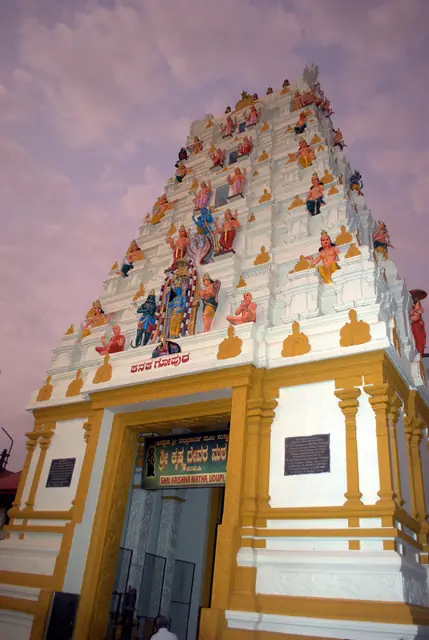
ನೀ ಮಾಯೆಯೊಳಗೋ ನಿನ್ನೊಳು ಮಾಯೆಯೋ
ನೀ ದೇಹದೊಳಗೋ ನಿನ್ನೊಳು ದೇಹವೋ ಹರಿಯೇ
ಬಯಲೊಳಗೆ ಆಲಯವೋ ಆಲಯದಿ ಬಯಲೋ
ಬಯಲು ಆಲಯವೆರಡು ನಯನದೊಳಗೊ
ನಯನ ಬುದ್ಧಿಯ ಒಳಗೋ ಬುದ್ಧಿ ನಯನದ ಒಳಗೋ
ನಯನ ಬುದ್ಧಿಗಳೆರಡು ನಿನ್ನೊಳಗೊ ಹರಿಯೇ
ಸವಿಯು ಸಕ್ಕರೆಯೊಳಗೋ ಸಕ್ಕರೆಯು ಸವಿಯೊಳಗೋ
ಸವಿಯು ಸಕ್ಕರೆಗಳೆರಡು ಜಿಹ್ವೆಯೊಳಗೋ
ಜಿಹ್ವೆ ಮನಸಿನ ಒಳಗೋ ಮನಸು ಜಿಹ್ವೆಯ ಒಳಗೋ
ಜಿಹ್ವೆ ಮನಸುಗಳೆರಡು ನಿನ್ನೊಳಗೊ ಹರಿಯೇ
ಕುಸುಮದಲಿ ಗಂಧವೋ ಗಂಧದಲಿ ಕುಸುಮವೋ
ಕುಸುಮ ಗಂಧಗಳೆರಡು ಆಘ್ರಾಣದೊಳಗೋ
ಅಸಮಭವ ಕಾಗಿನೆಲೆ ಆದಿಕೇಶವರಾಯ
ಉಸುರಲೆನ್ನಳವಲ್ಲ ಎಲ್ಲ ನಿನ್ನೊಳಗೋ ಹರಿಯೇ
नी मायॆयॊळगो निन्नॊळु मायॆयो
नी देहदॊळगो निन्नॊळु देहवो हरिये
बयलॊळगॆ आलयवो आलयदि बयलो
बयलु आलयवॆरडु नयनदॊळगॊ
नयन बुद्धिय ऒळगो बुद्धि नयनद ऒळगो
नयन बुद्धिगळॆरडु निन्नॊळगॊ हरिये
सवियु सक्करॆयॊळगो सक्करॆयु सवियॊळगो
सवियु सक्करॆगळॆरडु जिह्वॆयॊळगो
जिह्वॆ मनसिन ऒळगो मनसु जिह्वॆय ऒळगो
जिह्वॆ मनसुगळॆरडु निन्नॊळगॊ हरिये
कुसुमदलि गंधवो गंधदलि कुसुमवो
कुसुम गंधगळॆरडु आघ्राणदॊळगो
असमभव कागिनॆलॆ आदिकेशवराय
उसुरलॆन्नळवल्ल ऎल्ल निन्नॊळगो हरिये
nī māyeyoḷagō ninnoḷu māyeyō
nī dēhadoḷagō ninnoḷu dēhavō hariyē
bayaloḷage ālayavō ālayadi bayalō
bayalu ālayaveraḍu nayanadoḷago
nayana buddhiya oḷagō buddhi nayanada oḷagō
nayana buddhigaḷeraḍu ninnoḷago hariyē
saviyu sakkareyoḷagō sakkareyu saviyoḷagō
saviyu sakkaregaḷeraḍu jihveyoḷagō
jihve manasina oḷagō manasu jihveya oḷagō
jihve manasugaḷeraḍu ninnoḷago hariyē
kusumadali gandhavō gandhadali kusumavō
kusuma gandhagaḷeraḍu āghrāṇadoḷagō
asamabhava kāginele ādikēśavarāya
usuralennaḷavalla ella ninnoḷagō hariyē
Meaning
Pallavi: Are you within maya, or is maya within you? Are you within the body, or the body within you, Hari?
1. Is the house within open space, or open space within the house? Are space and house both within the eye? Is the eye within the mind, or the mind within the eye? Are eye and mind both within you, Hari?
2. Is sweetness in the sugar, or sugar in the sweetness? Are both on the tongue? Is the tongue in the mind, or the mind in the tongue? Are tongue and mind both within you, Hari?
3. Is fragrance in the flower, or the flower in the fragrance? Are both within the sense of smell? Peerless Adikeshavaraya of Kaginele, it is beyond me to tell it; all of it is within you, Hari.
About this bhajan
Kanaka Dasa asks the same riddle six ways and answers it once, in the last line. House and sky, sugar and sweetness, flower and scent: each pair seems to hold the other, and each pair is held by a sense, the sense by the mind, and the mind by Hari. The boy from Bada who was once a soldier, and later became a disciple of Vyasatirtha, puts the whole of Vedanta into things a child can touch. It is a favourite in satsang for its ending, which lays down the riddle in surrender: ‘I cannot say it. Everything is in you.’
Kannada Wikisource, ‘ನೀ ಮಾಯೆಯೊಳಗೊ’ (Kanaka Dasa); checked against karnatik.com c19956