
Shivaji fought for Swaraj against whoever stood in its way, Hindu chiefs and Mughal-serving Rajputs included, and Muslim officers such as Siddi Hilal and his naval commander Daulat Khan served him.
The proof
- In 1656 he took Javali from Chandrarao More, a Maratha chief allied to Bijapur.
- In 1665 he signed the Treaty of Purandar with Mirza Raja Jai Singh of Amber, Aurangzeb’s general.
- Khafi Khan, a Mughal historian hostile to him, still records that Shivaji ordered his men not to harm mosques, the Quran or women.
01A king, not a faction
Shivaji’s wars were wars of state. Adilshahi Bijapur and the Mughal empire were the great powers he broke free of, and their armies were full of Hindu and Muslim soldiers alike. At Pratapgad in 1659 Afzal Khan’s envoy was the Brahmin Krishnaji Bhaskar. Siddi Hilal led cavalry for Shivaji; Daulat Khan commanded ships. Holding both truths at once is honest: Shivaji was a devout Hindu who founded a Hindu kingdom, and he was just to his Muslim subjects and soldiers. Neither half cancels the other.
Read on
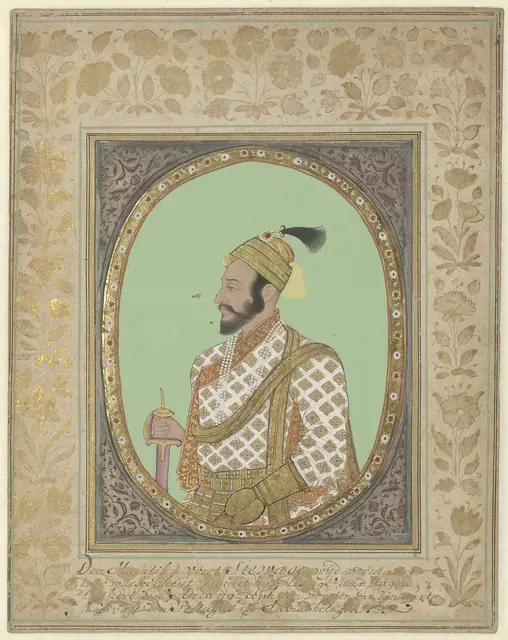
Chhatrapati Shivaji Maharaj
Born at Shivneri on 19 February 1630, Shivaji built a free Maratha state from a handful of hill forts around Pune, outfought Bijapur and the Mughals, escaped from Aurangzeb’s court, and was crowned Chhatrapati at Raigad on 6 June 1674.
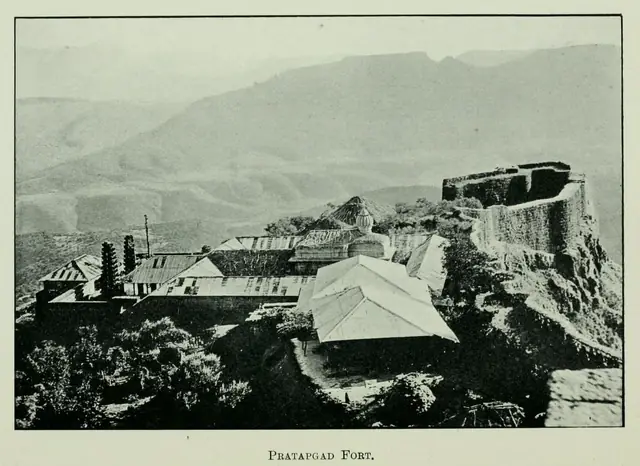
Battle of Pratapgad
Bijapur sent its senior general Afzal Khan to crush Shivaji. Shivaji drew him into the forests of Jaoli and agreed to meet him alone below Pratapgad.

Siege of Purandar
Aurangzeb sent Raja Jai Singh of Amber, his ablest general, against Shivaji. Jai Singh besieged Purandar and ravaged the country around, until Shivaji came to terms.
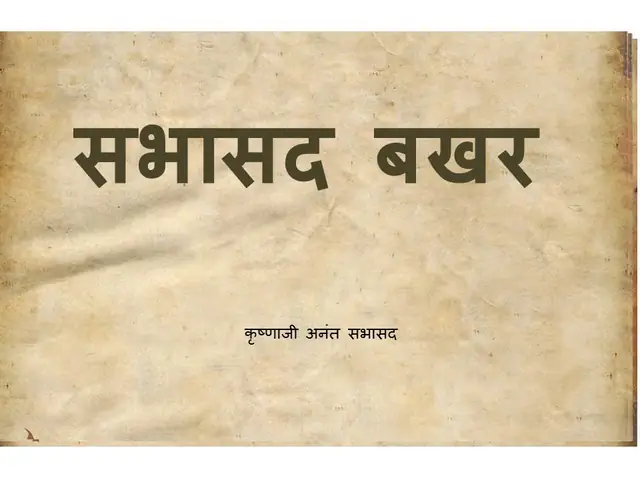
Sabhasad Bakhar
The earliest surviving life of Chhatrapati Shivaji, written by a man who had served him.