
Turkish raids under Muhammad bin Bakhtiyar Khalji around 1200 ruined the great viharas of Bihar and killed many monks, and Nalanda never recovered. But no contemporary source names a library fire lasting months; that detail is a modern addition.
The proof
- Minhaj-i-Siraj’s Tabaqat-i-Nasiri (c. 1260) says Bakhtiyar’s men stormed a fortified vihara in Bihar, killed its shaven-headed residents and found many books no one left alive could read.
- The Tibetan monk Dharmasvamin, who came in 1234–36, found Nalanda damaged and raided, with the old teacher Rahula Shribhadra still teaching about seventy students.
- Taranatha’s history (1608) tells of an earlier fire in Nalanda’s library, Ratnodadhi, set by two hostile mendicants.
01What the sources actually say
Minhaj does not name Nalanda. The vihara he describes is usually identified with Odantapuri at Bihar Sharif, a few hours’ walk away, and the same raiders swept the whole region, Vikramashila included. Dharmasvamin’s eyewitness account is the closest we have for Nalanda itself: half-empty, plundered, soldiers riding in, a handful of monks hiding the last texts. That is grim enough. The burning-for-months line appears in no chronicle and should be dropped, so that the attested loss is not doubted along with it.
Read on
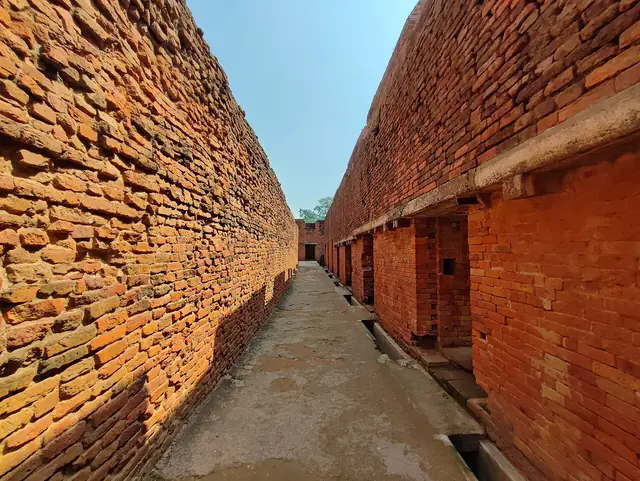
Nalanda Mahavihara
For some seven centuries the greatest seat of learning in Asia, with thousands of monks and teachers, libraries and royal grants from Kanauj to Sumatra. It was ruined in the raids on Bihar around 1200 and its brick courts were dug out from 1915.
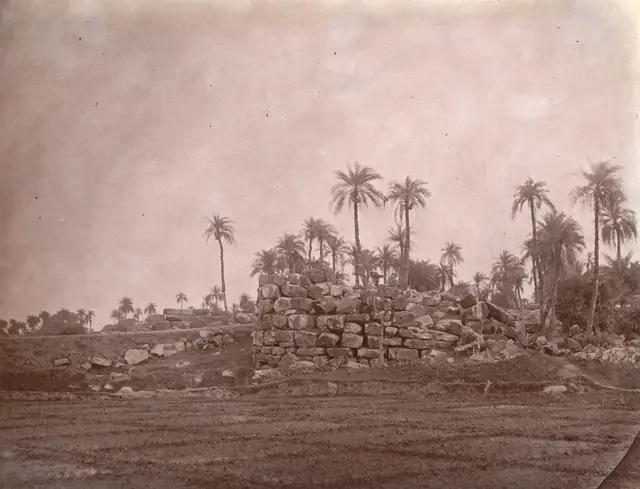
Odantapuri Mahavihara
A Pala-era monastery at what is now Bihar Sharif, whose plan served as the model for Samye, the first monastery of Tibet. It is the vihara most scholars identify in the Tabaqat-i-Nasiri’s account of Bakhtiyar Khalji’s sack of ‘the fort of Bihar’.
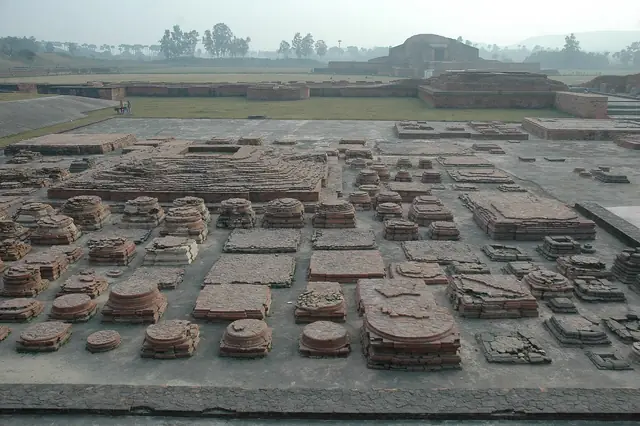
Vikramashila Mahavihara
The Pala kings’ own university on the Ganga at Antichak, near Bhagalpur, founded by Dharmapala. Its most famous teacher, Atisha Dipankara, carried its learning to Tibet; it was destroyed around 1203.
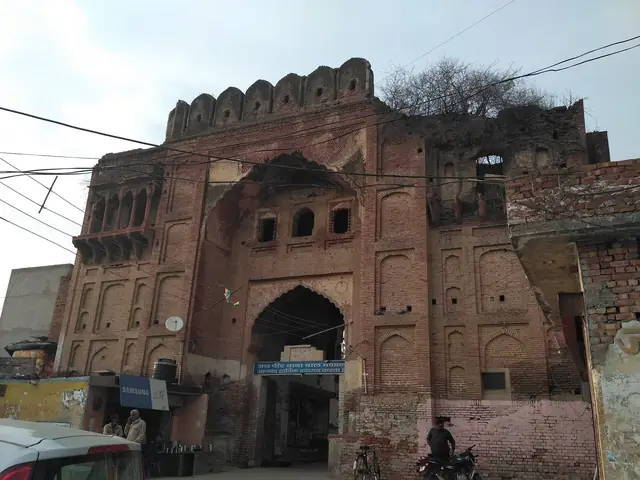
Tabaqat-i-Nasiri of Minhaj-i-Siraj
A general history ending with the Delhi Sultanate, the main source for the Ghurid conquest of north India.