
Ashtavinayaka: the eight Ganeshas
Eight shrines of Shri Ganesh around Pune, each with a svayambhu murti, a self-formed stone in which the face of Ganesh is seen, and each with its own katha from the Ganesha and Mudgala Puranas.
The pilgrimage starts and ends at Morgaon, the Mayureshwar, and the traditional order goes on to Siddhatek, Pali, Mahad, Theur, Lenyadri, Ozar and Ranjangaon. Most of the present buildings were raised or renewed under the Peshwas in the 18th century, who held Ganesh as their family deity, and Lenyadri is a Buddhist-era cave on a hill above the Kukadi valley. Seven are in Pune and Ahmednagar districts and two, Pali and Mahad, in Raigad.
Temples in this circuit
 Standing
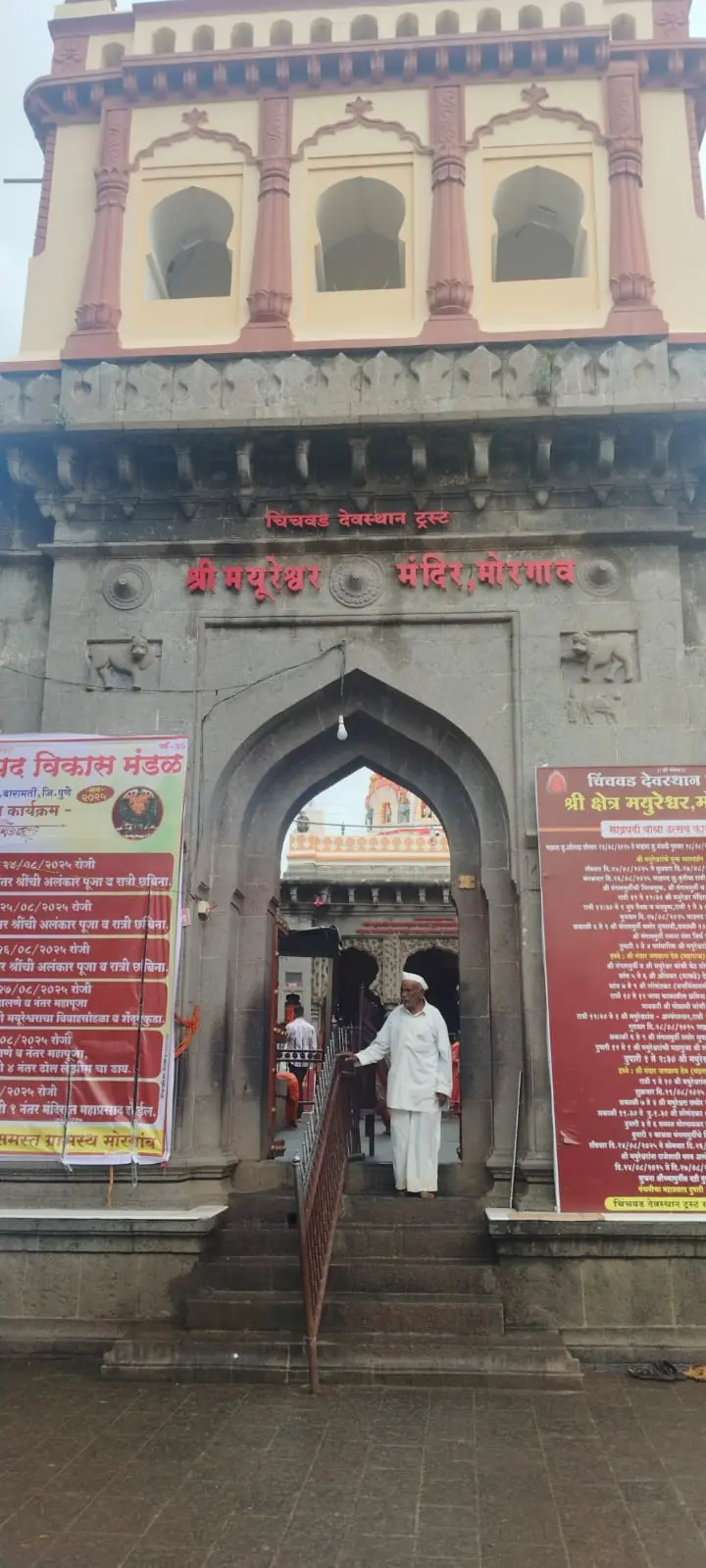
Mayureshwar (Moreshwar) Temple, Morgaon
The first and last stop of the Ashtavinayaka yatra and the chief seat of the Ganapatya tradition. Here, the Ganesha Purana says, Shri Ganesh came as Mayureshwar on a peacock and slew the asura Sindhu.
 Standing
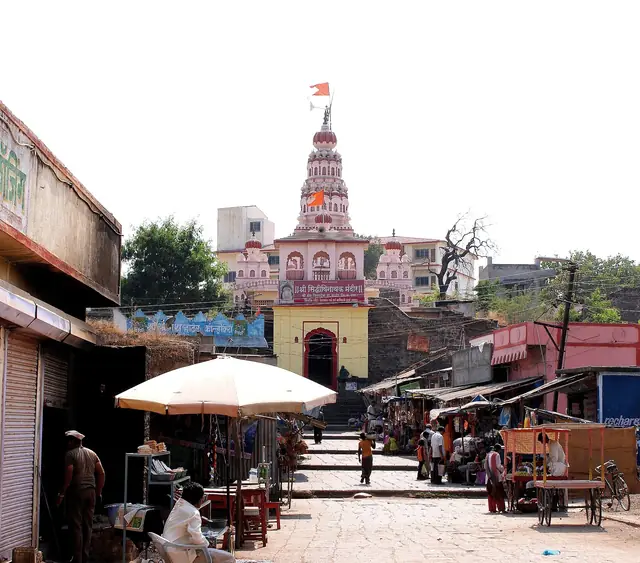
Siddhivinayak Temple, Siddhatek
The one Ashtavinayaka whose Ganesha turns his trunk to the right. Bhagwan Vishnu, says the Mudgala Purana, won his siddhi here before slaying Madhu and Kaitabha.
 Standing
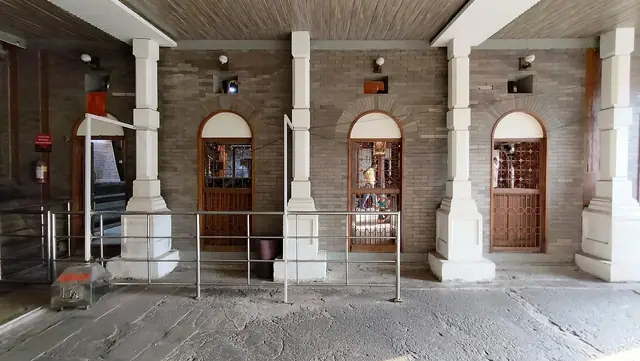
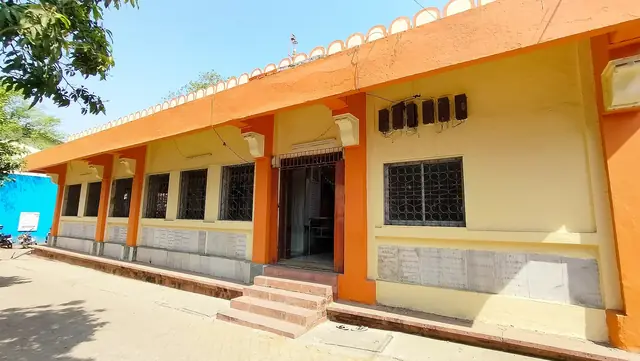
Ballaleshwar Temple, Pali
The only Ashtavinayaka that carries a devotee’s name. Shri Ganesh appeared here to a boy, Ballal, whom his own father had beaten and tied to a tree for worshipping a stone.
 Standing
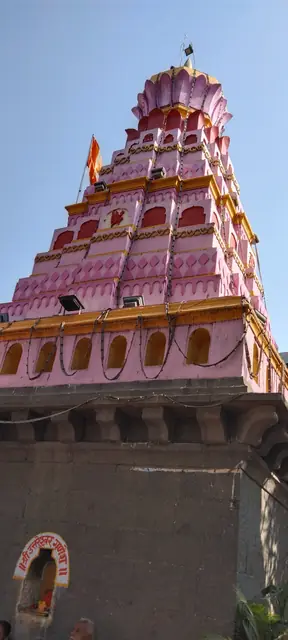
Varadvinayak Temple, Mahad (Khalapur)
The Ashtavinayaka where Rishi Gritsamada did tapas and Ganesha stayed as the giver of boons. Here devotees may enter the sanctum and touch the murti themselves.
 Standing
Theur and the Chintamani Temple
One of the eight Ashtavinayak shrines of Shri Ganesh, near the meeting of the Mula-Mutha and Bhima. Peshwa Madhavrao I loved it above all places and died here on 18 November 1772.
 Standing
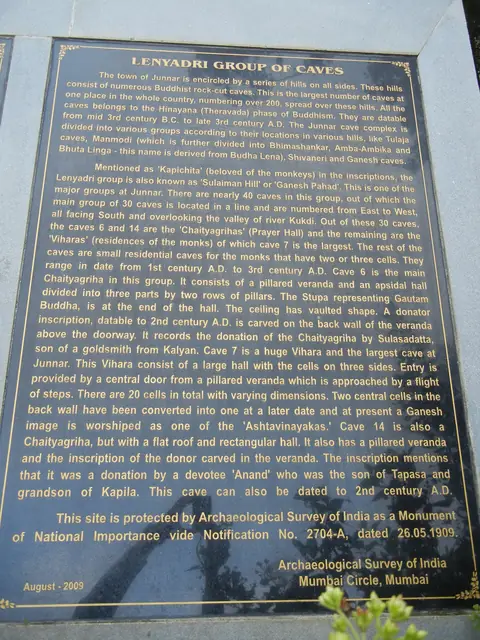
Girijatmaj Temple, Lenyadri
The only Ashtavinayaka on a hill and inside a cave. Mata Parvati, the Ganesha Purana says, did tapas here for twelve years to have Ganesha as her son.
 Standing
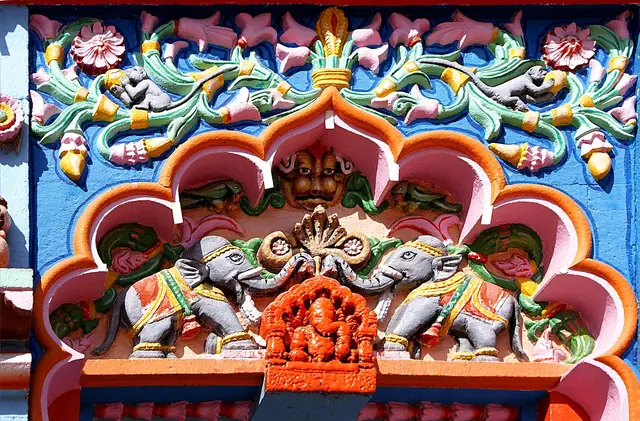
Vighneshwar (Vighnahar) Temple, Ozar
The shrine on the Kukadi where Ganesha subdued Vighnasura, the asura of obstacles, and took the name Vighneshwar. Its shikhara is covered in gold.
 Standing
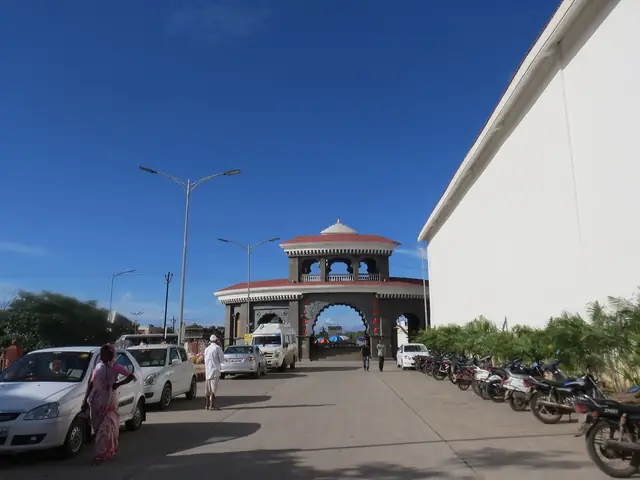
Mahaganapati Temple, Ranjangaon
The Ashtavinayaka where Bhagwan Shiva worshipped Ganesha before he destroyed the three cities of Tripurasura. Ganesha here is Mahaganapati, the most powerful of the eight forms.