
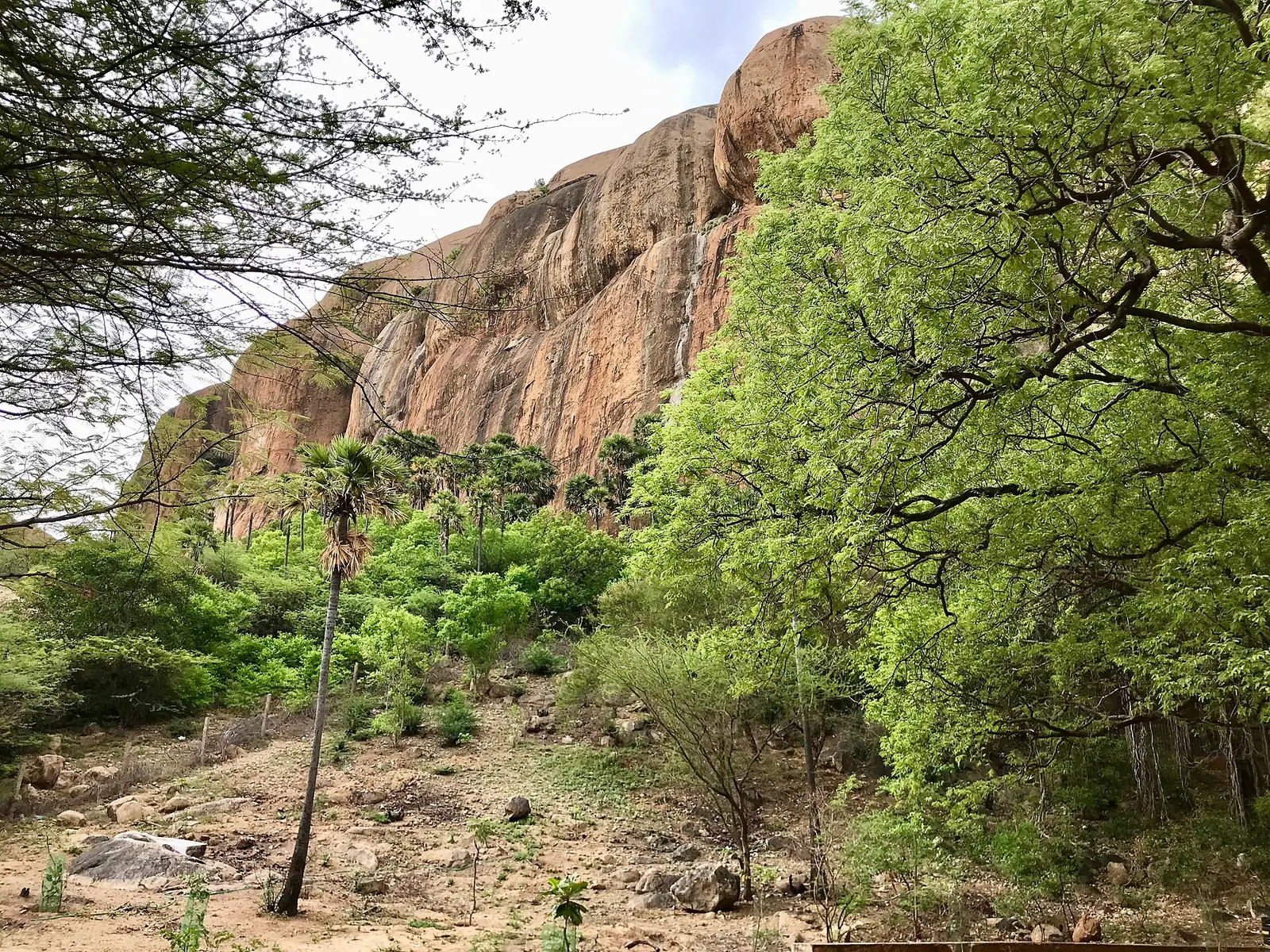
Arupadai Veedu: the six abodes of Murugan
The six battle-camps or abodes of Bhagwan Murugan, Kartikeya, are named in the Tirumurugarruppadai of Nakkirar, a poem of the Sangam corpus, which guides the devotee from one to the next.
Each marks a moment of his life: Thiruparankundram, where he married Devasena; Tiruchendur on the sea, where he defeated Surapadman; Palani, where he stood as the renunciant Dandayudhapani; Swamimalai, where he taught his father the meaning of Om; Tiruttani, where he rested after the war and married Valli; and Pazhamudircholai, in the forest hills above Madurai. All six are in Tamil Nadu, and Thai Poosam and Skanda Shashti draw lakhs to them.
Temples in this circuit
 Standing
Thiruparankundram
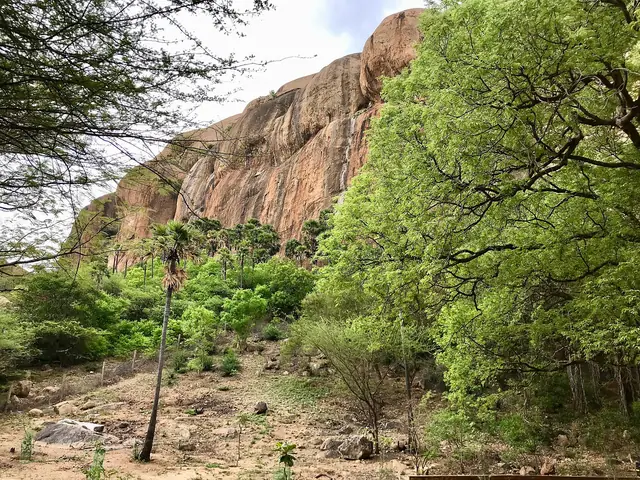
The first of Murugan’s six Padai Veedu, the battle camps, on a granite hill at the edge of Madurai. Here Murugan married Devasena, daughter of Indra, after slaying Surapadman, and the sanctum is cut into the living rock.
 Standing
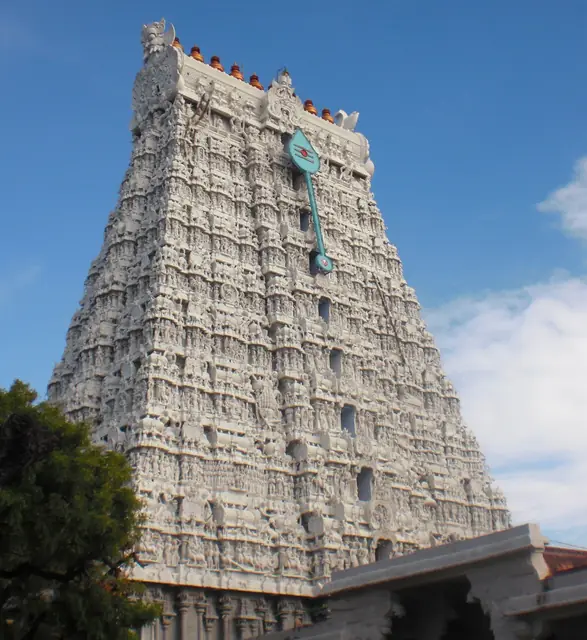
Subramaniya Swamy Temple, Tiruchendur
The second of Murugan’s six abodes and the only one on the seashore. Here, the Kanda Puranam says, Murugan defeated the asura Surapadman, and every Skanda Shashti the battle is enacted on the sand.
 Standing
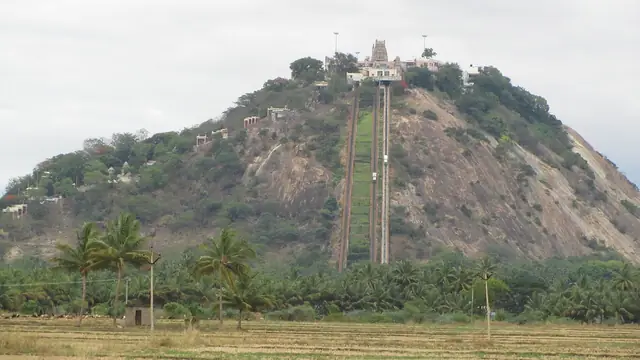
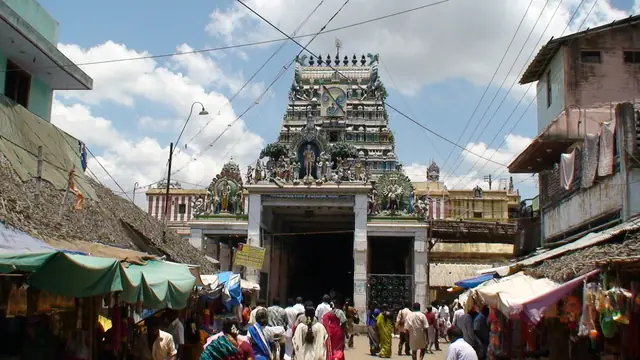
Palani Dandayudhapani Temple
The third of Murugan’s six Arupadai Veedu, on a hill in the Western Ghats foothills. Here the young Murugan stood as a renunciant after losing the fruit of wisdom.
 Standing
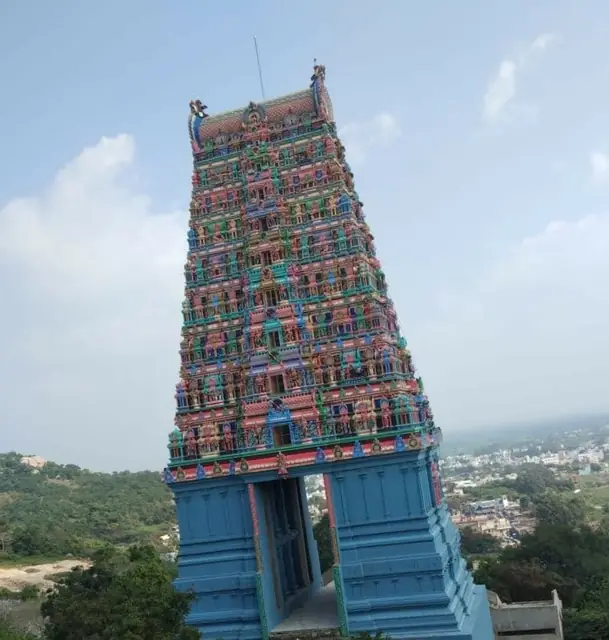
Swaminatha Swamy Temple, Swamimalai
The fourth of Murugan’s six abodes, where the boy Murugan explained the meaning of Om to his father, Bhagwan Shiva. Shiva’s shrine stands below; the son’s shrine stands on top.
 Standing
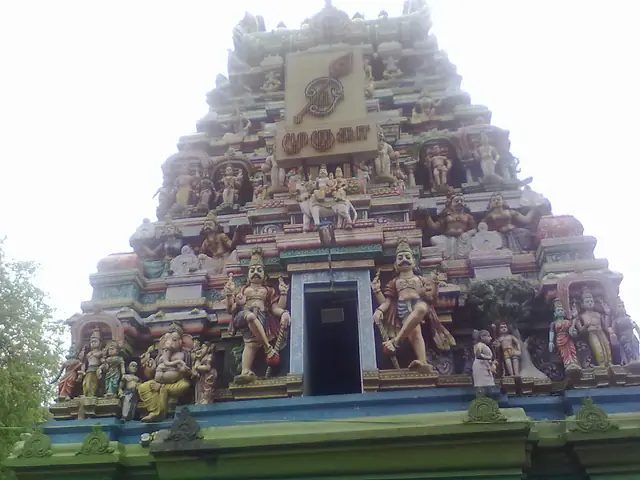
Tiruttani
The hill where Murugan rested, his anger calmed, after the war with Surapadman, and where he wed Valli. One of the six Padai Veedu, it is where Muthuswami Dikshitar sang his first kriti; S. Radhakrishnan was born in the town in 1888.
 Standing
Pazhamudircholai Murugan Temple, Solaimalai
The sixth of Murugan’s abodes, in the forest of the Alagar hills above Madurai. Here, the Tamil tradition says, the boy Murugan tested the poetess Avvaiyar with a question about fruit.